Real Estate
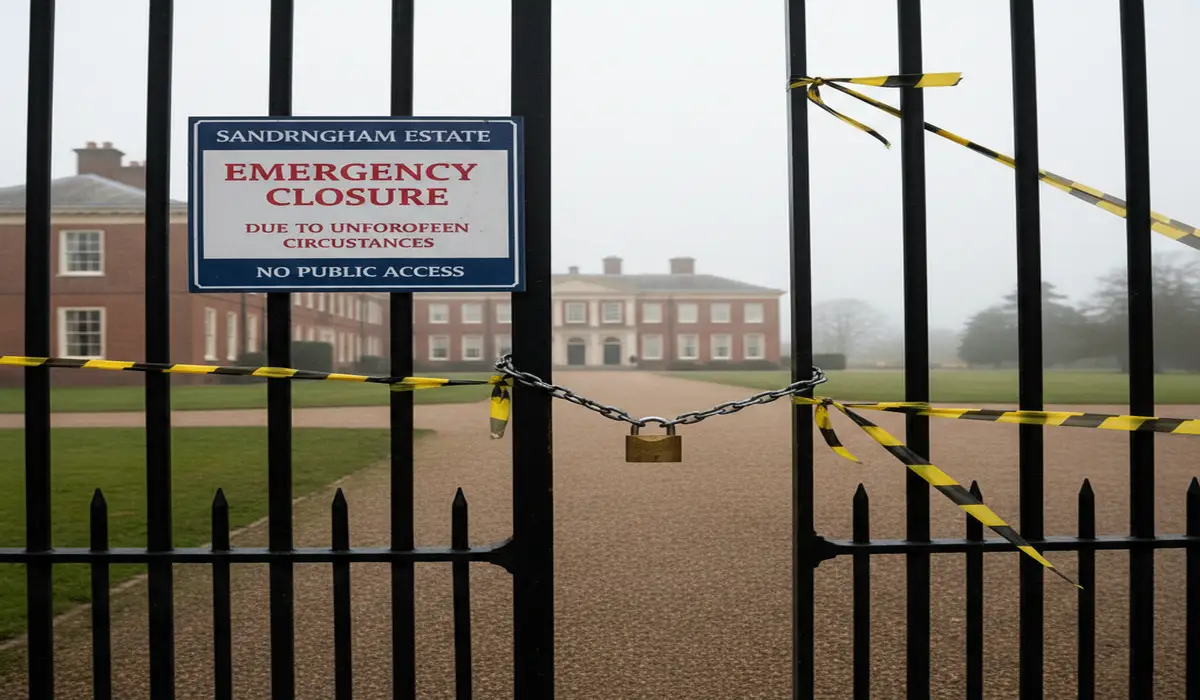
Sandringham Estate Emergency Closure: What It Means, Why It Happened, and What Comes Next

Introduction
The sudden news of the sandringham estate emergency closure sent shockwaves through Norfolk, the tourism industry, and royal enthusiasts around the world. For many, Sandringham is not just a historic location—it is a living symbol of British heritage, royal tradition, and countryside charm. When access to such a landmark is unexpectedly restricted, people naturally want to know why it happened, what it means, and when normal operations might resume.
This article breaks down everything you need to know in simple, clear language. We will explore what sandringham estate emergency closure is, what typically triggers emergency closures, how these situations are managed, what visitors should do next, and how this kind of disruption affects the local economy. Whether you were planning a trip, live nearby, or simply follow royal news, this guide will give you reliable, easy-to-understand answers.
Read More: Blane McGuigan
What Is Sandringham Estate and Why Is It So Important?
Sandringham Estate is one of the most famous private residences belonging to the British royal family. Located in Norfolk, England, it covers more than 20,000 acres and includes Sandringham House, gardens, woodlands, farms, and visitor facilities.
Unlike Buckingham Palace or Windsor Castle, sandringham estate emergency closure is privately owned by the monarch. It has been a cherished retreat for generations of the royal family and is especially known as their traditional Christmas gathering place.
A Blend of Royal Privacy and Public Heritage
What makes Sandringham unique is the balance between privacy and public access. While parts of the estate remain private, large sections—including the house, museum, gardens, and walking trails—are open to visitors for much of the year. This openness has turned Sandringham into:
- A major tourist destination in East England
- A key employer for the local community
- A center for conservation, farming, and heritage preservation
- A popular location for seasonal events and exhibitions
Because of this wide role, any sudden closure creates ripple effects far beyond the estate’s gates.
Understanding the Sandringham Estate Emergency Closure
An emergency closure means the estate was shut down with little or no advance warning. This type of action is rare and only used when safety, security, or legal reasons require immediate steps to protect people or property.
The sandringham estate emergency closure was implemented to ensure public safety first and foremost. While official statements in such situations are often brief, emergency closures generally fall into a few well-known categories.
Common Reasons for Emergency Closures at Historic Estates
While every situation is different, emergency shutdowns at major heritage sites usually happen due to:
- Security concerns – potential threats that require immediate access control
- Structural safety issues – damage to buildings, roofs, or walkways
- Severe weather – storms, flooding, or high winds
- Public safety risks – environmental contamination, fire hazards, or accidents
- Operational failures – power outages, water supply issues, or system malfunctions
In all such cases, precaution takes priority over convenience.
How Emergency Closures Are Managed at Royal Properties
Royal properties follow some of the strictest safety protocols in the UK. When an emergency situation arises, the process is fast, structured, and coordinated across multiple authorities.
Immediate Response Measures
The first steps typically include:
- Closing all public entrances
- Securing staff and visitors inside the grounds
- Alerting emergency services if required
- Isolating affected areas
Visitors already on-site are usually guided off the estate in a calm, controlled manner.
Coordination with National Authorities
Depending on the situation, several agencies may be involved, including:
- Local police forces
- Fire and rescue services
- Structural engineers
- Environmental safety teams
- Royal Household security
This multi-layered response ensures that both public welfare and royal security standards are fully met.
How the Closure Affects Tourists and Planned Visits
The immediate impact of a sudden shutdown is felt most sharply by visitors who had bookings, tickets, or travel arrangements.
What Happens to Existing Bookings?
Visitors impacted by an emergency closure are typically offered:
- Full refunds
- Free rebooking for a later date
- Voucher credits for future visits
Ticket providers and official estate channels usually handle these automatically, though response times may vary during high-demand periods.
Travel and Accommodation Disruptions
Many guests travel long distances to reach Sandringham. As a result, the closure affects:
- Hotel reservations
- Coach tours
- Railway schedules for tour groups
- Local hospitality businesses
Although the estate itself may refund admissions, secondary losses like accommodation are handled by individual providers.
The Local Economic Impact of an Emergency Closure
Sandringham is not just a historical site—it is an economic engine for the region. A sudden shutdown affects dozens of small and medium-sized businesses.
Tourism-Dependent Businesses at Risk
Nearby communities rely on steady visitor traffic for income. These include:
- Cafés and restaurants
- Bed-and-breakfasts
- Gift shops
- Guided tour operators
- Taxi and transport services
When visitor numbers drop suddenly, daily revenue can fall sharply.
Seasonal Workers and Staff Uncertainty
Many estate staff and hospitality workers are employed seasonally. Temporary closures can disrupt work schedules, income stability, and future staffing plans.How Visitors Should Stay Updated During the Closure
Accurate information is critical during an unexpected shutdown. Rumors spread quickly online during high-profile closures, making it essential to rely on trusted sources.
Best Places to Find Official Updates
To avoid misinformation, visitors should regularly check:
- Official Sandringham Estate website
- Verified social media accounts
- Local Norfolk news outlets
- Direct emails from booking providers
These channels typically publish reopening timelines as soon as they are confirmed.
What Not to Trust
Avoid relying on:
- Unverified social media posts
- Private discussion forums
- Clickbait headlines without official sources
False reopening dates can cause unnecessary travel complications.
Safety and Conservation at Historic Estates
Emergency closures often highlight a deeper issue: the immense challenge of preserving historic sites while keeping them open to the public.
Aging Infrastructure and Modern Standards
Sandringham House and its surrounding buildings are centuries old. Even with regular maintenance, aging structures can develop issues that only become visible during detailed inspections.
These may include:
- Structural weakening
- Electrical hazards
- Water damage
- Roof instability
Public safety laws require immediate closure if any such risks are detected
Environmental and Wildlife Considerations
The estate is also a protected natural habitat. Environmental risks such as:
- Flooding
- Soil instability
- Tree collapse
- Wildlife hazards
can sometimes rapidly change safety conditions without warning.
Media Coverage and Public Reaction
Because of its royal connection, any disruption at Sandringham attracts national and international attention.
Why This Closure Made Headlines
The combination of:
- Royal association
- High visitor numbers
- Seasonal tourism importance
ensured that news spread rapidly across media platforms.
Public Sentiment and Social Media Response
The broader reaction has included:
- Concern for safety
- Disappointment from travelers
- Support for staff and local businesses
- Shared memories and photos of past visits
Most responses center on safety first, with hopes for a swift and secure reopening.
When Could Sandringham Reopen?
This is the question everyone wants answered. Unfortunately, emergency closures do not follow fixed timelines.
What Determines the Reopening Date?
Reopening depends on:
- Completion of safety inspections
- Repairs or reinforcements
- Security clearance
- Government or legal approvals
In some cases, partial reopening may happen before full public access is restored.
Why Timelines Are Often Uncertain
Officials avoid setting dates too early because:
- Unexpected complications can be discovered
- Weather may delay repair processes
- Additional inspections may be required
Transparency improves only when all checks are complete.
Frequently Asked Questions (FAQ)
Is the entire estate closed or only certain areas?
Emergency closures usually affect all public sections at first. Later, staff may reopen low-risk outdoor areas before indoor attractions.
Will tickets automatically be refunded?
In most cases, yes. Visitors should monitor their email for official confirmation.
Can events like weddings or tours still take place?
Private and commercial events are generally postponed during emergency shutdowns.
Has this happened at Sandringham before?
Full emergency closures are rare, making the sandringham estate emergency closure especially notable.
What This Means for the Future of Sandringham
Looking ahead, this situation may influence how historic estates operate in the future.
Increased Safety Audits and Preventive Closures
More frequent structural and environmental checks may become standard to prevent sudden shutdowns.
Stronger Digital Communication Systems
Expect faster real-time updates through mobile alerts, apps, and digital ticketing platforms.
More Flexible Booking Policies
Visitors may see wider refund windows and rebooking terms implemented permanently.
Why Public Trust Matters in Times of Closure
The continued success of heritage tourism depends on public confidence.
Transparency Builds Confidence
Clear updates regarding the sandringham estate emergency closure help maintain long-term trust between the estate and the public.
Community Support Strengthens Recovery
Local businesses and returning visitors play a vital role in economic recovery once the gates reopen.
Conclusion
The unexpected sandringham estate emergency closure is a powerful reminder that even the world’s most cherished historic landmarks are not immune to sudden safety concerns. While the initial disruption may be inconvenient and worrying, emergency closures exist to protect life, heritage, and long-term preservation. From strict safety checks to careful coordination with national authorities, every step taken during such a closure reflects a commitment to public welfare.
For visitors, patience and reliance on official updates are essential. For local communities and businesses, resilience and public support will play a crucial role in recovery. When Sandringham eventually reopens, it will do so with renewed safeguards, reinforced trust, and a deeper appreciation of the balance between public access and royal heritage. Until then, awareness and understanding remain the strongest tools we all share.


Voozon: Meaning, Purpose, and Online Relevance

Messeregge: Life, Landscape, and Local Rhythm

Hdmivies5 and the Way People Watch Online

Is Elizabeth Rizzini Still Married? The Truth About Her Relationship Status

EasyJet Flight Diverted After Stag Party Chaos: Inside the Incident That Shocked Passengers

Andrew Frankel: The Private Billionaire Behind the Spotlight
-
Celebrity1 week ago
Is Elizabeth Rizzini Still Married? The Truth About Her Relationship Status
-
Celebrity1 week ago
Andrew Frankel: The Private Billionaire Behind the Spotlight
-
 Celebrity1 week ago
Thomas Gravesen Wife: The Woman Behind Football’s Wildest Legend
-
 Celebrity1 week ago
Inside the Life of Diane abbott son: A Closer Look at Family, Choices, and Public Attention
-

 Blog1 week ago
Faibloh: A Complete Guide to Its Benefits and Uses
-

 Health & Fitness3 days ago
fiebrigen: Meaning, Usage, and Emotional Context
-

 Tech1 week ago
Amethstreams Explained: Meaning, Use, and Online Context
-

 Blog1 week ago
Cevıırı Meaning Explained: Uses, Context, and Real Insight