Introduction
In complex industries where safety, accuracy, and accountability matter, the Chief Technical Examiner plays a vital role. This position combines deep technical knowledge with investigative skills to evaluate systems, processes, and equipment with precision. Whether working in engineering, manufacturing, aviation, or government oversight, a Chief Technical Examiner ensures that technical standards are met and that operations remain reliable and compliant.
Many organizations depend on technical examinations to detect faults, prevent failures, and improve performance. Without proper evaluation, small issues can quickly grow into costly or dangerous problems. This article explores the responsibilities, qualifications, and career opportunities associated with this role, while also explaining why it remains essential in modern technical environments. By the end, readers will have a clear understanding of how this position functions and why it holds such importance across multiple sectors.
| Category | Details |
|---|---|
| Job Title | Chief Technical Examiner |
| Primary Function | Technical evaluation and oversight |
| Typical Industries | Engineering, aviation, manufacturing, government |
| Required Education | Engineering or technical degree |
| Key Skills | Analysis, reporting, leadership |
| Career Level | Senior or supervisory |
Role of a Chief Technical Examiner
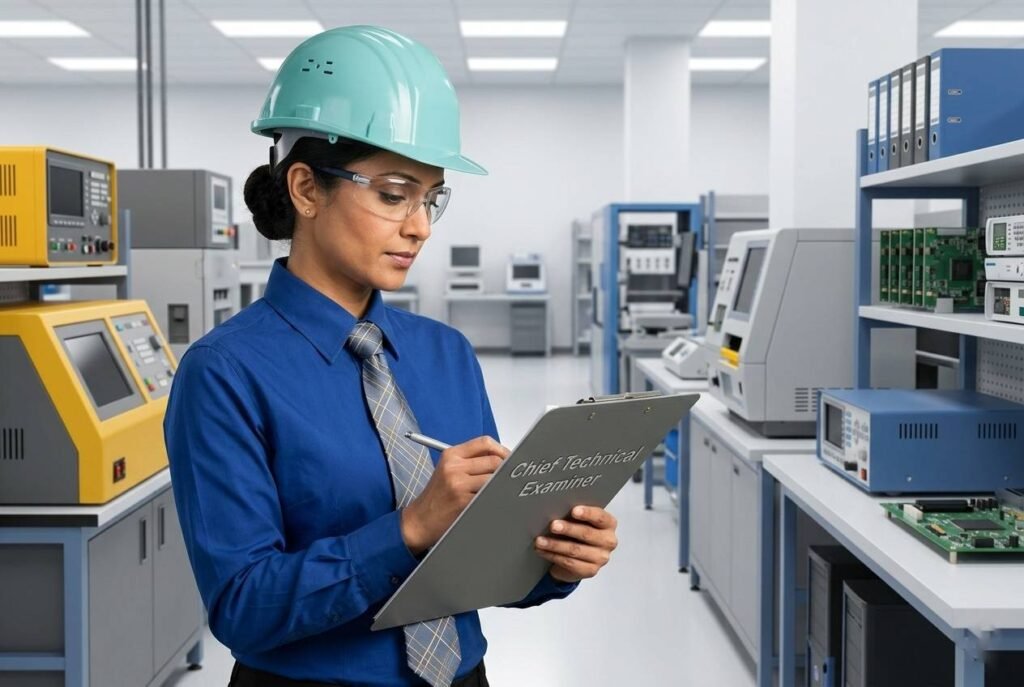
A Chief Technical Examiner is responsible for overseeing technical evaluations within an organization. This often involves inspecting machinery, reviewing technical documentation, and ensuring that all systems meet required standards. The role requires both technical expertise and leadership ability, as examiners often supervise teams of specialists.
In many cases, the examiner acts as the final authority on technical matters. When equipment fails or a process does not meet expectations, the examiner investigates the issue and determines its cause. This requires careful observation and a structured approach to problem-solving.
Beyond investigation, the role also includes prevention. By identifying weaknesses early, examiners help organizations avoid downtime and safety risks. Their recommendations often shape maintenance schedules and operational procedures.
Will You This Check Article: Dentiloquent: Meaning, Origins, and Modern Usage Guide
Technical Oversight and Supervision
Technical oversight is a core responsibility in this position. Examiners must ensure that inspections are conducted properly and that findings are documented accurately. This often involves reviewing reports and verifying results.
Supervision is equally important. Senior examiners typically guide junior staff members and provide training when necessary. This ensures consistency and accuracy across all technical evaluations.
Because technical environments change rapidly, examiners must stay informed about new equipment and standards. Continuous learning is often a requirement in this role.
Investigation and Problem Analysis
One of the most important aspects of the job involves investigating technical problems. When systems fail, organizations rely on examiners to determine what went wrong. This may involve physical inspections, data analysis, or interviews with operators.
For example, if a machine suddenly stops working, the examiner must determine whether the issue resulted from wear, misuse, or design flaws. This process requires both patience and technical insight.
Once the problem is identified, the examiner recommends solutions. These recommendations often influence repair strategies and operational changes.
Key Responsibilities in Daily Operations
Daily tasks vary depending on the industry, but most examiners share a common set of responsibilities. These tasks require attention to detail and a strong understanding of technical systems.
A typical day might include reviewing inspection reports, conducting evaluations, and meeting with engineers. Each activity contributes to maintaining safe and efficient operations.
In some industries, examiners also work closely with regulatory agencies. Their findings may be used to demonstrate compliance with industry standards.
Core Duties
The following responsibilities are common across many technical environments:
- Conducting technical inspections and evaluations
- Reviewing technical documentation and reports
- Supervising technical staff
- Identifying system weaknesses
- Recommending improvements
Each of these duties contributes to maintaining operational integrity. Without proper examination, technical systems can become unreliable over time.
Skills Required for Success
Success in this role depends on a combination of technical knowledge and interpersonal skills. While technical expertise is essential, communication and leadership are equally important.
Examiners often work with engineers, managers, and technicians. Clear communication ensures that recommendations are understood and implemented correctly.
Essential Skills
A successful examiner typically demonstrates the following abilities:
- Strong analytical thinking
- Attention to detail
- Technical expertise
- Leadership ability
- Clear communication
These skills help examiners interpret complex data and translate their findings into practical solutions.
Analytical Thinking in Practice
Analytical thinking is particularly important when investigating technical issues. Examiners must evaluate multiple factors and determine how they interact.
For example, a system failure might involve both mechanical and electrical components. The examiner must consider each possibility before reaching a conclusion.
This process often requires reviewing historical data. Patterns in past failures can provide valuable insights into current problems.
Industries That Employ Technical Examiners
Technical examiners are needed in a wide range of industries. Any field that relies on complex systems can benefit from technical evaluation.
Manufacturing companies use examiners to ensure product quality. Aviation organizations depend on them to maintain safety standards. Government agencies rely on examiners to enforce regulations.
For example, organizations like the Federal Aviation Administration require detailed technical inspections to maintain aircraft safety. Similarly, standards developed by the International Organization for Standardization often guide technical evaluations in manufacturing and engineering.
| Industry | Role of Examiner | Example Tasks |
|---|---|---|
| Aviation | Safety inspections | Checking aircraft systems |
| Manufacturing | Quality control | Evaluating machinery |
| Engineering | System analysis | Reviewing designs |
| Government | Compliance checks | Verifying standards |
| Energy | Equipment testing | Inspecting turbines |
Each industry places unique demands on examiners, but the underlying principles remain the same.
Education and Training Requirements
Most examiners begin their careers in technical fields such as engineering or applied sciences. A strong educational background provides the foundation needed for advanced analysis.
Many positions require at least a bachelor’s degree in a technical discipline. Some organizations prefer candidates with advanced degrees or specialized certifications.
Training does not stop after formal education. Examiners must stay current with new technologies and standards. This often involves attending workshops and completing professional courses.
Certifications and Professional Development
Certifications can enhance credibility and demonstrate expertise. Many industries offer certification programs focused on inspection and evaluation.
Professional development is also important for career advancement. Senior roles often require both experience and additional training.
Learning opportunities may include seminars, technical courses, and industry conferences.
Career Path and Advancement
The career path toward becoming a Chief Technical Examiner usually begins with entry-level technical roles. Individuals gain experience by working with equipment and systems directly.
Over time, technicians and engineers may move into supervisory positions. These roles provide valuable leadership experience.
Eventually, experienced professionals may qualify for senior examiner positions. At this level, they oversee major projects and guide technical teams.
Leadership Opportunities
Leadership is a key component of advancement. Senior examiners often manage teams and coordinate large-scale evaluations.
This responsibility requires both technical knowledge and management skills. Successful leaders balance these elements effectively.
Mentorship is another important aspect of leadership. Experienced examiners often train the next generation of specialists.
Transitioning Into Senior Roles
Transitioning into senior roles requires preparation. Candidates must demonstrate both technical competence and decision-making ability.
Organizations look for individuals who can handle complex challenges. Experience with large systems is often essential.
Professional reputation also plays a role. Strong performance and reliability can open doors to advancement.
Challenges in Technical Examination
Despite its importance, the role comes with challenges. Technical systems are becoming increasingly complex, making evaluation more difficult.
Examiners must often work under pressure. When systems fail, organizations expect quick and accurate answers.
Balancing speed and accuracy can be challenging. Rushed evaluations may miss important details, while slow responses can delay operations.
Managing Complexity
Modern systems often involve multiple components working together. Understanding these interactions requires extensive knowledge.
Examiners must consider mechanical, electrical, and digital elements. Each component can influence overall performance.
This complexity makes continuous learning essential. Staying informed helps examiners maintain accuracy.
Responsibility and Accountability
Technical examiners carry significant responsibility. Their findings can influence major decisions.
In some cases, these decisions involve safety concerns. Accurate evaluations are critical in these situations.
Accountability ensures that examiners maintain high standards. Thorough documentation supports their conclusions.
The Future of Technical Examination
Technology continues to reshape technical evaluation. New tools make inspections more efficient and accurate.
Digital systems allow examiners to analyze data more effectively. This improves both speed and precision.
Automation also plays a growing role. Some inspections can now be performed using advanced equipment.
Emerging Technologies
Emerging technologies are transforming technical work. Sensors and monitoring systems provide real-time data.
This information allows examiners to detect problems early. Early detection reduces risks and costs.
Artificial intelligence is also becoming more common. These systems help identify patterns in technical data.
Adapting to Change
Adapting to change is essential for long-term success. Examiners must remain flexible and open to new methods.
Training programs help professionals stay current. Continuous improvement supports effective evaluations.
Organizations benefit when examiners embrace innovation.
Conclusion
The Chief Technical Examiner serves as a cornerstone of technical reliability and safety. Through careful evaluation and analysis, these professionals ensure that systems function correctly and meet required standards. Their work supports industries ranging from manufacturing to aviation, making their role both diverse and essential.
Strong technical knowledge, analytical thinking, and leadership skills are key to success in this field. Those who pursue this career can expect challenging work and meaningful responsibilities. As technology continues to evolve, the demand for skilled examiners is likely to grow.
For anyone interested in combining technical expertise with investigative work, this career offers a rewarding path. With the right preparation and dedication, professionals can make a lasting impact in their industries.
Read More: Dollartimes.co.uk