
Tech
Hypackle: Revolutionizing the Digital Landscape


In today’s rapidly evolving digital world, businesses and individuals alike are constantly seeking innovative solutions to stand out. Among the various platforms that have emerged, Hypackle has gained attention as a trailblazer in its domain. Whether you’re looking for marketing, engagement, or technology-based solutions, Hypackle promises to redefine how we approach digital interaction. But what exactly is Hypackle? Why should you care? In this article, we’ll explore its purpose, benefits, features, and real-world applications to give you a comprehensive understanding of how this platform is shaping the future of digital engagement.
What is Hypackle?
Hypackle is a groundbreaking platform designed to cater to the needs of modern-day digital marketers, content creators, and businesses. It brings together the worlds of social engagement, audience growth, and seamless content management into one unified tool. Hypackle leverages cutting-edge technology to help its users scale their businesses efficiently. Whether it’s enhancing customer engagement or providing actionable insights, the platform is all about optimizing the user experience.
At its core, Hypackle is about simplifying complex digital tasks. It helps streamline content distribution, track audience behavior, and integrate analytics—all within an intuitive interface that can be utilized by both tech-savvy users and beginners. It aims to empower businesses to not only grow but also understand their audience on a deeper level.
Will You Check This Article: Hypackle: Revolutionizing the Digital Landscape
Key Features of Hypackle
1. Social Media Integration
Hypackle’s ability to integrate with multiple social media platforms is one of its standout features. With just a few clicks, users can manage all their social accounts, track posts, and engage with followers across various networks. This social media synchronization eliminates the need for switching between different platforms, saving time and effort.
2. Advanced Analytics
Another key aspect of Hypackle is its robust analytics dashboard. The platform offers detailed insights into audience behavior, engagement rates, and performance metrics. This data can help users optimize their content strategy and make data-driven decisions, ensuring that every post, campaign, and interaction yields maximum value.
3. Audience Segmentation
Hypackle goes beyond generic audience analysis. It allows users to segment their audience based on factors like location, interests, and engagement history. This enables businesses to tailor content and marketing efforts to specific segments, leading to more personalized and relevant interactions.
4. Content Scheduling and Automation
Time management is a critical challenge for content creators. Hypackle’s content scheduling and automation features make it easy to plan ahead and ensure that content is posted at the optimal times. Users can pre-schedule posts and set automated responses, freeing up time for other important tasks while ensuring consistent engagement.
5. Customizable Dashboards
One of the key elements of Hypackle’s usability is the highly customizable dashboard. Users can personalize their interface to focus on the metrics and data that matter most to them. Whether you want to track follower growth, sales conversions, or content performance, Hypackle provides a dashboard that can be tailored to your needs.
6. Collaboration Tools
Hypackle also offers features designed for collaboration within teams. Users can assign tasks, share reports, and work on projects together seamlessly, all while maintaining control over the platform’s settings and permissions. This makes it an ideal tool for agencies or businesses with multiple stakeholders.
Hypackle’s Role in Business Growth
In a world where digital engagement is paramount, Hypackle serves as a powerful tool for businesses of all sizes. Here’s how:
Enhanced Customer Interaction
By leveraging Hypackle’s social media tools, businesses can engage with customers more effectively. Whether it’s through social listening, responding to comments, or creating personalized campaigns, businesses can foster deeper relationships with their audience.
Better Decision-Making with Data
Gone are the days of guessing what content resonates with your audience. With Hypackle’s analytics, users can access valuable data that reveals how their content is performing. This allows businesses to refine their marketing strategies, improving both engagement and conversions.
Streamlined Operations
Hypackle’s automation and scheduling features free up valuable time, allowing businesses to focus on high-priority tasks. The ease of use in managing content, tracking engagement, and collaborating with teams makes it a one-stop platform for managing all digital marketing activities.
Case Study: Hypackle in Action
Scenario 1: A Small E-Commerce Business
A small e-commerce business utilized Hypackle to manage its social media accounts across Instagram, Facebook, and Twitter. By using Hypackle’s scheduling tool, the business owner was able to automate their posts and engage with followers without spending excessive time online. After using Hypackle’s analytics tools, they saw a 25% increase in engagement and a 15% boost in sales within the first month.
Scenario 2: A Digital Marketing Agency
A digital marketing agency implemented Hypackle for managing multiple client accounts. They used the platform’s audience segmentation feature to tailor campaigns for each client based on their audience’s interests and behaviors. The result was a significant increase in ROI and customer satisfaction due to more targeted and effective campaigns.
Hypackle vs Competitors: What Sets it Apart?
While many digital tools offer similar features, Hypackle stands out for its comprehensive nature and ease of use. Unlike other platforms that require a deep understanding of analytics, Hypackle simplifies complex tasks, making it accessible for both beginners and experts. Furthermore, its collaboration tools make it perfect for teams working on multiple projects simultaneously.
Below is a comparison table to highlight how Hypackle measures up to other platforms:
| Feature | Hypackle | Competitor A | Competitor B |
|---|---|---|---|
| Social Media Integration | Yes | Yes | No |
| Advanced Analytics | Yes | No | Yes |
| Audience Segmentation | Yes | Yes | No |
| Content Scheduling & Automation | Yes | Yes | Yes |
| Collaboration Tools | Yes | No | Yes |
| Customizable Dashboard | Yes | No | No |
Conclusion: The Future of Digital Engagement with Hypackle
Hypackle has truly revolutionized how businesses approach digital engagement and content management. With its diverse range of features—ranging from advanced analytics to automated content scheduling—it provides businesses with the tools they need to optimize their digital marketing strategies. By offering valuable insights, improving customer engagement, and streamlining operations, Hypackle has established itself as a must-have tool for modern businesses.
Whether you’re a small business owner looking to grow your social media presence or a large organization seeking to enhance customer interaction, Hypackle offers a comprehensive solution to meet your needs. It’s not just about staying on top of trends—it’s about leading the charge in digital innovation.
Read More: Pointmagazine.co.uk

Introduction
In today’s rapidly evolving digital world, unfamiliar terms and identifiers appear frequently across platforms, applications, and online systems. One such term that has recently sparked curiosity is 123safe67. At first glance, it might appear to be just a random combination of numbers and letters. However, identifiers like this often serve deeper purposes related to online systems, security mechanisms, or structured naming conventions.
The concept of 123safe67 represents a broader digital trend where structured identifiers are used to ensure safer interactions, organized systems, and controlled access to platforms or services. Whether it appears as a username pattern, a security tag, a platform code, or a digital identifier, understanding its potential role can help users navigate the online environment more confidently.
This article explores the meaning, possible applications, and importance of 123safe67 in digital environments. Readers will discover how structured identifiers work, why such codes are becoming increasingly common, and how they contribute to safer online practices. By the end, you will gain a clearer understanding of why identifiers like this matter and how they influence the way modern platforms operate.
What Is 123safe67?
The term 123safe67 can be understood as a structured alphanumeric identifier used in digital systems. These identifiers often combine numbers and letters to create unique strings that help platforms manage users, services, or security protocols. Although the specific origin of this identifier may vary depending on context, its structure reflects a common pattern used across many modern platforms.
Alphanumeric identifiers are widely used because they allow a large number of unique combinations without becoming too long or complicated. A pattern such as 123safe67 includes numeric prefixes, meaningful keywords, and numeric suffixes, which together create a distinctive identity. Systems often rely on these combinations to distinguish between users, sessions, or security tokens.
In many cases, such identifiers appear during account creation, digital authentication processes, or system-generated references. Because they are unique and structured, they reduce the likelihood of duplication and help maintain order within complex digital ecosystems.
Another important aspect of identifiers like 123safe67 is their memorability. By including a recognizable word such as “safe,” the identifier becomes easier for users to remember while still maintaining uniqueness through numbers.
Will You Check This Article: Igembel: Meaning, Uses, Cultural Context, and Growing Interest
The Structure Behind 123safe67
Understanding the structure of 123safe67 can help reveal why such identifiers are useful. The pattern can generally be divided into three main components: the numeric prefix, the keyword, and the numeric suffix.
Numeric Prefix
The prefix “123” could represent a sequential number, a code for a particular system, or a simple numeric identifier assigned during account creation. Numeric prefixes often help platforms categorize or organize large groups of entries.
Keyword Element
The word “safe” appears in the middle of the identifier. This type of keyword element is commonly used to convey a concept, theme, or purpose within a system. In this case, the word may suggest security, reliability, or trusted access.
Numeric Suffix
The suffix “67” might represent an additional identifier used to maintain uniqueness. When many users or entries share similar patterns, suffix numbers help ensure that every identifier remains distinct.
Together, these elements create a balanced identifier that is both unique and recognizable.
How Identifiers Like 123safe67 Are Used in Digital Platforms
Identifiers similar to 123safe67 are widely used in many areas of technology. Their versatility makes them valuable for systems that need organized and secure identification methods.
User Account Identification
Many platforms generate structured identifiers for user accounts. These identifiers allow systems to track activity, manage permissions, and maintain accurate records without confusion between users.
Instead of relying only on visible usernames, platforms often store internal identifiers that resemble patterns like 123safe67. These identifiers remain consistent even if a user changes their display name.
System Reference Codes
Applications frequently use coded identifiers to track internal processes. For example, a platform might assign a reference code to a specific request, file, or transaction. These codes allow developers and administrators to monitor system operations more efficiently.
Structured identifiers also help when troubleshooting issues. If a specific code is associated with a process, it becomes easier to locate related data and resolve technical problems.
Temporary Session Identifiers
Another common use involves temporary identifiers created during active sessions. These codes help systems verify that users remain authenticated while interacting with services. Once the session ends, the identifier typically expires, ensuring that access remains controlled.
Why Structured Identifiers Matter
The increasing complexity of digital systems has made structured identifiers more important than ever. Platforms manage millions of users, transactions, and interactions every day. Without organized identification methods, maintaining order would become extremely difficult.
Identifiers like 123safe67 offer several benefits:
First, they ensure uniqueness. Every entry or user can have a distinct identity within the system, preventing conflicts or duplication.
Second, they simplify data management. Systems can organize information more efficiently when each element has a consistent reference code.
Third, they support security protocols. Unique identifiers help platforms verify actions and maintain secure communication between users and systems.
Finally, they improve scalability. As platforms grow, structured identifiers allow systems to handle larger datasets without losing organization.
Example of Identifier Components
The following table illustrates how identifiers similar to 123safe67 can be structured within digital environments.
| Component | Example | Possible Purpose |
|---|---|---|
| Numeric Prefix | 123 | System category or sequential ID |
| Keyword | safe | Concept or theme associated with the identifier |
| Numeric Suffix | 67 | Uniqueness or additional classification |
This structure helps maintain clarity while ensuring that each identifier remains distinct.
Practical Example: How Platforms Use Structured Codes
To better understand the value of identifiers like 123safe67, consider the example of a large digital service platform. Such a platform may manage thousands of daily user actions, including registrations, data requests, and system updates.
When a new user registers, the platform might assign an internal identifier following a specific format. This identifier becomes the reference point for all interactions associated with that account. Even if the visible username changes, the internal identifier remains constant.
Similarly, when users perform actions such as submitting forms or accessing restricted features, the system may generate temporary codes linked to that identifier. These codes allow the platform to verify the request and maintain secure interactions.
In this way, structured identifiers act like digital fingerprints that help systems track and manage activities efficiently.
The Role of Memorable Patterns in Identifiers
While purely random codes offer strong uniqueness, they are often difficult for humans to remember. For this reason, many systems incorporate recognizable patterns or words into identifiers.
The inclusion of a word such as “safe” in 123safe67 provides a balance between memorability and uniqueness. Users are more likely to remember identifiers that contain meaningful elements rather than long strings of random characters.
This approach is particularly useful in situations where users may need to reference identifiers manually, such as during support interactions or verification processes.
Common Characteristics of Reliable Identifiers
Many effective digital identifiers share several important characteristics. These traits help ensure that the identifiers remain functional across various systems.
| Characteristic | Description |
|---|---|
| Uniqueness | Each identifier must be distinct to avoid conflicts |
| Consistency | The structure should remain predictable and organized |
| Scalability | The system should support millions of unique combinations |
| Readability | Including recognizable elements improves usability |
Identifiers like 123safe67 demonstrate how these characteristics can be combined in a simple yet effective format.
Potential Future Uses of Structured Identifiers
As technology continues to evolve, structured identifiers are likely to become even more important. Emerging technologies often rely on clear identification systems to manage large networks of users and services.
For example, digital ecosystems that include multiple applications may require unified identification structures that allow users to move seamlessly between services. Structured identifiers help maintain continuity across these environments.
Additionally, new digital platforms may adopt hybrid identifiers that combine numbers, words, and symbolic elements. These identifiers can support more complex identification frameworks while remaining manageable for users and administrators.
The continued development of such systems highlights the importance of understanding identifiers like 123safe67 and their role in modern digital infrastructure.
Conclusion
Identifiers such as 123safe67 may appear simple on the surface, but they represent an essential component of modern digital systems. By combining numbers and meaningful words into structured patterns, platforms can create unique identifiers that support organization, security, and scalability.
Throughout this article, we explored the possible structure of 123safe67, how similar identifiers are used across digital platforms, and why structured codes are so valuable in managing complex systems. These identifiers help platforms track user interactions, maintain reliable records, and ensure secure communication between systems and users.
As digital environments continue to expand, structured identifiers will remain a key element of technological infrastructure. Understanding how they work provides valuable insight into the hidden frameworks that keep modern platforms running smoothly. For users and developers alike, recognizing the importance of these identifiers helps foster a safer and more organized digital experience.
Read More: Parkmagazineny.co.uk
Introduction
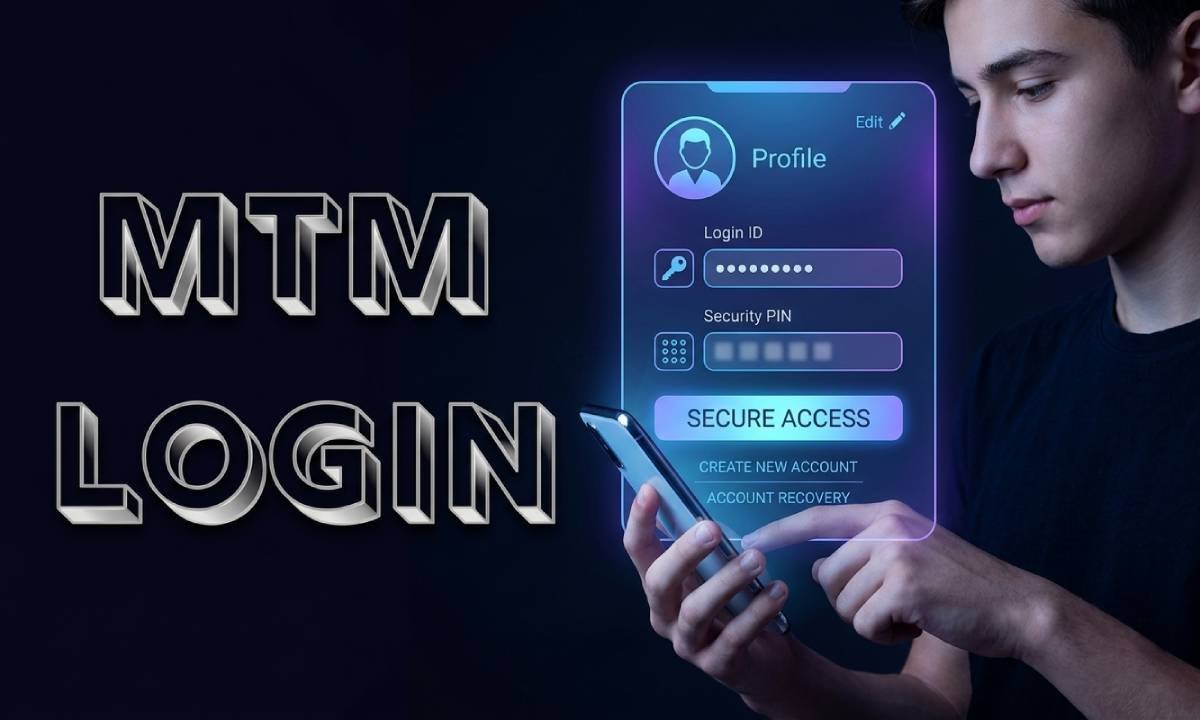
In today’s digital world, online portals make it easier to manage services, track activities, and access important information from anywhere. One such portal that many users rely on is MTM Login, which serves as the gateway to a platform designed to help users securely access their accounts and manage their information efficiently. Whether someone is checking updates, managing records, or accessing specific services, the login system plays a central role in the entire experience.
Understanding how MTM Login works is important for both new and experienced users. Many people encounter questions such as how to sign in, what to do if they forget their credentials, and how to keep their account safe. When users understand the system properly, they can avoid common problems and make full use of the platform’s tools.
This detailed guide explores everything related to MTM Login—from the basics of accessing an account to troubleshooting common issues. Along the way, it explains features, benefits, and security practices so users can navigate the platform with confidence.
Understanding the MTM Platform
Before exploring the login process, it helps to understand what the MTM platform is and why it exists. MTM platforms are typically designed to give users a centralized digital environment where they can access services, track activities, or manage information connected to a specific organization or system.
Many modern organizations rely on portals like MTM because they simplify communication and reduce paperwork. Instead of visiting offices or sending multiple emails, users can log in to one secure account and find everything they need in one place.
The platform may include dashboards, personal profiles, notifications, and service management tools. These features make it easier for users to stay informed and maintain control over their data.
Will you Check This Article: Rejekibet: A Complete Guide to the Popular Online Betting Platform
Quick Overview of the MTM System
| Feature | Description |
|---|---|
| Platform Purpose | Provides a centralized online access portal |
| Account Access | Secure login with username and password |
| Dashboard | Displays personal data, updates, and services |
| Accessibility | Can be accessed through web browsers |
| Security | Protected through authentication systems |
This structure helps ensure users have a consistent and secure experience whenever they access the platform.
How the MTM Login System Works
At its core, the MTM Login system acts as a security checkpoint that verifies a user’s identity before granting access to their account. Without this step, personal information and account functions could be exposed to unauthorized users.
When someone enters their username and password, the system checks the credentials against stored records. If the details match, the user is granted entry to their dashboard. If the information is incorrect, access is denied and the user may be prompted to try again.
Most modern login systems also include extra layers of protection such as verification codes, security questions, or account recovery options. These steps ensure that even if a password is compromised, the account remains protected.
For regular users, this process usually takes only a few seconds. However, behind the scenes, sophisticated systems are working to verify identities and keep data secure.
Step-by-Step Guide to MTM Login
Accessing an account through the MTM portal is typically a straightforward process. Users only need an internet connection and their login credentials.
Step 1: Visit the Official Portal
Open a web browser and navigate to the official MTM portal. The homepage usually displays a login form where users can enter their credentials.
Step 2: Enter Username or Email
Users must provide the registered username or email address associated with their account. This identifies the specific account the system should access.
Step 3: Input Password
The password is the security key that confirms the user’s identity. For safety, passwords appear as hidden characters while typing.
Step 4: Submit Login Request
After entering both credentials, the user clicks the login button. The system verifies the information and either grants access or requests corrections.
Step 5: Access the Dashboard
Once verified, the user is redirected to their dashboard where they can view information, manage services, or update account details.
This entire process is designed to be quick while still maintaining strong security standards.
Key Features Available After Logging In
The MTM platform usually provides several useful features that become available after a successful login. These tools help users interact with the system more efficiently.
One of the most important features is the personal dashboard. This area serves as the central hub where users can see account activity, updates, and available services.
Another major feature is account management. Users can edit personal details, update passwords, and adjust preferences whenever needed.
Many portals also include notifications or alerts that inform users about updates or important actions. This ensures that users remain informed without needing to constantly check multiple sources.
Finally, some MTM platforms offer integrated tools that allow users to complete tasks directly within the system, making the platform more convenient and efficient.
Benefits of Using the MTM Login Portal
Digital portals like MTM provide several advantages compared with traditional offline processes. These benefits explain why organizations increasingly adopt such systems.
First, the login portal allows users to access their accounts anytime. This flexibility means tasks can be completed without waiting for office hours or contacting support teams.
Second, it improves organization and record management. Instead of storing paperwork or scattered files, users can keep everything in one digital space.
Third, the system enhances communication between users and the organization behind the platform. Updates, notices, and service information can be delivered quickly and clearly.
Finally, digital access helps reduce delays and improves overall efficiency. Tasks that once took days can often be completed within minutes through an online portal.
Security Practices for Safe Account Access
Security plays a crucial role in any login system. Users must take certain precautions to ensure their accounts remain protected.
Strong passwords are the first line of defense. A good password usually combines letters, numbers, and symbols, making it difficult to guess.
Users should also avoid sharing login credentials with others. Even trusted individuals may unintentionally compromise account security.
Another helpful practice is logging out after using public or shared computers. This prevents others from accessing the account once the user leaves the device.
Key safety practices include:
- Use unique passwords and update them regularly
- Avoid accessing accounts on unsecured networks
These simple habits significantly reduce the chances of unauthorized access.
Common MTM Login Problems and Solutions
Although login systems are generally reliable, users sometimes encounter issues when trying to access their accounts. Understanding common problems can make troubleshooting easier.
One frequent issue is incorrect credentials. This usually happens when users mistype their username or password. Carefully re-entering the information often resolves the problem.
Another common issue involves forgotten passwords. Fortunately, most platforms include a password recovery option. By verifying identity through email or another method, users can reset their password and regain access.
Browser problems can also prevent successful login attempts. Clearing browser cache or switching to another browser may solve the issue.
Finally, system maintenance or temporary outages can sometimes cause login delays. In such cases, waiting a short time and trying again usually resolves the problem.
MTM Login for Mobile and Remote Access
Many users today prefer accessing digital platforms through smartphones or tablets. The MTM portal often supports mobile access through responsive design or dedicated applications.
Mobile compatibility ensures that the interface adjusts automatically to different screen sizes. This allows users to navigate menus, check updates, and manage accounts easily even on smaller devices.
Remote access also benefits professionals or individuals who travel frequently. They can check their accounts from any location without needing specialized equipment.
For example, a user working remotely might log in during a break to review updates or submit information. This flexibility helps maintain productivity while reducing dependence on physical offices.
Comparing Traditional Access vs Online Portal Access
To better understand the advantages of the login system, it helps to compare traditional methods with modern digital access.
| Feature | Traditional Method | MTM Online Portal |
|---|---|---|
| Access Time | Limited to office hours | Available anytime |
| Communication | Phone or in-person | Instant digital updates |
| Record Storage | Physical documents | Digital records |
| Processing Speed | Often slow | Usually immediate |
This comparison shows how online systems streamline processes and provide greater convenience for users.
The Future of Secure Login Systems
Login portals continue to evolve as technology advances. Many systems are now integrating additional authentication methods such as verification codes, biometric identification, or device recognition.
These innovations make platforms more secure while also simplifying the user experience. Instead of remembering complex passwords, users may eventually rely on fingerprint scans or facial recognition.
In addition, improved interface design ensures that platforms remain accessible even for users who are not technically experienced. Clear navigation and simplified dashboards help users perform tasks quickly.
As digital services expand, login systems like MTM will likely remain an essential part of secure online interaction.
Conclusion
The MTM Login portal serves as the gateway to a digital platform designed to provide secure and convenient account access. By verifying user identity, the system protects sensitive information while allowing individuals to manage services, track updates, and maintain their records efficiently.
Throughout this guide, we explored how the platform works, how users can sign in successfully, and what features become available after login. We also examined common login problems, security practices, and the advantages of digital account access compared with traditional methods.
For users who depend on the MTM portal, understanding the login process and account management tools can make daily tasks much easier. With proper security habits and familiarity with the system, individuals can enjoy a smooth and reliable experience whenever they access their accounts.
Read More: Parkmagazineny.co.uk

Introduction
In today’s rapidly evolving digital world, online platforms are transforming the way people interact with services, entertainment, and financial systems. One name that has recently gained attention in this space is Satexch. Whether users encounter it through online discussions, digital platforms, or community recommendations, many people are curious about what it is, how it works, and why it has attracted growing interest.
At its core, Satexch represents a modern digital exchange environment where users interact through a structured online system designed to facilitate transactions, activities, and user engagement. Platforms like this are part of a broader shift toward digital ecosystems that combine convenience, speed, and accessibility. Instead of relying on traditional processes, users now expect seamless online experiences that can be accessed anytime and from almost anywhere.
This article explores the concept of Satexch in depth. Readers will learn what the platform represents, how such exchange systems typically function, what makes them appealing to users, and the broader role they play in the digital economy. By the end, you’ll have a clear understanding of the platform’s structure, benefits, potential concerns, and how it fits into the modern digital landscape.
What Is Satexch?
Satexch is commonly referred to as a digital exchange platform where users participate in online activities involving transactions, interactions, and various forms of digital engagement. These platforms act as hubs where multiple services are brought together under a single interface, making them convenient for users who want quick access without switching between different systems.
Unlike traditional platforms that focus on only one type of service, exchange-style platforms often integrate multiple features. They may provide account management systems, transaction tools, user dashboards, and real-time activity updates. This unified structure allows users to manage everything within one environment.
The idea behind platforms like Satexch is similar to a digital marketplace. Imagine a busy city market where buyers, sellers, and service providers gather in one place. Instead of physical stalls and crowds, everything happens digitally through structured systems and automated processes.
Another important aspect is accessibility. Because these platforms operate online, users can interact with them from computers, smartphones, or tablets. This flexibility makes them attractive for people who prefer convenience and speed in their digital activities.
Will You Check This Article: Filreport Explained: Modern Data Reporting for Smarter Decisions
Quick Overview of the Satexch Platform
| Feature | Description |
|---|---|
| Platform Type | Digital exchange environment |
| Access Method | Web-based interface |
| User Interaction | Account-based participation |
| Core Function | Facilitating digital transactions and engagement |
| Availability | Accessible from various devices |
| User Tools | Dashboard, account controls, activity tracking |
This overview highlights how such platforms are structured to deliver a streamlined experience to users.
The Concept Behind Digital Exchange Platforms
Digital exchange platforms like Satexch exist because of a simple idea: bringing multiple participants into one structured system where interactions can occur efficiently. Instead of scattered processes, everything is centralized and managed through technology.
In earlier decades, many transactions required physical presence, paperwork, and manual processing. Today, digital systems automate much of that work. A well-designed exchange platform handles data processing, user authentication, activity tracking, and secure communication all within the same system.
The concept can be compared to an airport control tower. Pilots, airlines, passengers, and logistics teams all operate separately, but the control system ensures everything runs smoothly. Similarly, digital exchanges coordinate different user activities through a central framework.
This approach improves efficiency, reduces delays, and allows users to monitor their activities through clear dashboards. Many people appreciate the transparency and convenience that such systems offer.
Key Features That Define Satexch
Platforms like Satexch typically rely on several core features that shape the overall user experience. These features ensure that the platform remains functional, organized, and easy to navigate.
User Accounts and Identity Management
Most exchange systems begin with user accounts. These accounts allow individuals to access services, track their activities, and maintain personal records within the platform. Identity verification processes are often included to ensure that accounts remain secure and legitimate.
Once registered, users gain access to personalized dashboards where they can monitor their activities, manage settings, and interact with other elements of the platform.
Real-Time Interaction Systems
One reason digital exchange environments are popular is their ability to provide real-time updates. Users can see activity changes, transaction confirmations, or system notifications immediately after they occur.
This real-time functionality creates a dynamic experience that feels responsive and interactive. It also helps users make informed decisions without waiting for delayed updates.
Integrated Transaction Processes
Exchange platforms usually support internal transaction mechanisms. These systems allow users to move resources, participate in activities, or complete actions directly through the platform interface.
Automation ensures that transactions are processed quickly and recorded accurately. Users can also review past activities through detailed records stored within their accounts.
How Platforms Like Satexch Operate
Understanding how platforms such as Satexch operate requires looking at the underlying workflow that powers digital exchanges.
First, users register and create accounts within the platform. This step establishes their identity within the system and grants access to available features. After registration, users can log into their dashboards where they manage activities and explore platform options.
The platform then acts as an intermediary environment. It connects users with various tools, services, and activity streams while maintaining system stability and data management behind the scenes.
Automated systems track every interaction. Whether users are performing transactions or simply monitoring activity, the system records these actions for transparency and accountability.
Think of it like an advanced digital ledger combined with an interactive service platform. Every action leaves a record, ensuring that users can always review their history and track progress.
Benefits of Using Digital Exchange Platforms
Platforms designed like Satexch provide several advantages that explain why users are drawn to them.
Convenience and Accessibility
Perhaps the biggest benefit is convenience. Because everything operates online, users can access the platform from home, during travel, or even on mobile devices while commuting.
There’s no need to visit physical offices or handle manual paperwork. Instead, everything happens within a structured digital interface.
Speed of Operations
Digital automation significantly reduces waiting times. Activities that might take hours or days through traditional systems can be completed within seconds.
This speed is particularly valuable in environments where timing matters and users need immediate results.
Organized Data Tracking
Exchange platforms typically store detailed activity histories. This allows users to review past interactions, verify records, and maintain organized personal logs.
Such transparency builds confidence among users who want clarity about their activities and transactions.
Comparison: Traditional Systems vs Digital Exchange Platforms
| Aspect | Traditional Systems | Digital Exchange Platforms |
|---|---|---|
| Accessibility | Often location-based | Accessible online |
| Speed | Slower manual processing | Automated and faster |
| Record Keeping | Paper-based or fragmented | Centralized digital records |
| User Control | Limited direct control | Personalized dashboards |
| Availability | Fixed hours | Often available anytime |
This comparison highlights why digital exchange environments have gained popularity across various sectors.
Challenges and Considerations
While platforms like Satexch offer many benefits, it is important to consider potential challenges that can arise with digital systems.
One challenge is user awareness. Because digital exchanges can involve complex systems, new users may initially find the interface confusing. Proper guidance and learning resources help overcome this hurdle.
Another consideration involves responsible usage. Users should always understand the rules, policies, and guidelines of any platform they join. Clear knowledge ensures safe and informed participation.
Security is also a key concern in digital environments. Platforms must maintain strong protective measures to safeguard user data and account information. Responsible digital behavior from users also contributes to overall safety.
Finally, the reliability of online infrastructure plays a role. Stable internet connections and reliable system maintenance are necessary to ensure uninterrupted access.
The Growing Role of Digital Exchange Ecosystems
Digital exchange platforms are becoming an important part of the broader digital economy. As technology continues to advance, more services are shifting toward integrated systems that combine multiple functions within one platform.
The popularity of platforms like Satexch reflects a larger trend. People increasingly prefer systems that provide convenience, speed, and centralized access to services. Instead of juggling multiple applications, users enjoy the simplicity of unified environments.
Businesses and developers also benefit from this model. By bringing users together in one structured ecosystem, platforms can create more efficient service delivery and better user engagement.
In the coming years, digital exchanges may continue to evolve. Improved technology, better user interfaces, and advanced automation will likely make these platforms even more accessible and powerful.
Conclusion
Digital platforms have reshaped how people interact with services, transactions, and online communities. Satexch represents one example of this transformation, offering a structured digital exchange environment where users can participate through organized systems and interactive tools.
Throughout this article, we explored what Satexch is, how digital exchange platforms operate, and why they have become increasingly popular. Their advantages include convenience, faster processes, centralized records, and flexible access from multiple devices.
However, like any online platform, responsible usage and awareness remain essential. Users should always understand the platform’s features, follow its guidelines, and remain mindful of digital security practices.
As technology continues to develop, platforms similar to Satexch will likely become even more integrated into everyday digital life. Understanding how they function helps users navigate these systems with confidence and make the most of the opportunities they provide.
Read More: Lumerink.com

Wollmatten: Natural Comfort and Timeless Flooring Choice

Switching 2nd: Meaning, Uses, and Real-Life Impact

Rblwal: A Complete Guide to Its Meaning and Impact

Is Elizabeth Rizzini Still Married? The Truth About Her Relationship Status

Mark McCann Net Worth: The Real Story Behind His Wealth, Business Empire & Success

Andrew Frankel: The Private Billionaire Behind the Spotlight
-

 Blog1 day ago
Demonscans: Exploring the World of Online Manga Access
-

 Tech2 days ago
Emcons Explained: Meaning, Uses, and Real-World Impact
-

 Health & Fitness1 day ago
Truvirility: Meaning, Uses, and Real-World Relevance
-

 Tech1 day ago
Eslato Explained: Meaning, Uses, and Growing Influence
-

 Tech1 day ago
fkstrcghtc: A Modern Concept Shaping Clarity and Focus
-

 Celebrity2 days ago
Finnorth: A Modern Concept Shaping Digital Futures
-

 Tech1 day ago
Bastinews.xyz: A Modern Hub for Digital News & Trends
-

 Blog2 days ago
Fetid Key OSRS: Complete Guide to Uses, Farming & Tips