
Celebrity
Kelly Frayne: Exploring The Story Behind The Name

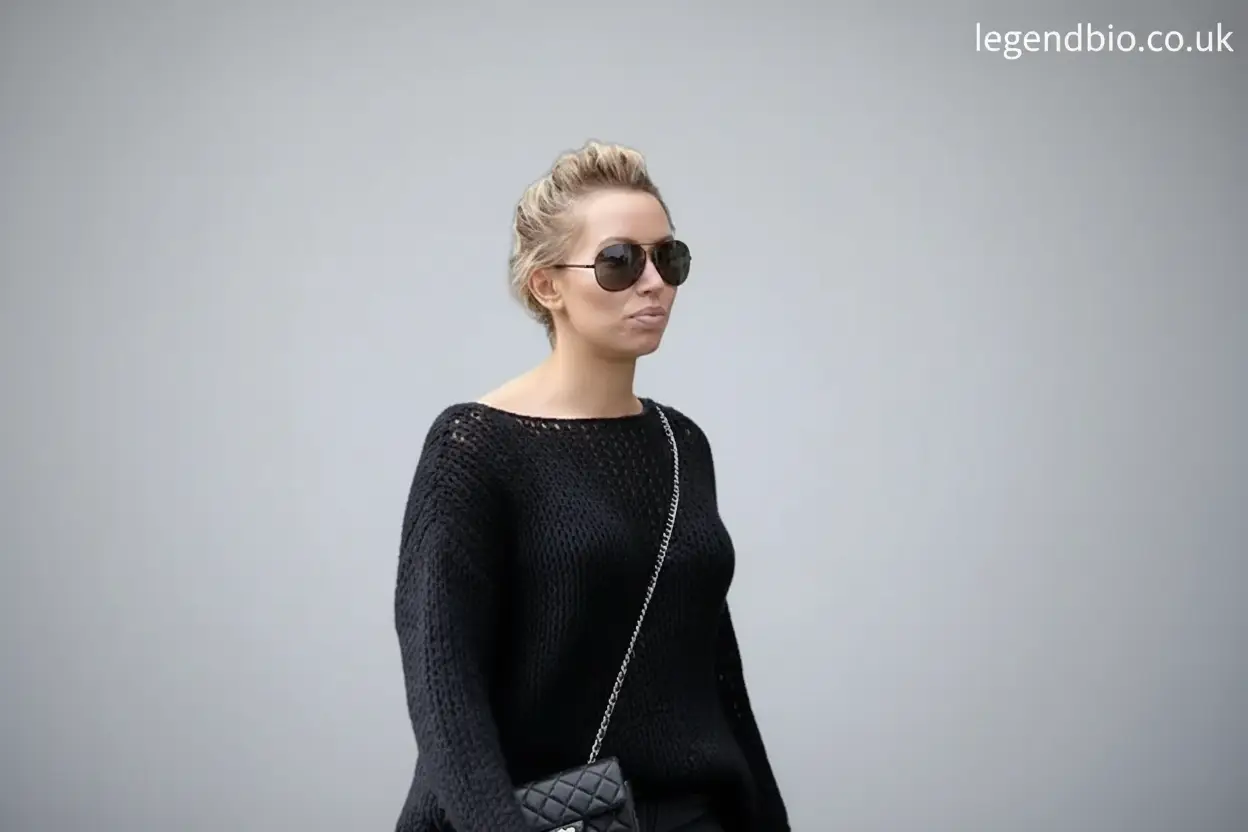
When someone types “kelly frayne” into a search bar, they’re usually looking for a real person, a clear story, or some trustworthy context about the name they keep seeing online. Yet this name actually appears in many small digital footprints, from social media profiles to community mentions, which can make things confusing. In this guide, the name “kelly frayne” becomes a doorway into understanding not just one person, but how modern online identities work when several people share the same name.
This article walks through what is publicly visible about the name, how it shows up on different platforms, and what that teaches about privacy, reputation, and digital footprints. Along the way, it helps readers understand how to interpret scattered online traces, why there might not be a single famous person behind the name, and how to navigate similar situations when researching any person online.
Will You Check This Article: Adrian Higham Partner: Tara Franklin, Life, Love, And Business Behind The Bidding Room Star
Quick profile overview
The name “kelly frayne” appears across several platforms rather than pointing to one central public figure. Instead of a single headline personality, the name is attached to everyday people whose profiles appear in searches, especially on social and professional networks.
| Field | Information (publicly visible traces) |
|---|---|
| Full name | Commonly seen as “Kelly Frayne” |
| Main visibility | Social media and networking platforms |
| Example locations | Canada, United Kingdom, United States (based on profiles) |
| Primary roles noted | Stay-at-home parent, stylist, general user profiles |
| Public status | Not a widely known celebrity or public figure |
Several profiles under this name appear in people-search and social results, which is typical for names that are not unique. Some accounts are private, some are lightly active, and some only show the most basic bio details.
Digital footprints of the name “Kelly Frayne”
Multiple profiles, one shared name
When “kelly frayne” is searched, one of the clearest patterns is the presence of several individuals sharing the same name across platforms. A directory page on a professional network lists multiple people named “Kelly Frayne” in locations such as Waterloo, Ontario, the United Kingdom, Avenel, New Jersey, and one specifically labeled as a stylist in Canada. This already shows that the name doesn’t belong to a single well-known personality, but to several unrelated people living normal lives.
On social media, public people-search pages reveal a cluster of profiles that use this name, connecting with friends and family within local communities. This kind of digital footprint is common: a name appears again and again, but each instance belongs to a different person with their own private story rather than a single unified “brand.”
Everyday life in public snippets
In at least one case, a profile for “Kelly Frayne” describes the person as a stay-at-home parent who studied at St Helens College and attended Parr High School, living in St Helens, Merseyside. The profile structure follows the familiar pattern of many social accounts: a short “about” section, education details, and basic location information. Nothing indicates celebrity, but it does convey a very human snapshot of life centered on family and community.
There are also traces where “kelly frayne” appears in social interactions such as reactions or comments in posts about bridal dresses or events. These tiny mentions show how a name can show up in seemingly random contexts—for example, reacting to a bridesmaid dress style debate—without any larger public narrative attached.
Social media presence and privacy
Private accounts and limited access
One of the more direct digital traces is a private profile on a popular photo-sharing platform under the handle “@kellyfrayne.” The profile shows a small follower count, a modest following list, and a clear message that the account is private, requiring approval before others can see posts. This setup is a strong reminder that a name appearing in search results doesn’t mean automatic access to someone’s personal life.
Private accounts protect photos, videos, and personal updates from being visible to strangers, even though the username itself remains searchable. For people researching a name like kelly frayne, this means there may not be much detailed information available beyond the fact that the account exists in the first place.
Mentions in community and interest groups
The name also appears in places where community members comment, react, or participate in group discussions, such as threads about dress styles or local topics. For example, “Kelly Frayne” can be seen reacting to posts that compare bridesmaid dress designs, where people discuss bodice details, lace, and overall look. These subtle appearances create a light trail of activity, but they do not build a complete biography; they simply show that someone with that name is engaging casually in online conversations.
In another context, a related double-barrel surname “Kelly-Frayne” appears in local Irish community notes, connected to cultural or dance events. This suggests that variations of the name may be rooted in specific regions or families, even if each individual’s story remains largely offline.
Roles, locations, and everyday identities
From stylist to stay-at-home parent
Across different platforms, roles connected to the name “kelly frayne” span daily, grounded life rather than high-profile careers. For instance, one directory entry identifies a “Kelly Frayne” as a stylist based in Canada, indicating work that likely involves hair, beauty, or fashion in a professional or freelance setting. This detail stands out because it shows a clear occupation tied to creativity and personal presentation, even though no larger biography is available publicly.
By contrast, the stay-at-home parent profile in St Helens, Merseyside highlights a completely different life rhythm, focused on home life, childcare, and local community rather than public-facing work. Together, these examples show how the same name can represent very different paths: one in a creative service field, another centered on family and household responsibilities.
Geographic spread of the name
The geographic spread of profiles reinforces the idea that “kelly frayne” is not rooted in a single city or country. Some instances are tied to the United Kingdom, such as the St Helens profile and community references, while others suggest connections to Canada and the United States through directory locations like Waterloo and Avenel. This pattern is typical for surnames that have travelled with families, migrations, or marriages over time.
In local news and community tributes from Ireland, double surnames that combine “Kelly” and “Frayne” in various ways appear in comments or quotes, hinting at family ties and regional heritage without providing full genealogical details. These scattered references are important: they show that behind the name lie real families, personal histories, and regional roots that are not fully captured online.
Understanding names that share multiple identities
Why one name can mean many people
The story of kelly frayne illustrates how a single search term can connect to multiple real individuals whose lives do not intersect. Modern platforms often index names without deeply verifying whether profiles belong to the same person, so directories and people-search pages may list several entries under the same name, each with its own location and role. For anyone trying to “find” a specific Kelly Frayne, this creates both confusion and risk if assumptions are made without verification.
In everyday life, many names are shared by dozens or even hundreds of people worldwide, especially when the first name and surname are fairly common. The result is a patchwork of digital traces—some private, some public, some semi-visible in comments—without a central story that ties everything together.
How misidentification happens online
Misidentification can happen when someone assumes that every occurrence of “kelly frayne” refers to the same person, even when different profiles have distinct locations, jobs, or family details. For example, it would be incorrect to merge the stylist in Canada with the stay-at-home parent in St Helens or with a community member linked to Irish cultural events, because each trace points to a different person with their own context.
This kind of confusion becomes particularly sensitive when people are searching for background on a person they might work with, date, or hire. If someone mixes up the identities, they might attribute the wrong activities, photos, or comments to a completely unrelated person. That’s why careful cross-checking of locations, mutual connections, and visible details is essential whenever a name appears in more than one place.
How to research a person with a shared name
Practical steps to narrow down the right person
When dealing with a name like kelly frayne that appears in several places, there are practical ways to narrow down which person is actually relevant to a particular search. First, combining the name with additional details—such as city, profession, or organization—can dramatically improve accuracy. For instance, searching “Kelly Frayne stylist Canada” points more clearly toward the stylist listing than a general search for the name alone.
Second, looking at contextual clues like schools, hometowns, and visible friendships can help confirm whether the profile matches the person being sought. If someone knows that the person they’re looking for lived in St Helens and went to Parr High School, then the profile that mentions those details is far more likely to be the correct match.
Read More: Jennifer Hageney: The Quiet Floral Designer Who Stepped Out of the Spotlight
Respecting privacy and boundaries
Researching a name online should always come with respect for privacy, especially when accounts are clearly private or show very limited information. A private account under the handle “@kellyfrayne” is a clear signal that the owner prefers to control who sees personal content, regardless of whether their name appears in public search results. Trying to force access or overanalyze minimal data from such profiles crosses an ethical line.
Even when profiles are public, reaching out should be done with care, honesty, and a clear reason. Explaining why contact is being made and giving the person the option to ignore or respond on their own terms helps maintain trust and respect. After all, behind every name and profile is a real person who may not expect strangers to dig into their online traces.
Example table: common research filters
| Filter to add with name | Why it helps |
|---|---|
| City or region | Distinguishes people in different countries |
| Job role or field | Separates stylists, parents, or other professions |
| School or college | Confirms identity through education history |
| Known connections | Matches mutual friends or family links |
Using these filters makes it easier to focus on the right individual while reducing the chances of misidentifying someone else who shares the same name.
Lessons from the “kelly frayne” search experience
Digital identity is often fragmented
The name kelly frayne shows how digital identity is rarely a single, polished story for ordinary people. Instead, it is fragmented into social profiles, brief mentions in group posts, and directory entries that might only show a location and a broad role like “stylist.” None of these pieces alone gives a full picture, but together they hint at real lives that mostly exist offline, beyond open data.
This fragmentation is normal: most people are not public figures with full biographies written about them. Their identities are primarily lived in private, with only small slivers visible through accounts, comments, and local references.
Balancing curiosity with respect
Anyone searching for a name such as kelly frayne can learn a lot about how to balance curiosity with respect. It’s reasonable to look up someone’s basic information before working together, meeting in person, or collaborating on a project, but it’s equally important to remember that online information is partial and sometimes outdated. Jumping to conclusions based on a few scattered search results can mislead both the researcher and the person being researched.
Being open, asking questions directly when appropriate, and accepting that not everything about a person is public helps avoid unfair judgments. Online traces can start a conversation, but they should never replace honest, direct communication when trust and understanding are needed.
Table: visible roles and contexts for “kelly frayne”
| Context type | What appears under the name | What it suggests |
|---|---|---|
| Social profile | Stay-at-home parent in St Helens, Merseyside | Family-centered daily life |
| Professional directory | Stylist located in Canada | Creative work in personal appearance services |
| Group interactions | Reactions to posts about dresses or events | Casual participation in online communities |
| Community mentions | Related surnames in Irish local notes and tributes | Possible regional or family heritage links |
These glimpses are enough to show that the name is real, shared, and tied to ordinary human lives, even though no single dominant public narrative exists.
Conclusion
The search for kelly frayne does not uncover a single celebrity, influencer, or widely documented figure; instead, it reveals how one name belongs to several individuals whose lives quietly intersect with the online world. Their digital footprints—private accounts, modest social bios, local mentions, and directory entries—offer just enough information to confirm that real people exist behind the name, but not enough to collapse them into a single identity.
This makes the name a useful example for anyone trying to understand how to interpret everyday online identities. Rather than expecting a neat biography, it’s wiser to combine context like location, role, and connections, then approach any contact with respect for privacy and room for clarification. In a world where many people share similar names, learning to read these digital traces carefully helps avoid misidentification and encourages a more thoughtful, human approach to researching others online.
Frequently Asked Questions (FAQs)
1. Who is Kelly Frayne?
“Kelly Frayne” is a name shared by multiple individuals whose online presence appears mainly through social media profiles, directory listings, and community mentions. There is no single widely known public figure who exclusively defines this name.
2. Is Kelly Frayne a public figure or celebrity?
Current visible information suggests that people named kelly frayne are private individuals such as a stylist, a stay-at-home parent, or community members, rather than celebrities. Their public footprints are limited to everyday online activity and basic profile details.
3. Why do several profiles show the same name?
Multiple profiles appear because different people in various locations share the same name, which is common on large platforms. Directories and people-search pages simply list each profile without assuming they belong to one person.
4. How can someone find the specific Kelly Frayne they’re looking for?
To find a specific person, it helps to add details such as city, job role, or school to the search, like “Kelly Frayne stylist Canada” or “Kelly Frayne St Helens.” Matching known information with profile details reduces the chance of confusing different individuals.
5. Is it okay to contact someone named Kelly Frayne based on search results?
It’s reasonable to reach out politely if there’s a clear, respectful reason, but messages should explain who is contacting them and why. Private accounts or very limited profiles should be treated as a sign to respect boundaries and avoid intrusive behavior.
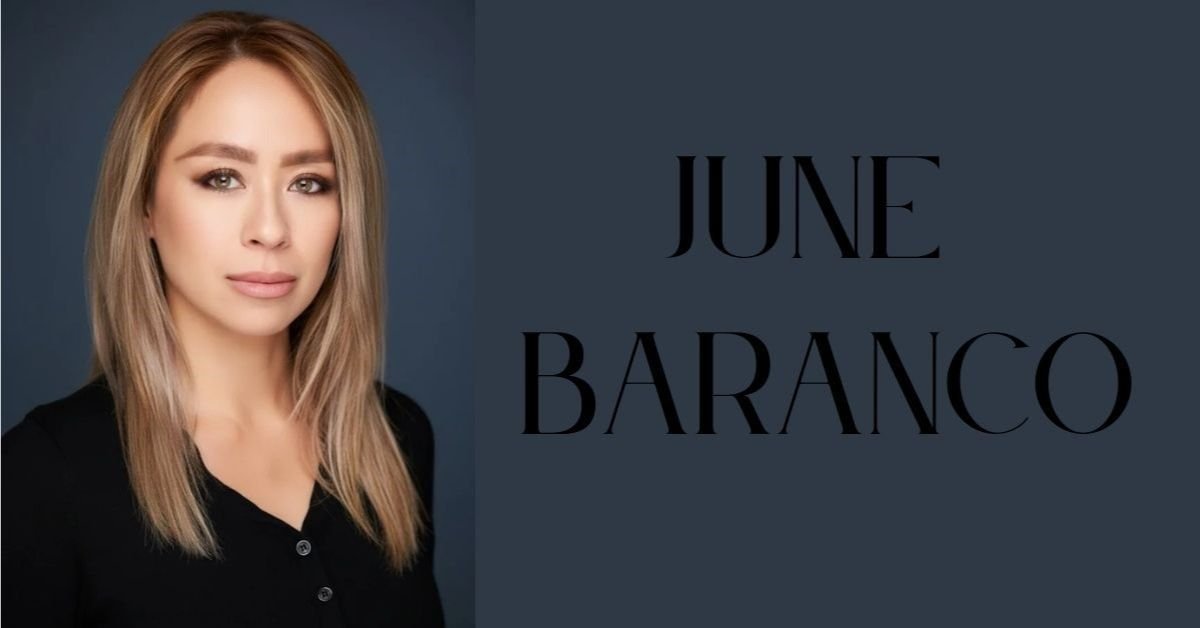
The name June Baranco can raise curiosity because it feels personal yet unfamiliar to many readers. Some encounter it while searching records, reading references, or hearing it mentioned without explanation. June Baranco does not immediately signal a well-known public figure, which makes context especially important. Understanding how names function across personal, cultural, and digital spaces helps avoid confusion. This article looks at the name through a thoughtful, experience-based lens rather than assumptions.
Names and Why Context Is Essential
Names carry meaning only when paired with context. Without background, a name like June Baranco could belong to a private individual, a creative alias, or a historical reference. Assuming too much too quickly often leads to misinformation or misunderstanding.
In real research situations, names appear in fragments. You might see them in a document, a conversation, or a database entry. The surrounding details usually explain relevance. Without those details, the name remains neutral rather than informative.
Understanding this prevents false conclusions. It encourages careful interpretation and respect for accuracy. Context transforms a name from a label into a meaningful reference.
Will You Check This Article: Acamento Explained: Meaning, Usage, and Real-World Context
The Personal Nature of Proper Names
Proper names often represent real people with private lives. Unlike brands or concepts, they do not always have public definitions. June Baranco may refer to someone known only within a specific community or family.
From experience, searching personal names online often yields limited or mixed results. This does not mean the name lacks importance. It simply means its significance may be local or personal rather than public.
Respecting that boundary matters. Treating names carefully avoids creating narratives that are unsupported. It keeps discussion grounded in what is known rather than imagined.
How Names Appear in Digital Searches
In digital environments, names often surface without explanation. A name may appear in a file name, comment, or reference list. Search engines then present it without context, leaving users uncertain.
This is common in modern research. Systems index text without understanding intent. A name like June Baranco can become searchable even if it was never meant to be widely referenced.
Understanding this helps manage expectations. Not every search result leads to a story. Sometimes it simply reflects how information is stored and retrieved.
Cultural and Linguistic Considerations
Names often reflect cultural or linguistic backgrounds. June suggests a time-based or seasonal origin, while Baranco may hint at regional or family roots. These elements offer clues but not conclusions.
Cultural interpretation should remain cautious. Similar spellings can exist across different regions with different meanings. Without confirmation, such observations remain possibilities rather than facts.
This approach mirrors real-world research practices. Observing patterns is useful, but verification is essential before drawing conclusions about identity or origin.
Avoiding Assumptions in Interpretation
A common mistake is assuming prominence. Many searches imply that a name belongs to someone famous or influential. In reality, most names belong to everyday individuals whose lives are not public.
Experience shows that assumptions create confusion. Readers may expect biographies or achievements where none are documented. This gap leads to frustration rather than clarity.
A better approach is neutrality. Treat the name as a reference point, not a story. Let verified information guide understanding instead of expectation.
When Names Become Important References
Sometimes a name becomes important due to a specific context. It might appear in legal records, academic citations, or personal histories. In those cases, meaning comes from the role the name plays, not fame.
For example, a name in a contract matters because of responsibility, not recognition. In research, a cited name matters because of contribution, not popularity.
Understanding this shifts focus. The importance lies in function and relevance, not public visibility. This perspective keeps interpretation accurate and respectful.
Responsible Research Practices
Responsible research starts with acknowledging limits. If information about June Baranco is scarce, that scarcity is itself meaningful. It signals privacy or limited public exposure.
Good practice involves cross-checking sources and avoiding speculation. When details are missing, it is better to note uncertainty than invent explanation.
This discipline builds trust. Readers benefit from clarity about what is known and what is not. Accuracy matters more than filling space with assumptions.
Conclusion
June Baranco is best understood as a name whose meaning depends entirely on context. Without verified public information, it should be treated carefully and neutrally. Names gain significance through their role, not their visibility. By focusing on context, avoiding assumptions, and respecting accuracy, we approach names like June Baranco with clarity and responsibility. This mindset leads to better understanding and more reliable interpretation in both research and everyday inquiry.
Read More: Parkmagazineny.co.uk
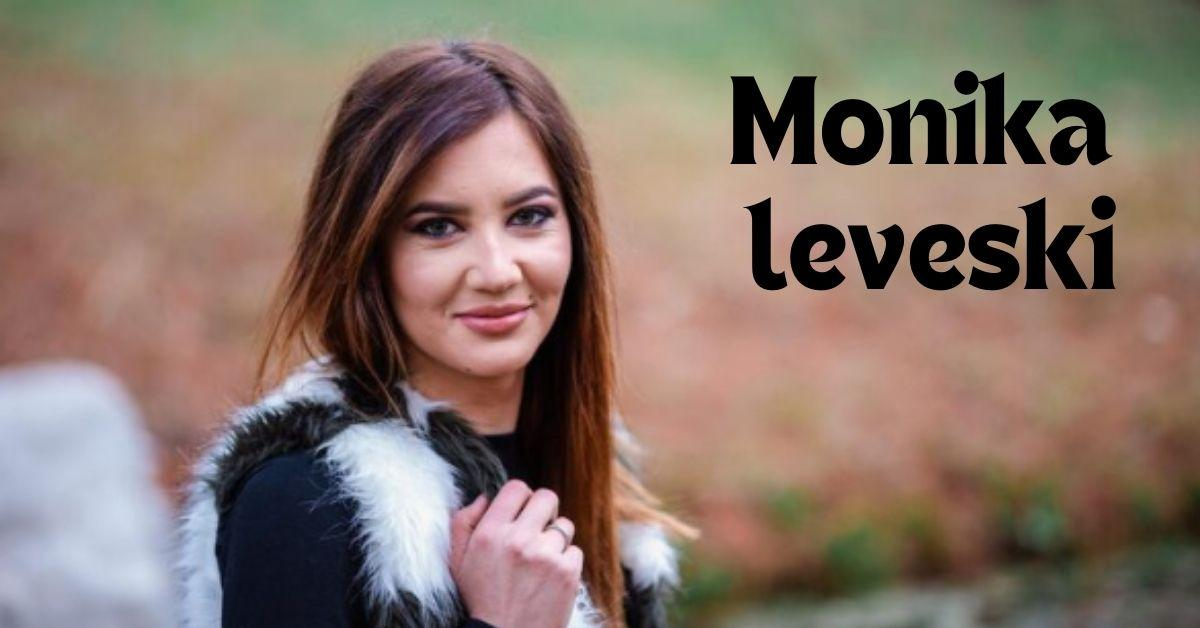
The name Monika Leveski often appears as a variation of Monica Lewinsky, reflecting how public memory reshapes names over time. Beyond spelling, the name carries decades of cultural weight tied to media scrutiny, judgment, and resilience. Understanding this story is less about scandal and more about how society treats individuals caught in powerful narratives. It is a reminder that names can become symbols, sometimes unfairly, and that identity evolves long after headlines fade.
Early Life and Personal Background
Before global attention, Monica Lewinsky lived a private life shaped by education, friendships, and ordinary ambitions. Like many young adults, she was navigating identity, independence, and professional direction. These early years are often overlooked, yet they matter because they show a full human life before public definition took over.
Focusing only on later events can erase this context. It simplifies a complex person into a single chapter. Recognizing her background restores balance and reminds us that public figures are not born as symbols. They become them through circumstances, often unexpectedly.
Understanding this early stage helps frame everything that followed. It highlights how abruptly life can change and how unprepared anyone might be for global attention and judgment.
Will You Check This Article: fiebrigen: Meaning, Usage, and Emotional Context
Media Attention and Its Impact
Media coverage played a defining role in shaping public perception. The story was repeated, reframed, and sensationalized across platforms. This repetition stripped away nuance and reduced a person to a narrative that served ratings and political discourse.
Such coverage had lasting consequences. Once a narrative hardens, it becomes difficult to challenge. Public opinion often forms quickly and lingers, even as facts become more complex. Media framing matters because it influences how society assigns blame, empathy, or dismissal.
This period shows how powerful institutions can overshadow individual voices. It also raises questions about responsibility, ethics, and the cost of turning personal experiences into public spectacle.
Public Judgment and Gender Dynamics
Public reaction revealed deep gender biases. The scrutiny placed on Monica Lewinsky differed sharply from how others involved were treated. Language used in commentary often focused on character rather than circumstance, reinforcing harmful stereotypes.
These dynamics matter because they reflect broader social patterns. Women in public controversies are frequently judged more harshly and remembered longer for personal actions. This imbalance shapes careers, mental health, and long-term reputation.
Examining this aspect helps explain why the story still resonates. It is not only about one individual but about how society assigns blame and forgiveness along gendered lines.
Silence, Voice, and Reclaiming Narrative
For years, silence was a survival strategy. Stepping away from the spotlight allowed space to heal and reflect. Yet silence also meant that others controlled the story, reinforcing simplified or unfair portrayals.
When Monica Lewinsky eventually spoke publicly again, the tone had shifted. Her voice was reflective, measured, and grounded in experience. Reclaiming narrative does not erase the past, but it reframes it with honesty and self-definition.
This shift shows the power of time and perspective. It demonstrates that reclaiming identity is possible, even after years of misrepresentation.
Cultural Reassessment Over Time
As culture changed, so did interpretation. Conversations around power, consent, and media ethics evolved. Many began to reassess earlier judgments with greater empathy and context.
This reassessment matters because it shows growth. Societies can learn from past mistakes, even if slowly. Revisiting old stories through modern understanding can correct harm and offer more balanced perspectives.
The changing view of Monica Lewinsky reflects broader cultural shifts. It signals increased awareness of how narratives can damage individuals long after events end.
Mental Health and Personal Resilience
Living under intense public scrutiny takes a psychological toll. Anxiety, isolation, and shame are common outcomes when private experiences become global discussions. Acknowledging this impact humanizes the story beyond politics or media drama.
Resilience does not mean the absence of pain. It means continuing despite it. Over time, Monica Lewinsky’s journey highlighted the importance of mental health awareness and compassion.
This aspect resonates strongly today. It reminds people that words, jokes, and headlines can have lasting effects on real lives.
Public Advocacy and Modern Role
In recent years, Monica Lewinsky has become an advocate against online shaming and cyberbullying. Drawing from personal experience, she speaks with credibility and empathy. Her work focuses on prevention, awareness, and cultural responsibility.
This role represents transformation rather than escape. It shows how difficult experiences can inform meaningful contribution. Advocacy turns pain into purpose without denying what happened.
Her modern presence is quieter but more impactful. It centers on lessons learned rather than controversy.
Conclusion
Monika Leveski, as a name and symbol, reflects how society remembers stories. Yet behind that symbol is a person shaped by experience, judgment, growth, and resilience. Understanding this journey requires moving past sensationalism toward empathy and context.
The lasting lesson is not about scandal, but about humanity. How we talk about people matters. Names carry weight, and stories deserve care. When we look beyond headlines, we find complexity, accountability, and the possibility of understanding.
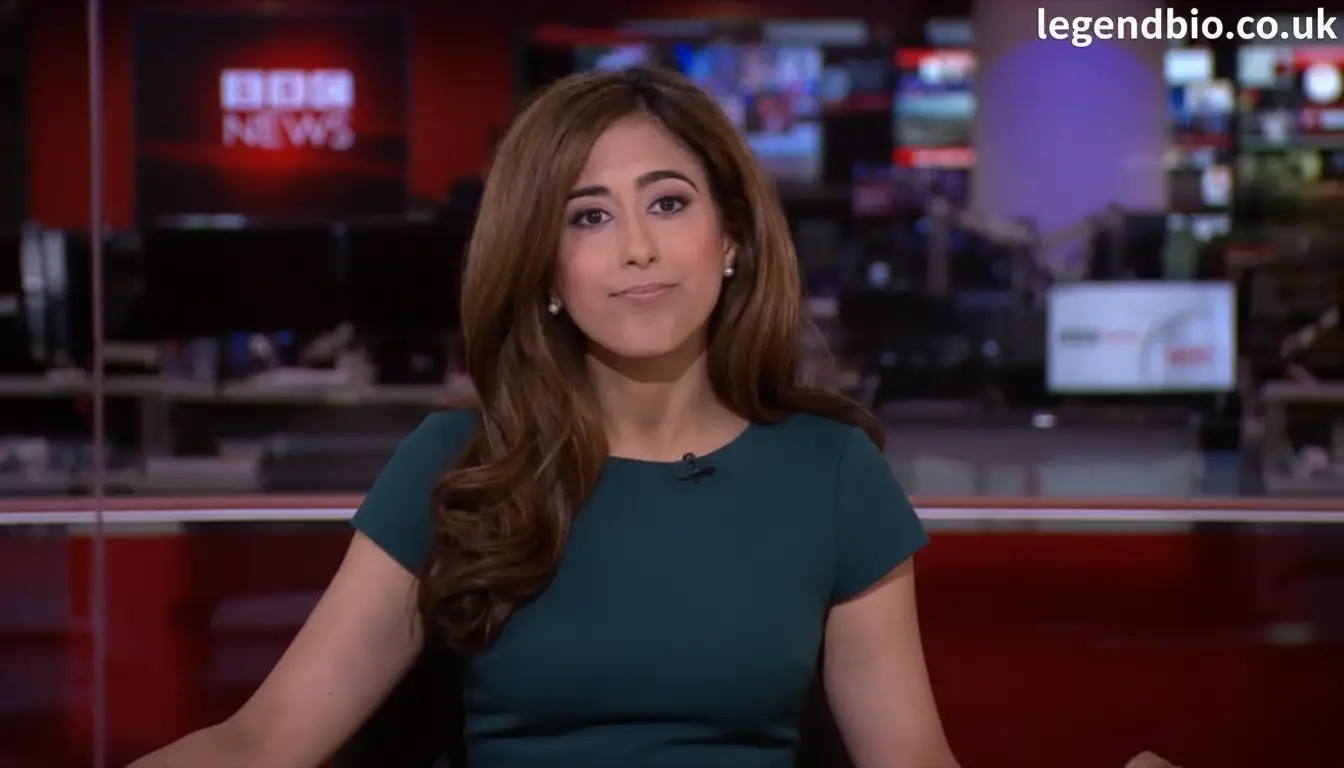
Azadeh Moshiri is a widely recognized BBC foreign correspondent whose work spans breaking news, in‑depth documentaries, and high-profile interviews across some of the world’s most complex stories. From London to Pakistan, her on‑air presence and reporting style have made her a familiar face to viewers who rely on clear, trustworthy international news. This article explores who Azadeh is, how she built her career, and why her background, skills, and global outlook make her one of the most compelling journalists of her generation.
Will You Check This Article: Fiona Hewitson: From Red Bull Shadows To Cadillac F1 Spotlight
Who is Azadeh Moshiri?
Azadeh is a BBC News foreign correspondent, reporter, and former TV anchor known for covering politics, conflicts, and human stories from around the world. She has reported for BBC World News and BBC News TV, appearing on global bulletins and presenting major stories to an international audience. Born in Washington, DC and raised in London, she combines a multicultural upbringing with a strong academic and professional foundation in journalism and political storytelling. As a visible BBC face, azadeh has become synonymous with sharp analysis, calm delivery, and thoughtful reporting under pressure.
Career Path to BBC News
Before becoming a familiar name at BBC News, Azadeh built her career step by step across different media and communications roles. She started in strategic communications at FTI Consulting and Finsbury, where she worked with major healthcare, industrial, and Fortune 500 clients on media and reputation strategies. Her move into journalism included early roles such as election results taker for the Press Association during the EU referendum, which exposed her to live political news environments. These early experiences laid the groundwork for the newsroom discipline and editorial judgment that azadeh would later bring to BBC and CNN coverage.
Time at CNN and Amanpour
A major turning point in Azadeh career came when she joined CNN International as a producer on the renowned current affairs programme “Amanpour.” As a planning producer, she helped secure interviews with high-profile guests such as Apple CEO Tim Cook, comedian Dave Chappelle, New Zealand’s Jacinda Ardern, Vogue’s Anna Wintour, and political figures like Pete Buttigieg, Kirsten Gillibrand, and Mitt Romney. Her responsibilities included booking guests, field producing, output producing, and writing articles for CNN.com to support news‑making interviews, as well as helping launch “Amanpour & Company” for PBS. This period honed the editorial, logistical, and storytelling skills that now define azadeh as an on‑air BBC journalist.
Joining BBC News and Going On Air
After CNN, Azadeh Moshiri joined BBC News in 2019, initially as a broadcast journalist and later stepping into highly visible anchor and reporting roles. She became an anchor, on‑air reporter, and senior journalist for BBC News, regularly presenting live programmes and leading coverage on BBC World and BBC News channels. Her work has included reporting on major global events, from protests in Iran to developments in Gaza and international diplomacy interviews, bringing clarity to complex international stories. Through these roles, azadeh has built a reputation for combining strong on‑screen presence with the ability to ask direct, informed questions in high‑stakes interviews.
Pakistan Correspondent and International Reporting
In 2025, Azadeh took on the role of BBC News Pakistan correspondent, joining the Islamabad and South Asia team for an extended assignment. In this position, she reports from the ground on politics, security, climate, and social issues affecting Pakistan and the wider region, often in fast‑moving and sensitive situations. Her documentary “Lethal Waters: Climate Change in Pakistan,” available on BBC iPlayer, highlights the human and environmental impact of climate‑driven disasters and showcases her ability to combine investigative reporting with deeply personal storytelling. Through such work, azadeh connects global audiences to under‑reported communities and stories that shape the region’s future.
Education and Academic Background
Azadeh studied at Duke University in the United States, where she earned a degree in English Language and Literature alongside Political Science. This combination of disciplines reflects her twin interests in narrative, language, and the structures of power and governance that underpin world events. Prior to Duke, she attended Lycée Français Charles de Gaulle in London, completing the French Baccalauréat (ES stream), which gave her a strong multilingual and multicultural academic foundation. This educational path equips azadeh with the analytical and writing skills necessary to turn complex political and social issues into accessible, engaging reporting for global audiences.
Awards, Recognition, and Professional Achievements
Azadeh work has been recognized with industry‑leading honours, including a News & Documentary Emmy Award in 2019 and an additional Emmy nomination in 2020. These awards highlight her contribution to high‑impact, high‑quality journalism at an early stage of her broadcasting career. Beyond formal accolades, her growing presence on social platforms like X (formerly Twitter) and Instagram, where she shares reporting, clips, and behind‑the‑scenes perspectives, underscores her role as a trusted journalist for a digital audience. For viewers and readers worldwide, azadeh represents a new generation of correspondents who blend rigorous reporting with accessible, human‑centred storytelling.
Languages, Skills, and Global Outlook
One of Azadeh strengths as an international correspondent is her ability to operate across cultures and languages. She has native or bilingual proficiency in English and French, professional working proficiency in Farsi, and elementary proficiency in Spanish, allowing her to engage with sources and audiences in multiple linguistic contexts. Professionally, she holds an NCTJ Gold Standard Diploma in Journalism and shorthand at 100 words per minute, both issued by the UK’s National Council for the Training of Journalists. These qualifications, combined with her international upbringing, help azadeh navigate complex cross‑border stories and connect with people whose lives are at the heart of the news.
Personal Background and Family Connections
Publicly available information notes that Azadeh is the daughter of Farhad Moshiri, the businessman associated with Everton FC, and that she has openly acknowledged the role of mentoring schemes in her career. She has credited the John Schofield Trust, a charity focused on helping young journalists from diverse backgrounds, with providing mentoring support that she says made her career “would never have happened” without it. This openness about mentorship and opportunity has sparked debate about diversity schemes and social mobility in British media while also highlighting the practical value of structured support in competitive industries. Through this lens, azadeh career becomes part of a wider conversation about access, privilege, merit, and responsibility in journalism.
Online Presence and Documentaries
Beyond traditional TV bulletins, Azadeh maintains an active online presence that amplifies her reporting to a global audience. On X, she shares clips of interviews, threads on unfolding events in places like Iran, Gaza, and Pakistan, and commentary that provides context beyond the news package. On Instagram, she highlights her work as a foreign correspondent and promotes projects like the documentary “Lethal Waters: Climate Change in Pakistan,” giving followers a more visual sense of her on‑the‑ground reporting. These platforms help azadeh reach younger and more digitally engaged audiences while reinforcing the credibility and transparency that viewers expect from modern journalists.
Why Azadeh Moshiri Matters Today
In an era of information overload and global uncertainty, journalists like Azadeh play a crucial role in helping audiences understand fast‑moving and often emotionally charged events. Her reporting from Pakistan, coverage of protests and human rights issues, and interviews with high‑level political figures provide viewers with nuanced, fact‑based insights rather than noise. With a background that bridges multiple countries, languages, and media roles, azadeh moshiri brings both expertise and empathy to stories that might otherwise feel distant or abstract. For anyone interested in international news, media careers, or the future of foreign correspondence, her journey offers a powerful example of how dedication, training, and global awareness can shape meaningful journalism.
FAQs About Azadeh Moshiri
1. Who is Azadeh Moshiri?
Azadeh Moshiri is a BBC News foreign correspondent and former anchor who reports on international stories for BBC News and BBC World News. She previously worked as a producer on CNN International’s “Amanpour” and has been involved in notable projects such as the documentary “Lethal Waters: Climate Change in Pakistan.
2. What is Azadeh Moshiri’s educational background?
Azadeh Moshiri studied English Language and Literature and Political Science at Duke University, graduating around 2012. She also attended Lycée Français Charles de Gaulle in London, where she completed the French Baccalauréat (ES), giving her a strong multilingual, international educational base.
3. What awards has Azadeh Moshiri received?
Azadeh Moshiri has received a News & Documentary Emmy Award, issued by the National Television Academy in 2019, and an additional Emmy nomination in 2020. These distinctions recognise her contribution to high‑quality broadcast journalism early in her career.
4. What languages does Azadeh Moshiri speak?
According to her professional profile, Azadeh Moshiri has native or bilingual proficiency in English and French, professional working proficiency in Farsi, and elementary proficiency in Spanish. This language range supports her work as a foreign correspondent covering stories and interviewing sources across different countries and cultures.
5. What is Azadeh Moshiri known for at the BBC?
At the BBC, Azadeh Moshiri is known for her work as an anchor, on‑air reporter, senior journalist, and now Pakistan correspondent for BBC News. She is particularly associated with international coverage, political interviews, and documentaries that explore complex issues like climate change and human rights in accessible, engaging ways.

Voozon: Meaning, Purpose, and Online Relevance

Messeregge: Life, Landscape, and Local Rhythm

Hdmivies5 and the Way People Watch Online
Is Elizabeth Rizzini Still Married? The Truth About Her Relationship Status

EasyJet Flight Diverted After Stag Party Chaos: Inside the Incident That Shocked Passengers

Andrew Frankel: The Private Billionaire Behind the Spotlight
-
Celebrity1 week ago
Is Elizabeth Rizzini Still Married? The Truth About Her Relationship Status
-
Celebrity1 week ago
Andrew Frankel: The Private Billionaire Behind the Spotlight
-
 Celebrity1 week ago
Thomas Gravesen Wife: The Woman Behind Football’s Wildest Legend
-
 Celebrity1 week ago
Inside the Life of Diane abbott son: A Closer Look at Family, Choices, and Public Attention
-

 Blog1 week ago
Faibloh: A Complete Guide to Its Benefits and Uses
-
 Health & Fitness3 days ago
fiebrigen: Meaning, Usage, and Emotional Context
-
 Tech4 days ago
Cbybxrf Explained: Meaning, Context, and Online Use
-

 Tech1 week ago
Amethstreams Explained: Meaning, Use, and Online Context