
Tech
Milyom: Meaning, Uses, and Modern Relevance

Introduction
Milyom is a word that sparks curiosity the moment you hear it. It sounds modern yet mysterious, simple yet layered. In today’s fast-moving digital and cultural landscape, new terms like Milyom often emerge with flexible meanings and wide applications. Whether it represents a brand, a concept, a creative identity, or an evolving platform, Milyom carries the potential to adapt across industries and communities.
In this comprehensive guide, you’ll discover what Milyom can represent, how it may be applied in different fields, why it matters in modern contexts, and how individuals or businesses can leverage it effectively. Instead of offering surface-level definitions, this article explores practical interpretations, strategic possibilities, and real-world relevance. By the end, you’ll not only understand Milyom—you’ll know how to use it meaningfully.
Understanding Milyom: Definition and Core Identity
Milyom is not confined to a single category. That’s what makes it powerful. It can function as a brand name, a creative movement, a digital product identity, or even a conceptual philosophy centered around growth and scale.
At its core, Milyom suggests magnitude, expansion, and influence. The phonetic resemblance to “million” subtly implies abundance, reach, and scale. This gives it strong commercial, artistic, and technological potential. A word like Milyom feels global. It isn’t tied to one culture, language, or niche.
Because of its flexibility, Milyom works across:
- Digital startups
- Lifestyle brands
- Creative projects
- Educational platforms
- Social initiatives
Its adaptability is its greatest strength. The name feels modern, memorable, and scalable.
Will You Check This Article: Haskawana: Meaning, Origins, and Modern Significance
Quick Overview of Milyom as a Concept
| Aspect | Description |
|---|---|
| Nature | Flexible brand or conceptual identity |
| Tone | Modern, scalable, global |
| Possible Use Cases | Tech startups, lifestyle brands, digital platforms, creative agencies |
| Core Impression | Growth, abundance, innovation |
| Market Appeal | Youth-friendly, globally adaptable |
This table highlights why Milyom fits seamlessly into diverse industries. It carries emotional weight without being restrictive.
The Psychological Appeal of the Name Milyom
Names matter. They shape perception before action begins. Milyom works because it’s short, smooth, and easy to pronounce. There’s no complexity in spelling. That makes it accessible.
More importantly, it evokes scale. When people hear Milyom, they subconsciously connect it to magnitude or multiplication. That association can be incredibly powerful in business, content creation, and innovation-driven environments.
Think of how strong brand names feel when spoken aloud. They’re rhythmic. They stick. Milyom does the same. It carries an aspirational tone without sounding exaggerated.
This psychological edge gives it an advantage in crowded markets.
Milyom in Business and Entrepreneurship
In business, branding is everything. A name like Milyom can serve as the foundation for a company built around expansion and value creation.
Milyom as a Startup Identity
Startups need names that are scalable and versatile. Milyom fits both criteria. It doesn’t limit the business to one product category. Today it could represent a tech application. Tomorrow, a digital service platform.
Imagine a fintech platform named Milyom. The name suggests financial growth. Now imagine a productivity app with the same name. It implies multiplying efficiency. The flexibility is remarkable.
Entrepreneurs often look for brand identities that won’t restrict future pivots. Milyom supports evolution.
Case Example: Hypothetical Growth Scenario
Consider a digital learning platform named Milyom Academy. Initially, it offers online workshops. Over time, it expands into mentorship programs, global collaborations, and certification tracks.
The name remains relevant throughout expansion. It symbolizes multiplying knowledge and reach. That consistency strengthens brand perception.
Milyom in Creative Industries
Creativity thrives on identity. Milyom can easily become a creative movement or artistic label.
Artists, designers, and filmmakers often seek names that reflect innovation and scale. Milyom feels contemporary. It doesn’t feel outdated or culturally locked. That neutrality allows creative freedom.
Imagine a multimedia studio called Milyom Collective. It could produce digital art, short films, interactive installations, or fashion collaborations. The name supports artistic expansion rather than limiting it.
Creative industries benefit from names that spark intrigue. Milyom invites curiosity. That’s invaluable.
Technological Applications of Milyom
Technology evolves fast. Names must keep up. Milyom sounds futuristic yet grounded. It fits seamlessly in software, mobile applications, or emerging digital tools.
A platform named Milyom Cloud could represent scalable data services. A health-tech solution under the name Milyom Care might symbolize wide-reaching impact. The word adapts effortlessly.
Technology brands require:
- Scalability
- Memorability
- Global pronunciation ease
- Emotional neutrality
Milyom meets all four criteria.
It also feels internationally acceptable. That’s critical in a connected world.
Milyom as a Philosophy of Scale
Beyond branding, Milyom can represent a mindset. A philosophy of thinking bigger. Acting wider. Reaching further.
This mindset encourages multiplication instead of limitation. Instead of focusing on small outputs, a Milyom approach asks: “How can this reach more people? How can impact grow exponentially?”
In leadership contexts, adopting a Milyom mentality means scaling influence responsibly. In education, it means spreading knowledge widely. In community building, it means designing systems that benefit thousands instead of dozens.
It’s about abundance thinking rather than scarcity thinking.
Cultural and Global Flexibility of Milyom
Language shapes adoption. Some names fail globally because they are difficult to pronounce or culturally restrictive. Milyom avoids that trap.
It is:
- Phonetically simple
- Neutral in tone
- Not tied to one language
- Easy to transliterate
This gives it cross-border adaptability. A brand using Milyom could operate in Asia, Europe, or North America without linguistic friction.
Global businesses need names that travel well. Milyom does.
Practical Steps to Build a Brand Around Milyom
If someone decides to build a project around Milyom, strategy matters. A name alone isn’t enough. The identity must align with the promise of scale and growth.
Step 1: Define the Core Mission
Clarify what Milyom represents. Is it financial growth? Creative expansion? Technological scalability? Define it early.
Step 2: Align Visual Identity
The visual design should reflect multiplication or expansion. Clean typography works well. Minimalism supports modern perception.
Step 3: Communicate Impact
Messaging should highlight transformation and reach. Use storytelling. Show growth journeys. Demonstrate scale in action.
Step 4: Focus on Consistency
Consistency builds trust. If Milyom stands for growth, every initiative should reflect that value.
Challenges of Using an Abstract Name Like Milyom
While flexibility is powerful, abstraction can create confusion if not handled carefully.
Without clear positioning, audiences may struggle to understand what Milyom represents. The solution is strong messaging. Context must always clarify purpose.
For example, “Milyom Digital Finance” communicates clearly. “Milyom Wellness Studio” instantly signals industry. Pairing the name with a descriptive extension removes ambiguity.
Another challenge is differentiation. Because Milyom is adaptable, the surrounding brand strategy must be distinct.
Clarity drives recognition.
Future Potential of Milyom
The future favors scalable identities. As industries blend and digital ecosystems expand, versatile names gain importance.
Milyom can evolve alongside trends. It doesn’t lock into one decade’s language style. That longevity matters. Many businesses rebrand because their names feel outdated. Milyom feels timeless yet modern.
It can also grow into a platform ecosystem. One brand. Multiple sub-divisions. Unified under one scalable identity.
The potential isn’t limited to commerce. Social movements, educational initiatives, and nonprofit organizations could also use it to symbolize impact at scale.
Why Milyom Matters in Today’s World
We live in an age of exponential change. Ideas spread quickly. Innovations multiply fast. Influence scales overnight.
A concept like Milyom resonates because it aligns with this reality. It represents reach. Growth. Expansion. Community. Multiplication.
In a world focused on scale, names that symbolize scale gain natural traction.
Whether used as a company name, creative label, philosophy, or digital platform, Milyom carries forward-looking energy.
Conclusion
Milyom is more than just a word. It is a flexible, modern identity capable of representing growth, expansion, and scalable impact. Its psychological appeal, global adaptability, and cross-industry relevance make it a powerful foundation for brands, platforms, or philosophies.
Throughout this guide, we explored how Milyom can function in business, creativity, technology, and leadership contexts. We examined its strategic strengths, potential challenges, and future opportunities. The key takeaway is simple: clarity defines power. When paired with strong messaging and purpose, Milyom becomes a dynamic symbol of scale.
If you’re considering building something meaningful and expansive, think boldly. Think sustainably. Think multiplicatively. A name like Milyom deserves a vision that grows beyond limits.
Read More: Dollartimes.co.uk

Introduction
Innovation today moves at an incredible speed. Every day, new technologies, smarter machines, and groundbreaking solutions are reshaping the way we live, work, and think. But behind every breakthrough, there is more than just technology—there is creativity, vision, and human intelligence. This is exactly where the concept of enginurity emerges as a powerful force. It represents the perfect blend of structured engineering and bold ingenuity, turning complex challenges into elegant real-world solutions.
In a world dominated by artificial intelligence, automation, and digital transformation, technical skill alone is no longer enough. The ability to think creatively, adapt quickly, and solve problems in original ways has become equally important. Enginurity reflects this new mindset—where logic and imagination work hand in hand to drive progress across industries, education, business, and everyday life.
Will You Check This Article: Nigel Rosser: A Complete Insight into His Life, Career, and Media Legacy
What Is Enginurity?
Enginurity is a modern concept formed by combining engineering and ingenuity. It reflects the ability to apply technical knowledge with creative thinking to design smarter, more efficient, and more human-centered solutions.
Unlike traditional engineering, which focuses mainly on calculations, systems, and technical execution, enginurity adds:
- Creative strategy
- Human-centered problem solving
- Innovation-driven thinking
- Adaptive design approaches
It transforms engineers into innovators and problem-solvers into creators.
Why Enginurity Matters in Today’s World
1. Technology Is Evolving Too Fast for Traditional Thinking
With rapid advancements in AI, robotics, renewable energy, and smart cities, challenges are no longer simple. They require flexible thinking beyond textbooks.
2. Businesses Demand Innovation, Not Just Execution
Modern companies value professionals who:
- Think independently
- Create new systems
- Solve unique problems
- Improve existing designs creatively
3. Human-Centered Design Is Now a Priority
Products today must be:
- Easy to use
- Emotionally engaging
- Accessible
- Sustainable
This combination of technical skill and human understanding defines enginurity.
Practical Real-World Applications of Enginurity
Smart Cities and Infrastructure
Modern urban planning now combines:
- Engineering logistics
- Sustainable design
- Citizen-friendly environments
- AI-driven traffic systems
Creative engineering thinking helps design cities that are not just functional—but enjoyable to live in.
Healthcare and Medical Technology
Enginurity enables:
- AI-powered diagnostics
- Wearable health devices
- Remote patient monitoring
- Robotic surgery
These innovations demand both technical skill and deep human understanding.
Renewable Energy Solutions
From floating solar farms to smart wind turbines, sustainability now depends on innovative engineering thinking rather than traditional systems.
How Enginurity Drives Innovation in Business
Product Development
Enginurity helps businesses design:
- Smarter devices
- User-friendly software
- Efficient production systems
- Energy-optimized solutions
Startup Culture
Startups thrive on creative engineering:
- Rapid prototyping
- Agile development
- Problem-first design
- Lean engineering models
Digital Transformation
Cloud systems, AI tools, and automation platforms all need innovative thinking beyond basic coding.
Enginurity in Education and Skill Development
Traditional learning models are changing. Today’s students are expected to:
- Think critically
- Solve real-world problems
- Apply interdisciplinary thinking
- Adapt to fast-changing technologies
Educational institutions now focus on:
- Project-based learning
- Design thinking
- Innovation labs
- Entrepreneurship programs
This educational evolution is built directly on the principles of enginurity.
Key Skills That Define Enginurity
- Creative problem solving
- Systems thinking
- Technical design skills
- Emotional intelligence
- Digital literacy
- Strategic planning
- Experimental thinking
- Human-machine interaction understanding
These skills create versatile professionals capable of leading future industries.
Enginurity and the Future of Work
The future job market will demand more than degrees. It will reward:
- Innovation
- Flexibility
- Creativity
- Collaboration
- Problem ownership
Automation will replace repetitive tasks—but enginurity-driven roles will grow rapidly, including:
- AI designers
- Smart system engineers
- UX-focused product developers
- Renewable energy innovators
- Robotics engineers
- Ethical tech designers
Enginurity in Artificial Intelligence and Automation
AI systems today no longer rely on coding alone. They require:
- Ethical design thinking
- Bias-free data strategies
- Human-behavior modeling
- Intelligent decision systems
Without creative input, AI becomes rigid. With enginurity, AI becomes adaptable, safe, and truly intelligent.
Industries Being Transformed by Enginurity
- Technology & Software
- Healthcare
- Automotive & Electric Vehicles
- Renewable Energy
- Aerospace
- Agriculture Technology
- Industrial Automation
- Smart Manufacturing
Every industry now depends on innovative engineering thinking to remain competitive.
Challenges That Enginurity Helps Solve
- Climate change engineering
- Urban congestion
- Energy shortages
- Cybersecurity risks
- Healthcare system overload
- Supply chain automation
- Digital privacy protection
These are not simple technical issues—they require creative structural solutions powered by enginurity.
Featured Snippet-Style Answer
Enginurity is the modern fusion of engineering expertise and creative ingenuity, enabling professionals to design innovative, human-centered, and future-ready solutions across industries such as technology, healthcare, sustainability, and artificial intelligence.
Differences Between Traditional Engineering and Enginurity
| Traditional Engineering | Enginurity |
|---|---|
| Fixed systems | Flexible innovation |
| Formula-driven design | Human-centered design |
| Technical execution | Creative strategy |
| Predictable results | Adaptive outcomes |
The Psychological Side of Enginurity
Creative engineering thinking activates:
- Lateral thinking
- Pattern recognition
- Experimental problem solving
- Cognitive flexibility
It encourages mistakes, trials, and learning through iteration rather than rigid perfection.
Enginurity and Digital Entrepreneurship
Digital entrepreneurs use innovative engineering approaches to:
- Build scalable platforms
- Automate business operations
- Optimize resources
- Create smart digital products
From SaaS tools to AI-based services, enginurity sits at the heart of digital success.
Will Enginurity Replace Traditional Engineering?
No. It enhances it.
Traditional engineering provides:
- Structure
- Safety
- Mathematical precision
Enginurity adds:
- Innovation
- Agility
- Creative adaptability
Together, they create powerful modern problem-solvers.
How Individuals Can Develop Enginurity
- Learn design thinking
- Build hands-on projects
- Explore multiple disciplines
- Solve real-world problems
- Work in collaborative environments
- Practice creative experimentation
- Follow emerging technology trends
It is a mindset—not just a technical skill.
Why Enginurity Is Becoming a Global Standard
Governments, universities, and corporations all now focus on:
- Innovation ecosystems
- Smart research labs
- Industry-academia collaboration
- Digital transformation councils
The global economy is shifting from industrial power to creative engineering power.
The Role of Enginurity in Sustainability
Solving environmental challenges requires:
- Smart resource optimization
- Green infrastructure design
- Low-carbon manufacturing
- Water conservation engineering
- Waste-to-energy systems
None of this is possible without creative engineering innovation.
Conclusion
The world is no longer powered by machines alone—it is driven by intelligent ideas, human creativity, and adaptive systems. The fusion of engineering discipline with imaginative thinking is shaping a future where solutions are not only efficient but meaningful. This is the foundation on which enginurity continues to expand its influence across industries, education systems, and economies worldwide.
As technology becomes more complex and challenges grow more interconnected, the need for thinkers who can balance logic with creativity becomes critical. Enginurity represents this balance perfectly, empowering individuals and organizations to build smarter systems, solve deeper problems, and create sustainable progress for generations to come.
Introduction
In today’s rapidly evolving digital world, unfamiliar terms and identifiers appear frequently across platforms, applications, and online systems. One such term that has recently sparked curiosity is 123safe67. At first glance, it might appear to be just a random combination of numbers and letters. However, identifiers like this often serve deeper purposes related to online systems, security mechanisms, or structured naming conventions.
The concept of 123safe67 represents a broader digital trend where structured identifiers are used to ensure safer interactions, organized systems, and controlled access to platforms or services. Whether it appears as a username pattern, a security tag, a platform code, or a digital identifier, understanding its potential role can help users navigate the online environment more confidently.
This article explores the meaning, possible applications, and importance of 123safe67 in digital environments. Readers will discover how structured identifiers work, why such codes are becoming increasingly common, and how they contribute to safer online practices. By the end, you will gain a clearer understanding of why identifiers like this matter and how they influence the way modern platforms operate.
What Is 123safe67?
The term 123safe67 can be understood as a structured alphanumeric identifier used in digital systems. These identifiers often combine numbers and letters to create unique strings that help platforms manage users, services, or security protocols. Although the specific origin of this identifier may vary depending on context, its structure reflects a common pattern used across many modern platforms.
Alphanumeric identifiers are widely used because they allow a large number of unique combinations without becoming too long or complicated. A pattern such as 123safe67 includes numeric prefixes, meaningful keywords, and numeric suffixes, which together create a distinctive identity. Systems often rely on these combinations to distinguish between users, sessions, or security tokens.
In many cases, such identifiers appear during account creation, digital authentication processes, or system-generated references. Because they are unique and structured, they reduce the likelihood of duplication and help maintain order within complex digital ecosystems.
Another important aspect of identifiers like 123safe67 is their memorability. By including a recognizable word such as “safe,” the identifier becomes easier for users to remember while still maintaining uniqueness through numbers.
Will You Check This Article: Igembel: Meaning, Uses, Cultural Context, and Growing Interest
The Structure Behind 123safe67
Understanding the structure of 123safe67 can help reveal why such identifiers are useful. The pattern can generally be divided into three main components: the numeric prefix, the keyword, and the numeric suffix.
Numeric Prefix
The prefix “123” could represent a sequential number, a code for a particular system, or a simple numeric identifier assigned during account creation. Numeric prefixes often help platforms categorize or organize large groups of entries.
Keyword Element
The word “safe” appears in the middle of the identifier. This type of keyword element is commonly used to convey a concept, theme, or purpose within a system. In this case, the word may suggest security, reliability, or trusted access.
Numeric Suffix
The suffix “67” might represent an additional identifier used to maintain uniqueness. When many users or entries share similar patterns, suffix numbers help ensure that every identifier remains distinct.
Together, these elements create a balanced identifier that is both unique and recognizable.
How Identifiers Like 123safe67 Are Used in Digital Platforms
Identifiers similar to 123safe67 are widely used in many areas of technology. Their versatility makes them valuable for systems that need organized and secure identification methods.
User Account Identification
Many platforms generate structured identifiers for user accounts. These identifiers allow systems to track activity, manage permissions, and maintain accurate records without confusion between users.
Instead of relying only on visible usernames, platforms often store internal identifiers that resemble patterns like 123safe67. These identifiers remain consistent even if a user changes their display name.
System Reference Codes
Applications frequently use coded identifiers to track internal processes. For example, a platform might assign a reference code to a specific request, file, or transaction. These codes allow developers and administrators to monitor system operations more efficiently.
Structured identifiers also help when troubleshooting issues. If a specific code is associated with a process, it becomes easier to locate related data and resolve technical problems.
Temporary Session Identifiers
Another common use involves temporary identifiers created during active sessions. These codes help systems verify that users remain authenticated while interacting with services. Once the session ends, the identifier typically expires, ensuring that access remains controlled.
Why Structured Identifiers Matter
The increasing complexity of digital systems has made structured identifiers more important than ever. Platforms manage millions of users, transactions, and interactions every day. Without organized identification methods, maintaining order would become extremely difficult.
Identifiers like 123safe67 offer several benefits:
First, they ensure uniqueness. Every entry or user can have a distinct identity within the system, preventing conflicts or duplication.
Second, they simplify data management. Systems can organize information more efficiently when each element has a consistent reference code.
Third, they support security protocols. Unique identifiers help platforms verify actions and maintain secure communication between users and systems.
Finally, they improve scalability. As platforms grow, structured identifiers allow systems to handle larger datasets without losing organization.
Example of Identifier Components
The following table illustrates how identifiers similar to 123safe67 can be structured within digital environments.
| Component | Example | Possible Purpose |
|---|---|---|
| Numeric Prefix | 123 | System category or sequential ID |
| Keyword | safe | Concept or theme associated with the identifier |
| Numeric Suffix | 67 | Uniqueness or additional classification |
This structure helps maintain clarity while ensuring that each identifier remains distinct.
Practical Example: How Platforms Use Structured Codes
To better understand the value of identifiers like 123safe67, consider the example of a large digital service platform. Such a platform may manage thousands of daily user actions, including registrations, data requests, and system updates.
When a new user registers, the platform might assign an internal identifier following a specific format. This identifier becomes the reference point for all interactions associated with that account. Even if the visible username changes, the internal identifier remains constant.
Similarly, when users perform actions such as submitting forms or accessing restricted features, the system may generate temporary codes linked to that identifier. These codes allow the platform to verify the request and maintain secure interactions.
In this way, structured identifiers act like digital fingerprints that help systems track and manage activities efficiently.
The Role of Memorable Patterns in Identifiers
While purely random codes offer strong uniqueness, they are often difficult for humans to remember. For this reason, many systems incorporate recognizable patterns or words into identifiers.
The inclusion of a word such as “safe” in 123safe67 provides a balance between memorability and uniqueness. Users are more likely to remember identifiers that contain meaningful elements rather than long strings of random characters.
This approach is particularly useful in situations where users may need to reference identifiers manually, such as during support interactions or verification processes.
Common Characteristics of Reliable Identifiers
Many effective digital identifiers share several important characteristics. These traits help ensure that the identifiers remain functional across various systems.
| Characteristic | Description |
|---|---|
| Uniqueness | Each identifier must be distinct to avoid conflicts |
| Consistency | The structure should remain predictable and organized |
| Scalability | The system should support millions of unique combinations |
| Readability | Including recognizable elements improves usability |
Identifiers like 123safe67 demonstrate how these characteristics can be combined in a simple yet effective format.
Potential Future Uses of Structured Identifiers
As technology continues to evolve, structured identifiers are likely to become even more important. Emerging technologies often rely on clear identification systems to manage large networks of users and services.
For example, digital ecosystems that include multiple applications may require unified identification structures that allow users to move seamlessly between services. Structured identifiers help maintain continuity across these environments.
Additionally, new digital platforms may adopt hybrid identifiers that combine numbers, words, and symbolic elements. These identifiers can support more complex identification frameworks while remaining manageable for users and administrators.
The continued development of such systems highlights the importance of understanding identifiers like 123safe67 and their role in modern digital infrastructure.
Conclusion
Identifiers such as 123safe67 may appear simple on the surface, but they represent an essential component of modern digital systems. By combining numbers and meaningful words into structured patterns, platforms can create unique identifiers that support organization, security, and scalability.
Throughout this article, we explored the possible structure of 123safe67, how similar identifiers are used across digital platforms, and why structured codes are so valuable in managing complex systems. These identifiers help platforms track user interactions, maintain reliable records, and ensure secure communication between systems and users.
As digital environments continue to expand, structured identifiers will remain a key element of technological infrastructure. Understanding how they work provides valuable insight into the hidden frameworks that keep modern platforms running smoothly. For users and developers alike, recognizing the importance of these identifiers helps foster a safer and more organized digital experience.
Read More: Parkmagazineny.co.uk
Introduction
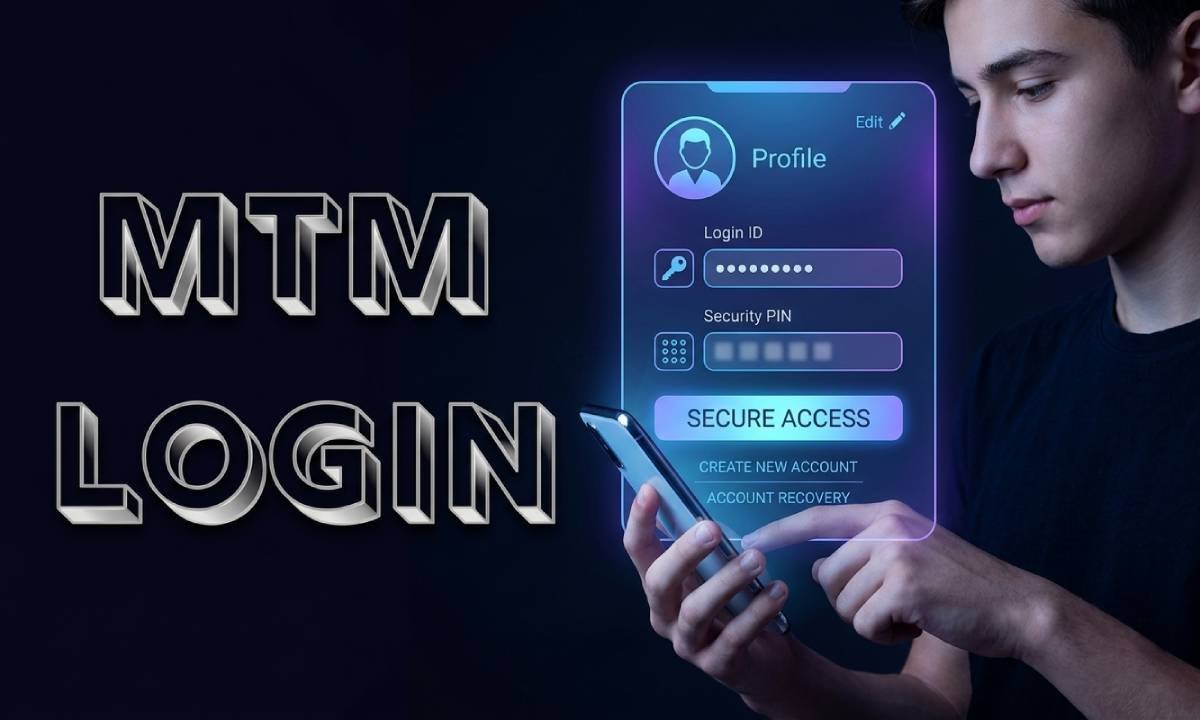
In today’s digital world, online portals make it easier to manage services, track activities, and access important information from anywhere. One such portal that many users rely on is MTM Login, which serves as the gateway to a platform designed to help users securely access their accounts and manage their information efficiently. Whether someone is checking updates, managing records, or accessing specific services, the login system plays a central role in the entire experience.
Understanding how MTM Login works is important for both new and experienced users. Many people encounter questions such as how to sign in, what to do if they forget their credentials, and how to keep their account safe. When users understand the system properly, they can avoid common problems and make full use of the platform’s tools.
This detailed guide explores everything related to MTM Login—from the basics of accessing an account to troubleshooting common issues. Along the way, it explains features, benefits, and security practices so users can navigate the platform with confidence.
Understanding the MTM Platform
Before exploring the login process, it helps to understand what the MTM platform is and why it exists. MTM platforms are typically designed to give users a centralized digital environment where they can access services, track activities, or manage information connected to a specific organization or system.
Many modern organizations rely on portals like MTM because they simplify communication and reduce paperwork. Instead of visiting offices or sending multiple emails, users can log in to one secure account and find everything they need in one place.
The platform may include dashboards, personal profiles, notifications, and service management tools. These features make it easier for users to stay informed and maintain control over their data.
Will you Check This Article: Rejekibet: A Complete Guide to the Popular Online Betting Platform
Quick Overview of the MTM System
| Feature | Description |
|---|---|
| Platform Purpose | Provides a centralized online access portal |
| Account Access | Secure login with username and password |
| Dashboard | Displays personal data, updates, and services |
| Accessibility | Can be accessed through web browsers |
| Security | Protected through authentication systems |
This structure helps ensure users have a consistent and secure experience whenever they access the platform.
How the MTM Login System Works
At its core, the MTM Login system acts as a security checkpoint that verifies a user’s identity before granting access to their account. Without this step, personal information and account functions could be exposed to unauthorized users.
When someone enters their username and password, the system checks the credentials against stored records. If the details match, the user is granted entry to their dashboard. If the information is incorrect, access is denied and the user may be prompted to try again.
Most modern login systems also include extra layers of protection such as verification codes, security questions, or account recovery options. These steps ensure that even if a password is compromised, the account remains protected.
For regular users, this process usually takes only a few seconds. However, behind the scenes, sophisticated systems are working to verify identities and keep data secure.
Step-by-Step Guide to MTM Login
Accessing an account through the MTM portal is typically a straightforward process. Users only need an internet connection and their login credentials.
Step 1: Visit the Official Portal
Open a web browser and navigate to the official MTM portal. The homepage usually displays a login form where users can enter their credentials.
Step 2: Enter Username or Email
Users must provide the registered username or email address associated with their account. This identifies the specific account the system should access.
Step 3: Input Password
The password is the security key that confirms the user’s identity. For safety, passwords appear as hidden characters while typing.
Step 4: Submit Login Request
After entering both credentials, the user clicks the login button. The system verifies the information and either grants access or requests corrections.
Step 5: Access the Dashboard
Once verified, the user is redirected to their dashboard where they can view information, manage services, or update account details.
This entire process is designed to be quick while still maintaining strong security standards.
Key Features Available After Logging In
The MTM platform usually provides several useful features that become available after a successful login. These tools help users interact with the system more efficiently.
One of the most important features is the personal dashboard. This area serves as the central hub where users can see account activity, updates, and available services.
Another major feature is account management. Users can edit personal details, update passwords, and adjust preferences whenever needed.
Many portals also include notifications or alerts that inform users about updates or important actions. This ensures that users remain informed without needing to constantly check multiple sources.
Finally, some MTM platforms offer integrated tools that allow users to complete tasks directly within the system, making the platform more convenient and efficient.
Benefits of Using the MTM Login Portal
Digital portals like MTM provide several advantages compared with traditional offline processes. These benefits explain why organizations increasingly adopt such systems.
First, the login portal allows users to access their accounts anytime. This flexibility means tasks can be completed without waiting for office hours or contacting support teams.
Second, it improves organization and record management. Instead of storing paperwork or scattered files, users can keep everything in one digital space.
Third, the system enhances communication between users and the organization behind the platform. Updates, notices, and service information can be delivered quickly and clearly.
Finally, digital access helps reduce delays and improves overall efficiency. Tasks that once took days can often be completed within minutes through an online portal.
Security Practices for Safe Account Access
Security plays a crucial role in any login system. Users must take certain precautions to ensure their accounts remain protected.
Strong passwords are the first line of defense. A good password usually combines letters, numbers, and symbols, making it difficult to guess.
Users should also avoid sharing login credentials with others. Even trusted individuals may unintentionally compromise account security.
Another helpful practice is logging out after using public or shared computers. This prevents others from accessing the account once the user leaves the device.
Key safety practices include:
- Use unique passwords and update them regularly
- Avoid accessing accounts on unsecured networks
These simple habits significantly reduce the chances of unauthorized access.
Common MTM Login Problems and Solutions
Although login systems are generally reliable, users sometimes encounter issues when trying to access their accounts. Understanding common problems can make troubleshooting easier.
One frequent issue is incorrect credentials. This usually happens when users mistype their username or password. Carefully re-entering the information often resolves the problem.
Another common issue involves forgotten passwords. Fortunately, most platforms include a password recovery option. By verifying identity through email or another method, users can reset their password and regain access.
Browser problems can also prevent successful login attempts. Clearing browser cache or switching to another browser may solve the issue.
Finally, system maintenance or temporary outages can sometimes cause login delays. In such cases, waiting a short time and trying again usually resolves the problem.
MTM Login for Mobile and Remote Access
Many users today prefer accessing digital platforms through smartphones or tablets. The MTM portal often supports mobile access through responsive design or dedicated applications.
Mobile compatibility ensures that the interface adjusts automatically to different screen sizes. This allows users to navigate menus, check updates, and manage accounts easily even on smaller devices.
Remote access also benefits professionals or individuals who travel frequently. They can check their accounts from any location without needing specialized equipment.
For example, a user working remotely might log in during a break to review updates or submit information. This flexibility helps maintain productivity while reducing dependence on physical offices.
Comparing Traditional Access vs Online Portal Access
To better understand the advantages of the login system, it helps to compare traditional methods with modern digital access.
| Feature | Traditional Method | MTM Online Portal |
|---|---|---|
| Access Time | Limited to office hours | Available anytime |
| Communication | Phone or in-person | Instant digital updates |
| Record Storage | Physical documents | Digital records |
| Processing Speed | Often slow | Usually immediate |
This comparison shows how online systems streamline processes and provide greater convenience for users.
The Future of Secure Login Systems
Login portals continue to evolve as technology advances. Many systems are now integrating additional authentication methods such as verification codes, biometric identification, or device recognition.
These innovations make platforms more secure while also simplifying the user experience. Instead of remembering complex passwords, users may eventually rely on fingerprint scans or facial recognition.
In addition, improved interface design ensures that platforms remain accessible even for users who are not technically experienced. Clear navigation and simplified dashboards help users perform tasks quickly.
As digital services expand, login systems like MTM will likely remain an essential part of secure online interaction.
Conclusion
The MTM Login portal serves as the gateway to a digital platform designed to provide secure and convenient account access. By verifying user identity, the system protects sensitive information while allowing individuals to manage services, track updates, and maintain their records efficiently.
Throughout this guide, we explored how the platform works, how users can sign in successfully, and what features become available after login. We also examined common login problems, security practices, and the advantages of digital account access compared with traditional methods.
For users who depend on the MTM portal, understanding the login process and account management tools can make daily tasks much easier. With proper security habits and familiarity with the system, individuals can enjoy a smooth and reliable experience whenever they access their accounts.
Read More: Parkmagazineny.co.uk

WhatsStatus Guide: Features, Uses & Powerful Status Insights

Upgameklng Mastery Guide: Strategies, Growth, and Future Insights

Poption Explained: Powerful Insights for Smart Decision Making

Is Elizabeth Rizzini Still Married? The Truth About Her Relationship Status

Mark McCann Net Worth: The Real Story Behind His Wealth, Business Empire & Success

Andrew Frankel: The Private Billionaire Behind the Spotlight
-
 Travel1 day ago
EasyJet Flight Diverted After Stag Party Chaos: Inside the Incident That Shocked Passengers
-
 Blog1 day ago
Riverbank Collapse at Iford Playing Fields: What Really Happened and Why It Matters
-
Tech1 day ago
Enginurity: The Powerful Fusion of Engineering and Ingenuity Shaping the Future
-
 Celebrity1 day ago
Phyllis Fierro: The Woman Behind the New Edition Legend
-
 Celebrity1 day ago
Mickey Rourke Young: Inside the Powerful Early Years of a Hollywood Legend
-
 Celebrity1 day ago
James Haggar Director: A Deep Look into His Leadership, Vision, and Industry Impact
-
 Celebrity1 day ago
Eduardo Hagn: Vision, Influence, and the Path of a Modern Innovator
-
 Celebrity1 day ago
Don Toliver Height, Biography, and Rise to Global Stardom