Food & Drinks
Bjudlunch: Meaning, Culture, and Social Dining Tradition

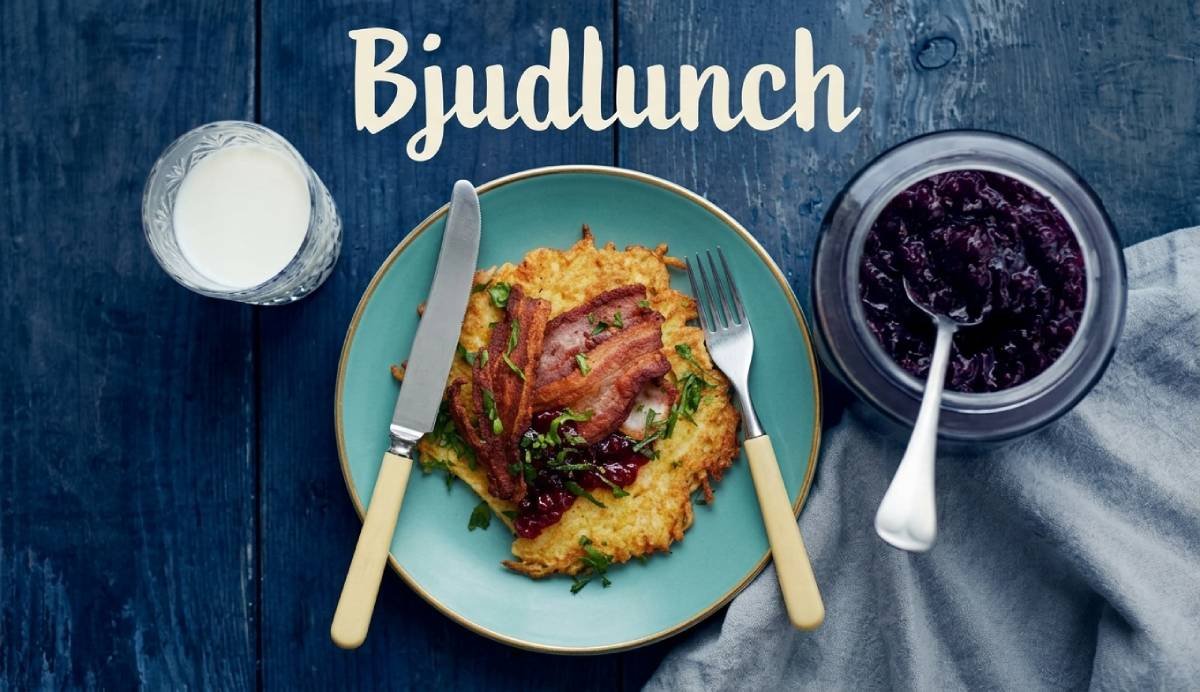
A Bjudlunch is more than just a simple meal; it’s a social gesture that reflects generosity, connection, and shared experiences. The word comes from Swedish culture and refers to a lunch that someone offers or pays for as a treat. Whether it’s between friends, colleagues, or business partners, a Bjudlunch creates a relaxed environment where conversation flows naturally and relationships deepen. In many ways, it turns an ordinary midday meal into a meaningful social ritual.
In today’s busy world, small gestures like inviting someone to lunch can strengthen personal and professional ties. A Bjudlunch is not about luxury or extravagance; it’s about hospitality and goodwill. This article explores the meaning, traditions, etiquette, and modern relevance of Bjudlunch, along with practical examples of how it’s used in everyday life.
Understanding the Concept of Bjudlunch
The term Bjudlunch comes from two words that together imply offering or inviting someone to lunch as a treat. It’s a common social practice where one person takes the initiative to host and pay for the meal. This act signals appreciation, friendship, or even a desire to build stronger connections.
Unlike formal dinners or planned celebrations, a Bjudlunch is usually simple and relaxed. It often takes place during a workday or casual outing. The host typically chooses the location and extends the invitation in a friendly way. This makes the experience feel natural rather than forced.
In many cultures, sharing food is a universal way to bond. A Bjudlunch fits perfectly into this tradition by combining hospitality with everyday routines. Instead of scheduling a large event, people can connect over a simple meal.
Will You Check This Article: Chief Technical Examiner: Roles, Skills, and Career Path
Cultural Roots of Bjudlunch
Social Generosity and Hospitality
The idea behind a Bjudlunch is rooted in generosity. Offering lunch shows kindness and a willingness to share. It’s a small but meaningful gesture that communicates respect and appreciation without needing grand words.
In Scandinavian traditions, hospitality often emphasizes equality and comfort. A Bjudlunch reflects these values by focusing on togetherness rather than formality. The emphasis is on enjoying each other’s company rather than impressing guests.
This cultural mindset makes the experience warm and welcoming. Even a modest meal can feel special when shared with genuine intent.
Everyday Social Traditions
Many people associate celebrations with food, but everyday meals can also carry meaning. A Bjudlunch turns an ordinary day into a shared experience. It’s often used to celebrate small achievements, welcome someone new, or simply spend time together.
For example, a colleague might invite a new team member to lunch as a friendly introduction. A friend might offer a Bjudlunch to catch up after a long time apart. These small moments create lasting memories.
Because of its informal nature, the tradition remains flexible and easy to adapt. Anyone can host a Bjudlunch without extensive planning or expense.
Occasions for a Bjudlunch
A Bjudlunch can take place in many different situations. It’s not limited to one setting or purpose. Instead, it adapts to the needs of the people involved.
Here are some common occasions where a Bjudlunch is appropriate:
- Welcoming a new colleague or friend
- Celebrating small achievements
- Strengthening professional relationships
- Reconnecting with old friends
- Showing appreciation or gratitude
Each occasion brings its own tone, but the central idea remains the same: sharing a meal as a gesture of goodwill.
Bjudlunch in Professional Settings
Building Workplace Relationships
In professional environments, lunch meetings often feel more relaxed than formal discussions. A Bjudlunch creates a comfortable space where ideas can be shared freely. This helps build trust and understanding among colleagues.
When a manager hosts a Bjudlunch, it can make team members feel valued. When coworkers invite each other, it strengthens collaboration. The act of sharing food naturally encourages open conversation.
These lunches often lead to stronger teamwork because people feel more connected. Even simple conversations during lunch can improve workplace morale.
Informal Networking
Professional connections don’t always require formal meetings. A Bjudlunch provides a casual setting where relationships can develop naturally. Instead of focusing solely on work topics, participants can talk about shared interests and experiences.
This relaxed environment helps reduce tension. It also allows people to express themselves more openly. Over time, these connections can lead to meaningful collaborations.
A Bjudlunch works particularly well because it feels genuine. It shows effort without being overly formal or structured.
Social Etiquette for a Bjudlunch
Understanding the etiquette of a Bjudlunch ensures that everyone feels comfortable. While the tradition is informal, a few simple guidelines can make the experience smoother.
Being a Good Host
The host usually takes responsibility for planning and paying for the meal. This includes choosing a suitable location and making sure the guest feels welcome.
A thoughtful host considers dietary preferences and schedules. Even small details, like arriving on time, show respect and care.
The goal is to create a pleasant atmosphere where everyone can relax and enjoy the meal.
Being a Gracious Guest
Guests also play an important role in making the lunch enjoyable. Expressing appreciation is always a good idea. A simple thank-you shows respect for the host’s gesture.
Sometimes guests may offer to pay their share, but the host often insists on covering the meal. Accepting graciously is usually the best response.
Good conversation and a positive attitude contribute to the overall experience.
Comparing Bjudlunch to Other Social Meals
Not all shared meals carry the same meaning. A Bjudlunch has its own unique characteristics that set it apart from other gatherings.
| Meal Type | Purpose | Formality | Who Pays |
|---|---|---|---|
| Bjudlunch | Social or friendly treat | Casual | Host |
| Business Lunch | Work discussion | Moderate | Often shared |
| Dinner Party | Celebration or hosting | Formal | Host |
| Coffee Meetup | Quick conversation | Casual | Usually separate |
This comparison highlights how a Bjudlunch balances generosity with simplicity. It’s less formal than a dinner party but more intentional than a quick coffee.
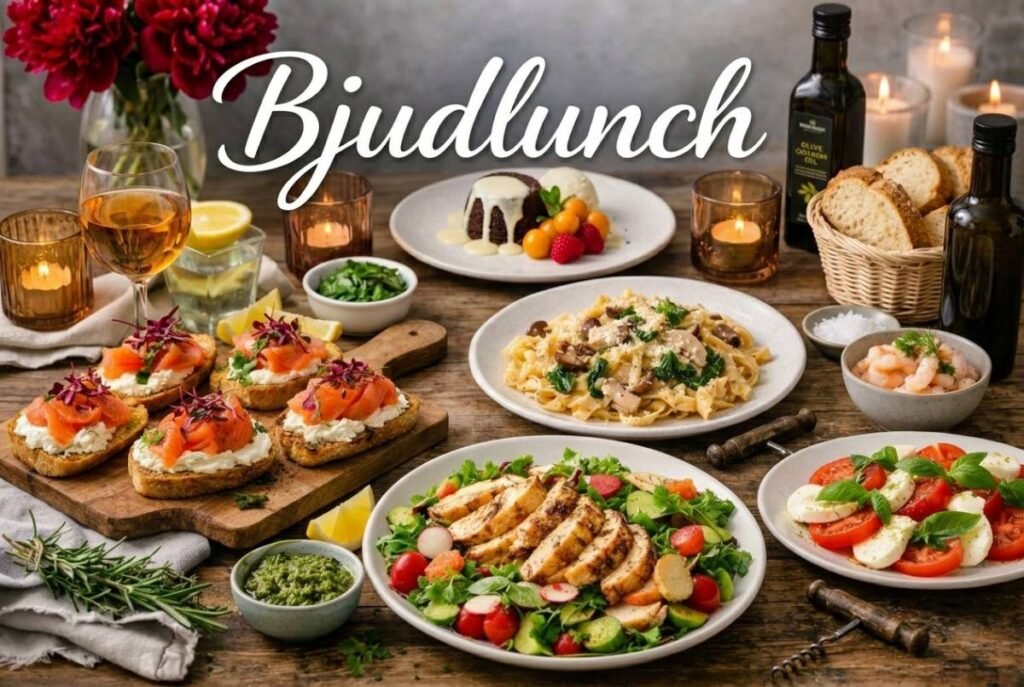
Planning a Memorable Bjudlunch
Choosing the Right Location
The location plays a big role in the overall experience. A quiet and comfortable place makes conversation easier. It doesn’t need to be expensive; what matters most is the atmosphere.
Some people prefer cozy cafés, while others choose casual restaurants. Outdoor seating can also create a pleasant environment on a nice day.
The best choice depends on the preferences of the guest. Considering their comfort shows thoughtfulness.
Creating a Welcoming Atmosphere
A good Bjudlunch feels relaxed and enjoyable. Simple gestures, like friendly conversation and genuine interest, make a big difference.
Hosts can start with light topics before moving into deeper discussions. This helps everyone feel at ease. A natural flow of conversation keeps the meal engaging.
Even small details, like a warm greeting or a sincere smile, contribute to the experience.
Modern Interpretations of Bjudlunch
Adapting to Busy Lifestyles
Today’s fast-paced schedules have changed how people socialize. Despite this, the idea of a Bjudlunch remains relevant. It fits easily into a workday and doesn’t require extensive planning.
Many people use lunch breaks as opportunities to connect. This makes the tradition practical as well as meaningful. Even a short lunch can create lasting impressions.
Modern technology also makes it easier to arrange lunches. Quick messages and calendar invites help people coordinate their schedules.
Digital Invitations and Coordination
Inviting someone to a Bjudlunch is now simpler than ever. A quick message or email can set everything in motion. This convenience makes the tradition more accessible.
Despite these changes, the core idea remains the same. The focus is still on sharing a meal and building connections.
Technology supports the tradition without replacing its personal touch.
Benefits of a Bjudlunch
A Bjudlunch offers several meaningful benefits that go beyond the meal itself.
It encourages communication by creating a relaxed setting. People often feel more comfortable talking over food than in formal environments. This leads to more genuine interactions.
It also strengthens relationships. Sharing a meal builds trust and understanding. Over time, these connections become more meaningful.
Another benefit is emotional well-being. Social interactions can reduce stress and improve mood. A simple lunch invitation can brighten someone’s day.
These advantages make the tradition valuable in both personal and professional life.
Real-Life Example of a Bjudlunch
Imagine a new employee joining a team. On their first week, a colleague invites them to lunch. The invitation feels welcoming and thoughtful.
During the meal, they talk about hobbies, interests, and work experiences. The new employee feels more comfortable and confident afterward.
This simple act of hosting a Bjudlunch helps the newcomer feel included. It sets the stage for a positive working relationship.
Small gestures like this often have lasting effects. They show that kindness doesn’t have to be complicated.
Why Bjudlunch Still Matters Today
In a world where communication often happens through screens, shared meals remain powerful. A Bjudlunch brings people together in a meaningful way.
It encourages face-to-face interaction and genuine conversation. These moments help strengthen connections that might otherwise remain distant.
The simplicity of the tradition makes it accessible to everyone. Anyone can invite someone to lunch and create a positive experience.
This timeless quality ensures that the tradition continues to thrive.
Conclusion
A Bjudlunch represents more than just a meal; it’s a gesture of kindness and connection. By inviting someone to lunch and covering the cost, the host creates an opportunity for meaningful interaction. This simple tradition strengthens relationships, improves communication, and fosters goodwill in both personal and professional settings.
The beauty of a Bjudlunch lies in its simplicity. It doesn’t require elaborate planning or expensive arrangements. All it takes is a willingness to share time and conversation over a meal.
By embracing this tradition, anyone can create positive experiences and lasting memories. A small invitation to lunch can make a big difference in building stronger connections.
Read More: Dollartimes.co.uk


Bjudlunch: Meaning, Culture, and Social Dining Tradition

Chief Technical Examiner: Roles, Skills, and Career Path

Dentiloquent: Meaning, Origins, and Modern Usage Guide

Is Elizabeth Rizzini Still Married? The Truth About Her Relationship Status

Mark McCann Net Worth: The Real Story Behind His Wealth, Business Empire & Success

Andrew Frankel: The Private Billionaire Behind the Spotlight
-

 Law3 days ago
Cnlawblog: A Modern Platform for Legal Knowledge
-

 Celebrity3 days ago
Jon Eicholtz: Life and Legacy of a Real Estate Visionary Icon
-

 Health & Fitness4 days ago
Gynecube: Smart Innovation in Women’s Health Testing
-

 Tech3 days ago
Getapkmarkets.com Guide to Apps and Safe Downloads Online
-

 Tech3 days ago
EO PIS: Complete Guide to Meaning and Uses Today
-

 Celebrity3 days ago
Jennifer Misner: Life, Career, and Lasting Influence
-

 Celebrity1 week ago
Phyllis Potter: The Life Behind Fred Astaire’s Love
-

 Celebrity6 days ago
Shirley Kyles: Strength, Faith, and Life Beyond Fame