
Food & Drinks
Toastul: The Modern Art of Meaningful Celebration


Introduction
Celebrations have always been part of human life. From weddings and birthdays to achievements and reunions, people look for meaningful ways to express gratitude, joy, and connection. One concept that has quietly emerged in modern conversations around celebration and social bonding is Toastul. While the idea feels contemporary, its roots connect deeply with centuries-old traditions of raising a glass, sharing kind words, and honoring moments that matter.
Toastul represents more than a simple toast at a gathering. It reflects a thoughtful approach to celebrating people, milestones, and shared experiences in a way that feels authentic and memorable. Whether in a formal event, an intimate dinner, or a virtual gathering, the idea behind Toastul encourages meaningful expression and genuine appreciation.
In this article, we will explore what Toastul means, where the concept comes from, why it resonates with modern audiences, and how it can transform everyday celebrations into unforgettable moments. By the end, readers will understand the deeper cultural significance of Toastul and how to apply its principles in real-life situations.
Will You Check This Article: Berniece Julien: The Private Life Behind Tyson Beckford
Understanding Toastul: Meaning and Cultural Context
What Is Toastul?
At its core, Toastul refers to the intentional act of celebrating people or milestones through heartfelt words and shared acknowledgment. Unlike casual toasts that sometimes feel rushed or routine, Toastul emphasizes sincerity, storytelling, and emotional connection.
The term blends the traditional idea of “toasting” with a broader philosophy of appreciation. In this sense, Toastul is less about the drink in your hand and more about the message you deliver. It transforms a simple gesture into a memorable experience.
When practiced thoughtfully, Toastul turns a brief speech or gesture into a meaningful tribute that strengthens relationships and builds lasting memories.
The Roots of the Toasting Tradition
The spirit of Toastul can be traced back to ancient cultures where raising a cup symbolized unity and goodwill. In ancient Greece and Rome, hosts would drink first to show their guests the drink was safe. Over time, the act evolved into a ceremonial gesture that honored friendship and celebration.
Many cultures developed their own traditions around this practice. Weddings, banquets, and public celebrations often included a speaker who offered words of praise or gratitude.
Toastul builds on these historical traditions but adapts them for modern social life, where authenticity and emotional sincerity are valued more than formal ceremony.
Why Toastul Matters in Modern Celebrations
Reintroducing Meaning into Social Moments
In today’s fast-paced world, celebrations can sometimes feel rushed or superficial. People gather, take photos, share quick congratulations, and move on. While these moments still hold value, they may lack the deeper emotional connection that makes memories truly lasting.
Toastul reintroduces intentionality into celebrations. It encourages participants to pause and reflect on why the moment matters.
Instead of generic congratulations, the speaker shares a meaningful message. Stories, personal reflections, and genuine appreciation become central to the experience.
Strengthening Relationships Through Words
Words carry emotional weight. A thoughtful message delivered during a celebration can deepen friendships, strengthen family bonds, and even inspire those present.
Toastul encourages speakers to focus on shared memories, admirable qualities, and hopes for the future. These elements make the moment personal rather than ceremonial.
When done well, a Toastul moment can become one of the most memorable parts of an event.
Key Elements That Define a Great Toastul
Not every toast qualifies as Toastul. The concept relies on several important elements that elevate the experience from routine to meaningful.
Authenticity
Authenticity is the heart of Toastul. Listeners can easily sense when words come from genuine emotion rather than obligation.
A sincere message, even if simple, often resonates far more than a long speech filled with clichés.
Storytelling
Stories help people connect emotionally. Instead of listing compliments, a Toastul moment often includes a short anecdote that illustrates the character or journey of the person being honored.
For example, recalling a shared challenge or a humorous memory can bring warmth and authenticity to the message.
Positive Intent
Toastul always focuses on appreciation, encouragement, or celebration. The tone should uplift the audience and highlight meaningful qualities in the person or occasion being honored.
Brevity with Impact
A powerful Toastul does not need to be long. Clear, heartfelt words delivered confidently often leave a stronger impression than lengthy speeches.
Situations Where Toastul Shines
The beauty of Toastul lies in its flexibility. It can be applied in many different situations, from traditional events to modern gatherings.
Weddings and Engagement Celebrations
Weddings remain one of the most common settings for meaningful toasts. A Toastul moment during a wedding reception often highlights the couple’s journey, their shared values, and the love that surrounds them.
These messages create emotional highlights that guests remember long after the event ends.
Professional Achievements
Workplace celebrations often focus on promotions, retirements, or team accomplishments. Incorporating the Toastul approach can transform routine recognition into a heartfelt tribute to dedication and effort.
A well-delivered message can boost morale and strengthen workplace relationships.
Birthdays and Personal Milestones
Milestones such as birthdays, anniversaries, and graduations provide ideal opportunities for Toastul. Instead of generic greetings, participants can reflect on the individual’s growth, personality, and future potential.
This approach turns ordinary celebrations into meaningful moments of appreciation.
Comparing Traditional Toasts and the Toastul Approach
| Aspect | Traditional Toast | Toastul Approach |
|---|---|---|
| Purpose | Formal acknowledgment | Meaningful appreciation |
| Tone | Often ceremonial | Personal and heartfelt |
| Content | General compliments | Stories and reflections |
| Emotional Impact | Moderate | Strong and memorable |
| Audience Connection | Limited | Deep engagement |
This comparison highlights how Toastul emphasizes emotional authenticity and personal connection over formal structure.
How to Create a Memorable Toastul Moment
Start With a Personal Connection
A powerful Toastul begins with a genuine connection to the person or event being celebrated. Think about shared experiences, memorable moments, or qualities that stand out.
Beginning with a relatable story immediately captures attention.
Keep the Message Clear and Focused
The strongest messages are simple. Focus on one central idea or theme rather than trying to cover everything.
For example, you might highlight the person’s resilience, kindness, or sense of humor.
Speak Naturally
The delivery matters just as much as the words. Speaking naturally helps maintain authenticity and allows the audience to feel the emotion behind the message.
Even if the speech is prepared, it should sound conversational rather than rehearsed.
End With a Positive Wish
A Toastul moment often concludes with a hopeful or encouraging message. This closing note reinforces the celebration and leaves the audience with a sense of optimism.
Toastul in the Digital Age
Modern technology has changed how people gather and celebrate. Virtual meetings, online parties, and video messages have become common ways to connect with friends and colleagues around the world.
Interestingly, the principles of Toastul translate well into digital spaces.
A heartfelt message shared during a video call or recorded tribute can still carry emotional impact. In fact, digital gatherings often highlight the importance of meaningful words even more because physical presence is limited.
As global communication continues to evolve, Toastul provides a simple yet powerful way to maintain human connection.
A Real-Life Example of Toastul in Action
Consider a graduation celebration where friends and family gather to honor a student’s achievement.
Instead of offering a generic congratulatory message, the speaker shares a short story about the graduate’s determination during a difficult semester. The story highlights perseverance and growth.
The speaker then expresses pride in the graduate’s accomplishments and offers encouragement for the journey ahead.
The result is a Toastul moment that feels sincere, memorable, and emotionally meaningful for everyone present.
Conclusion
Toastul represents a modern interpretation of a timeless tradition. While the act of raising a glass has existed for centuries, the philosophy behind Toastul places greater emphasis on authenticity, storytelling, and emotional connection.
By encouraging thoughtful expression and genuine appreciation, Toastul transforms ordinary celebrations into meaningful experiences. Whether at a wedding, birthday, professional event, or digital gathering, the principles of Toastul help people connect on a deeper level.
In a world where moments often pass quickly, taking the time to share sincere words can create memories that last for years. Practicing Toastul is not about perfect speeches or elaborate performances. It is about honoring people and milestones with honesty, warmth, and gratitude.
Anyone can embrace this approach. All it takes is a few heartfelt words and the willingness to celebrate others in a meaningful way.
Read More: Lumerink.com

A Bjudlunch is more than just a simple meal; it’s a social gesture that reflects generosity, connection, and shared experiences. The word comes from Swedish culture and refers to a lunch that someone offers or pays for as a treat. Whether it’s between friends, colleagues, or business partners, a Bjudlunch creates a relaxed environment where conversation flows naturally and relationships deepen. In many ways, it turns an ordinary midday meal into a meaningful social ritual.
In today’s busy world, small gestures like inviting someone to lunch can strengthen personal and professional ties. A Bjudlunch is not about luxury or extravagance; it’s about hospitality and goodwill. This article explores the meaning, traditions, etiquette, and modern relevance of Bjudlunch, along with practical examples of how it’s used in everyday life.
Understanding the Concept of Bjudlunch
The term Bjudlunch comes from two words that together imply offering or inviting someone to lunch as a treat. It’s a common social practice where one person takes the initiative to host and pay for the meal. This act signals appreciation, friendship, or even a desire to build stronger connections.
Unlike formal dinners or planned celebrations, a Bjudlunch is usually simple and relaxed. It often takes place during a workday or casual outing. The host typically chooses the location and extends the invitation in a friendly way. This makes the experience feel natural rather than forced.
In many cultures, sharing food is a universal way to bond. A Bjudlunch fits perfectly into this tradition by combining hospitality with everyday routines. Instead of scheduling a large event, people can connect over a simple meal.
Will You Check This Article: Chief Technical Examiner: Roles, Skills, and Career Path
Cultural Roots of Bjudlunch
Social Generosity and Hospitality
The idea behind a Bjudlunch is rooted in generosity. Offering lunch shows kindness and a willingness to share. It’s a small but meaningful gesture that communicates respect and appreciation without needing grand words.
In Scandinavian traditions, hospitality often emphasizes equality and comfort. A Bjudlunch reflects these values by focusing on togetherness rather than formality. The emphasis is on enjoying each other’s company rather than impressing guests.
This cultural mindset makes the experience warm and welcoming. Even a modest meal can feel special when shared with genuine intent.
Everyday Social Traditions
Many people associate celebrations with food, but everyday meals can also carry meaning. A Bjudlunch turns an ordinary day into a shared experience. It’s often used to celebrate small achievements, welcome someone new, or simply spend time together.
For example, a colleague might invite a new team member to lunch as a friendly introduction. A friend might offer a Bjudlunch to catch up after a long time apart. These small moments create lasting memories.
Because of its informal nature, the tradition remains flexible and easy to adapt. Anyone can host a Bjudlunch without extensive planning or expense.
Occasions for a Bjudlunch
A Bjudlunch can take place in many different situations. It’s not limited to one setting or purpose. Instead, it adapts to the needs of the people involved.
Here are some common occasions where a Bjudlunch is appropriate:
- Welcoming a new colleague or friend
- Celebrating small achievements
- Strengthening professional relationships
- Reconnecting with old friends
- Showing appreciation or gratitude
Each occasion brings its own tone, but the central idea remains the same: sharing a meal as a gesture of goodwill.
Bjudlunch in Professional Settings
Building Workplace Relationships
In professional environments, lunch meetings often feel more relaxed than formal discussions. A Bjudlunch creates a comfortable space where ideas can be shared freely. This helps build trust and understanding among colleagues.
When a manager hosts a Bjudlunch, it can make team members feel valued. When coworkers invite each other, it strengthens collaboration. The act of sharing food naturally encourages open conversation.
These lunches often lead to stronger teamwork because people feel more connected. Even simple conversations during lunch can improve workplace morale.
Informal Networking
Professional connections don’t always require formal meetings. A Bjudlunch provides a casual setting where relationships can develop naturally. Instead of focusing solely on work topics, participants can talk about shared interests and experiences.
This relaxed environment helps reduce tension. It also allows people to express themselves more openly. Over time, these connections can lead to meaningful collaborations.
A Bjudlunch works particularly well because it feels genuine. It shows effort without being overly formal or structured.
Social Etiquette for a Bjudlunch
Understanding the etiquette of a Bjudlunch ensures that everyone feels comfortable. While the tradition is informal, a few simple guidelines can make the experience smoother.
Being a Good Host
The host usually takes responsibility for planning and paying for the meal. This includes choosing a suitable location and making sure the guest feels welcome.
A thoughtful host considers dietary preferences and schedules. Even small details, like arriving on time, show respect and care.
The goal is to create a pleasant atmosphere where everyone can relax and enjoy the meal.
Being a Gracious Guest
Guests also play an important role in making the lunch enjoyable. Expressing appreciation is always a good idea. A simple thank-you shows respect for the host’s gesture.
Sometimes guests may offer to pay their share, but the host often insists on covering the meal. Accepting graciously is usually the best response.
Good conversation and a positive attitude contribute to the overall experience.
Comparing Bjudlunch to Other Social Meals
Not all shared meals carry the same meaning. A Bjudlunch has its own unique characteristics that set it apart from other gatherings.
| Meal Type | Purpose | Formality | Who Pays |
|---|---|---|---|
| Bjudlunch | Social or friendly treat | Casual | Host |
| Business Lunch | Work discussion | Moderate | Often shared |
| Dinner Party | Celebration or hosting | Formal | Host |
| Coffee Meetup | Quick conversation | Casual | Usually separate |
This comparison highlights how a Bjudlunch balances generosity with simplicity. It’s less formal than a dinner party but more intentional than a quick coffee.
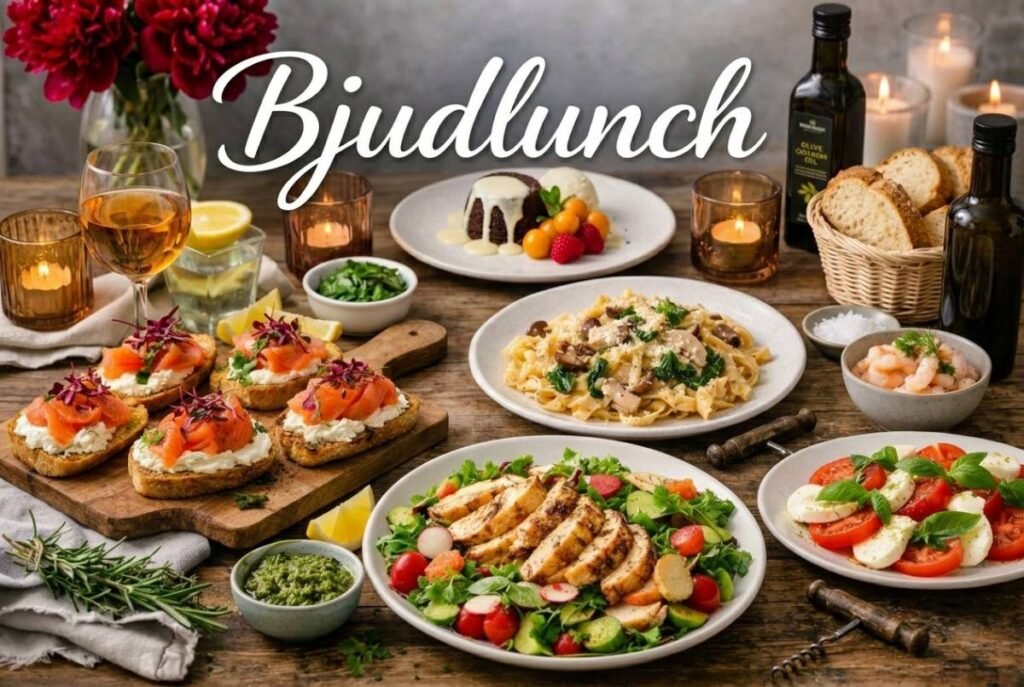
Planning a Memorable Bjudlunch
Choosing the Right Location
The location plays a big role in the overall experience. A quiet and comfortable place makes conversation easier. It doesn’t need to be expensive; what matters most is the atmosphere.
Some people prefer cozy cafés, while others choose casual restaurants. Outdoor seating can also create a pleasant environment on a nice day.
The best choice depends on the preferences of the guest. Considering their comfort shows thoughtfulness.
Creating a Welcoming Atmosphere
A good Bjudlunch feels relaxed and enjoyable. Simple gestures, like friendly conversation and genuine interest, make a big difference.
Hosts can start with light topics before moving into deeper discussions. This helps everyone feel at ease. A natural flow of conversation keeps the meal engaging.
Even small details, like a warm greeting or a sincere smile, contribute to the experience.
Modern Interpretations of Bjudlunch
Adapting to Busy Lifestyles
Today’s fast-paced schedules have changed how people socialize. Despite this, the idea of a Bjudlunch remains relevant. It fits easily into a workday and doesn’t require extensive planning.
Many people use lunch breaks as opportunities to connect. This makes the tradition practical as well as meaningful. Even a short lunch can create lasting impressions.
Modern technology also makes it easier to arrange lunches. Quick messages and calendar invites help people coordinate their schedules.
Digital Invitations and Coordination
Inviting someone to a Bjudlunch is now simpler than ever. A quick message or email can set everything in motion. This convenience makes the tradition more accessible.
Despite these changes, the core idea remains the same. The focus is still on sharing a meal and building connections.
Technology supports the tradition without replacing its personal touch.
Benefits of a Bjudlunch
A Bjudlunch offers several meaningful benefits that go beyond the meal itself.
It encourages communication by creating a relaxed setting. People often feel more comfortable talking over food than in formal environments. This leads to more genuine interactions.
It also strengthens relationships. Sharing a meal builds trust and understanding. Over time, these connections become more meaningful.
Another benefit is emotional well-being. Social interactions can reduce stress and improve mood. A simple lunch invitation can brighten someone’s day.
These advantages make the tradition valuable in both personal and professional life.
Real-Life Example of a Bjudlunch
Imagine a new employee joining a team. On their first week, a colleague invites them to lunch. The invitation feels welcoming and thoughtful.
During the meal, they talk about hobbies, interests, and work experiences. The new employee feels more comfortable and confident afterward.
This simple act of hosting a Bjudlunch helps the newcomer feel included. It sets the stage for a positive working relationship.
Small gestures like this often have lasting effects. They show that kindness doesn’t have to be complicated.
Why Bjudlunch Still Matters Today
In a world where communication often happens through screens, shared meals remain powerful. A Bjudlunch brings people together in a meaningful way.
It encourages face-to-face interaction and genuine conversation. These moments help strengthen connections that might otherwise remain distant.
The simplicity of the tradition makes it accessible to everyone. Anyone can invite someone to lunch and create a positive experience.
This timeless quality ensures that the tradition continues to thrive.
Conclusion
A Bjudlunch represents more than just a meal; it’s a gesture of kindness and connection. By inviting someone to lunch and covering the cost, the host creates an opportunity for meaningful interaction. This simple tradition strengthens relationships, improves communication, and fosters goodwill in both personal and professional settings.
The beauty of a Bjudlunch lies in its simplicity. It doesn’t require elaborate planning or expensive arrangements. All it takes is a willingness to share time and conversation over a meal.
By embracing this tradition, anyone can create positive experiences and lasting memories. A small invitation to lunch can make a big difference in building stronger connections.
Read More: Dollartimes.co.uk

Janet Condra: The Untold Story Behind a Private Life

Toastul: The Modern Art of Meaningful Celebration

Berniece Julien: The Private Life Behind Tyson Beckford

Is Elizabeth Rizzini Still Married? The Truth About Her Relationship Status

Mark McCann Net Worth: The Real Story Behind His Wealth, Business Empire & Success

Andrew Frankel: The Private Billionaire Behind the Spotlight
-

 Celebrity1 week ago
Katy Davis Suffield: Life, Community Impact, and Story
-

 Entertainment1 week ago
Pelisfulltv: Exploring the Popular Online Movie Platform
-

 Blog1 week ago
Viltnemnda: Local Wildlife Governance in Norway Explained 2026
-

 Tech1 week ago
Cristher: Meaning, Origins, and Modern Significance
-

 Tech1 week ago
Auztron Bot: Complete Guide to Features and Real Uses
-

 Education1 week ago
Nova Scola: A Modern Vision for Transformative Learning
-

 Celebrity1 week ago
Chopenawer: Meaning, Origins, and Modern Significance
-

 Celebrity6 days ago
Jeremy Yaffe: Life, Family, and Quiet Hollywood Legacy