
Blog
Viltnemnda: Local Wildlife Governance in Norway Explained 2026

Introduction
Wildlife management is a delicate balancing act between nature, human activity, and long-term sustainability. In Norway, one of the key local institutions responsible for maintaining this balance is the Viltnemnda. The Viltnemnda plays a vital role in overseeing wildlife populations, regulating hunting practices, and ensuring that ecosystems remain healthy for future generations. Without this structured approach, conflicts between humans and wildlife could quickly spiral out of control.
Understanding how the Viltnemnda works helps explain how modern societies manage natural resources responsibly. From monitoring moose populations to addressing crop damage caused by deer, these local committees operate at the intersection of conservation and community life. This article explores the structure, responsibilities, and importance of the Viltnemnda, providing a clear and complete understanding of its role in Norwegian society.
What Is Viltnemnda?
The Viltnemnda is a municipal wildlife management committee found across local governments in Norway. Its main purpose is to oversee wildlife resources within a municipality and ensure that animals and habitats are managed sustainably. These committees are typically composed of locally appointed representatives who understand the region’s geography, ecology, and community needs.
Unlike national agencies that focus on large-scale environmental policies, the Viltnemnda operates at the local level. This allows it to respond quickly to issues such as animal population changes, hunting disputes, or wildlife-related damage to farms and forests. The committee acts as a bridge between national wildlife regulations and local implementation, ensuring that decisions reflect both scientific knowledge and practical realities.
The existence of the Viltnemnda demonstrates how decentralized governance can work effectively in environmental management. By placing responsibility in local hands, authorities can address wildlife challenges with precision and flexibility.
Will You Check This Article: Cristher: Meaning, Origins, and Modern Significance
Basic Structure and Organization
Each municipality typically forms its own Viltnemnda, with members appointed by the local council. These members often include individuals with experience in farming, forestry, hunting, or conservation. Their combined knowledge allows the committee to make balanced decisions that consider both environmental and economic factors.
The Viltnemnda operates under national guidelines but retains local decision-making authority. It works closely with organizations such as the Miljødirektoratet, which provides scientific data and regulatory frameworks. This cooperation ensures consistency across regions while allowing flexibility for local conditions.
Key Organizational Features
| Feature | Description |
|---|---|
| Local Authority | Operates at the municipal level |
| Members | Appointed by local government |
| Oversight | Guided by national wildlife laws |
| Focus | Sustainable wildlife management |
| Collaboration | Works with environmental agencies |
This structure ensures that wildlife management decisions are informed, practical, and responsive to local needs.
Responsibilities of the Viltnemnda
The Viltnemnda has a broad set of responsibilities that extend beyond simple wildlife observation. Its work touches agriculture, recreation, conservation, and public safety.
Wildlife Population Monitoring
One of the most important tasks is monitoring wildlife populations. This involves tracking animal numbers, migration patterns, and breeding success. By keeping accurate records, the committee can determine whether populations are growing too quickly or declining dangerously.
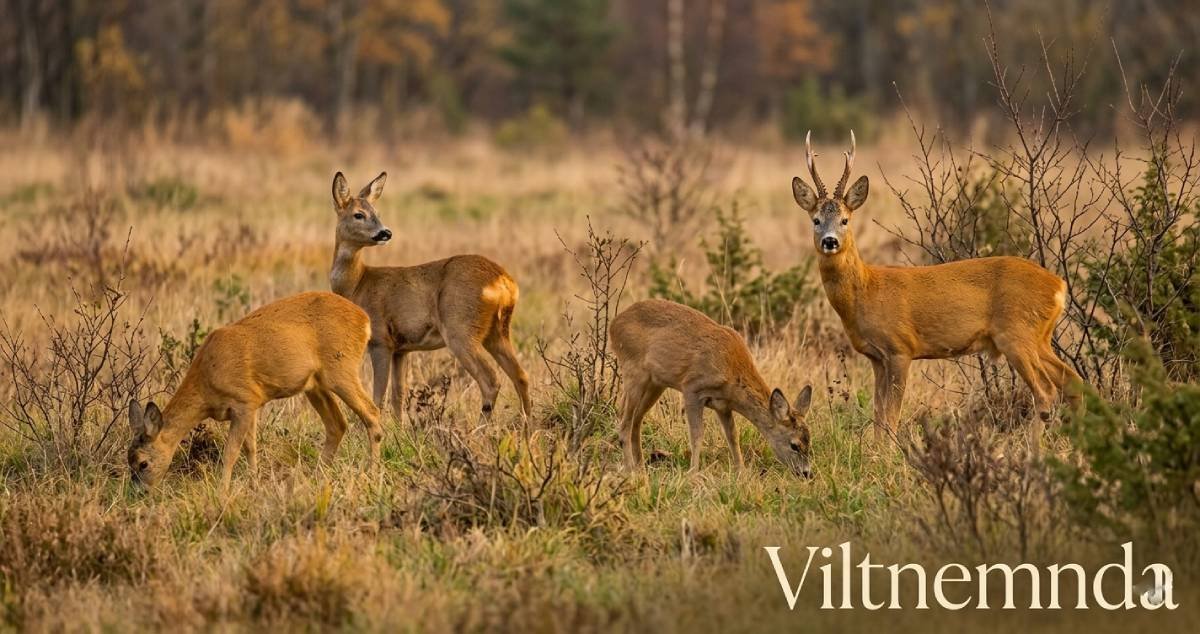
Population monitoring is especially important for large animals such as moose and deer. These species can significantly impact forests and farmland if their numbers become too high. At the same time, over-hunting can threaten long-term survival if not carefully controlled.
Hunting Regulation
The Viltnemnda plays a central role in managing hunting activities. It helps determine hunting quotas and ensures that hunting seasons align with ecological conditions. These decisions aim to maintain stable animal populations while supporting traditional hunting practices.
Hunters often rely on the committee’s guidance to understand local rules and expectations. This relationship fosters cooperation and helps prevent illegal or harmful hunting practices.
Habitat Protection
Wildlife depends on healthy habitats, and the Viltnemnda works to protect these environments. This includes preserving forests, wetlands, and migration corridors that animals rely on for survival.
Habitat protection often involves cooperation with landowners. The committee may recommend changes in land use or forestry practices to minimize environmental damage. These efforts ensure that wildlife has the resources needed to thrive.
Conflict Resolution
Human-wildlife conflicts are inevitable, especially in rural areas. Animals may damage crops, wander onto roads, or threaten livestock. The Viltnemnda helps resolve these conflicts by developing practical solutions.
For example, if deer frequently damage farmland, the committee might adjust hunting quotas or recommend fencing solutions. These measures aim to protect both wildlife and livelihoods.
The Role of Viltnemnda in Local Communities
The Viltnemnda is more than just a regulatory body. It is an integral part of community life in many municipalities. Its decisions directly affect farmers, hunters, landowners, and outdoor enthusiasts.
Local involvement helps build trust in wildlife management decisions. When people feel that their concerns are heard, they are more likely to support conservation efforts. This sense of shared responsibility strengthens community ties and promotes sustainable practices.
In many areas, the Viltnemnda also helps educate the public about wildlife. This might include informational meetings, school visits, or collaboration with local organizations. Education helps people understand the importance of conservation and encourages responsible behavior.
Viltnemnda and Sustainable Wildlife Management
Sustainability is at the heart of the Viltnemnda’s mission. The committee must balance ecological health with human needs, ensuring that wildlife populations remain stable over time.
Balancing Ecology and Economy
Wildlife management often involves trade-offs. For example, a large moose population may attract hunters and tourists but can also damage forests. The Viltnemnda must weigh these competing interests carefully.
By using scientific data and local knowledge, the committee can make informed decisions. This balanced approach helps ensure that wildlife remains a valuable resource rather than a source of conflict.
Long-Term Planning
Short-term solutions rarely work in wildlife management. The Viltnemnda focuses on long-term planning to maintain stable ecosystems. This might include multi-year population goals or habitat restoration projects.
Long-term planning requires patience and cooperation. Results may take years to become visible, but they provide lasting benefits for both people and nature.
Challenges Facing Viltnemnda
Despite its importance, the Viltnemnda faces several challenges. Changing environmental conditions and increasing human activity make wildlife management more complex than ever.
Climate Change
Climate change affects animal behavior, migration patterns, and food availability. These changes can make traditional management strategies less effective. The Viltnemnda must adapt quickly to new conditions.
Warmer winters, for example, may increase survival rates for some species. This can lead to rapid population growth and increased pressure on habitats.
Urban Expansion
As towns and cities expand, wildlife habitats shrink. Animals may be forced into closer contact with humans, increasing the risk of conflict. The Viltnemnda must find ways to manage wildlife in increasingly crowded landscapes.
Urban expansion also limits available habitat, making conservation efforts more challenging.
Limited Resources
Many committees operate with limited funding and personnel. This can make it difficult to conduct detailed studies or implement large-scale projects. Despite these limitations, the Viltnemnda continues to play a crucial role in wildlife management.
Decision-Making in Viltnemnda
Decision-making within the Viltnemnda typically involves careful discussion and consultation. Members review data, listen to community feedback, and consider national guidelines before reaching conclusions.
Transparency is an important part of this process. Meetings are often open to the public, and decisions are documented for accountability. This openness helps build trust and ensures that decisions are fair and well-informed.
The collaborative nature of the Viltnemnda allows different perspectives to be heard. Farmers, hunters, and conservationists may have different priorities, but the committee works to find common ground.
Why Viltnemnda Matters Today
The importance of the Viltnemnda has grown in recent years. As environmental challenges become more complex, local management becomes increasingly valuable. National policies alone cannot address the unique conditions found in each municipality.
Local committees provide the flexibility needed to respond quickly to changing conditions. This responsiveness helps prevent small problems from becoming major crises.
The Viltnemnda also serves as a model for community-based resource management. Its success demonstrates how local involvement can lead to effective and sustainable outcomes.
Conclusion
The Viltnemnda plays a vital role in managing wildlife at the local level in Norway. By monitoring animal populations, regulating hunting, protecting habitats, and resolving conflicts, it ensures that wildlife resources remain sustainable for future generations. Its work connects national policies with local realities, creating a balanced approach to conservation.
As environmental challenges continue to evolve, the importance of the Viltnemnda will only increase. Local knowledge, community involvement, and long-term planning make these committees an essential part of modern wildlife management. Understanding their role helps highlight the value of cooperation between people and nature.
Communities that support effective wildlife management benefit from healthier ecosystems and fewer conflicts. The Viltnemnda stands as a strong example of how thoughtful governance can protect natural resources while supporting human needs.
Read More: Lumerink.com

Introduction
In a fast-moving digital world filled with new ideas, identities, and creative platforms, Lwedninja has started to attract attention as a unique and evolving concept. Whether people encounter Lwedninja as a name, a persona, a platform, or a creative identity, the term sparks curiosity and invites exploration. It feels modern yet mysterious, simple yet layered with meaning. That combination is exactly why more individuals are beginning to ask what Lwedninja is and why it matters.
At its core, Lwedninja represents adaptability and innovation in a connected environment. It can be interpreted as a digital identity, a brand idea, or even a mindset that blends stealth, skill, and creativity. As online spaces continue to expand, concepts like Lwedninja highlight how individuals and communities create meaning through shared symbols and names. This article explores the origins, possible meanings, uses, and cultural relevance of Lwedninja while offering insights into how it fits into modern digital life.
By the end, you’ll understand what makes Lwedninja interesting, how it can be used, and why it continues to gain attention across different spaces.
Understanding Lwedninja
Lwedninja is best understood as a flexible concept rather than a single fixed definition. Unlike traditional names or brands that belong to one category, Lwedninja can represent a digital persona, a project name, a creative identity, or a symbolic idea. This flexibility allows it to be adopted by different people for different purposes.
The name itself suggests a fusion of modern digital expression and the timeless idea of a “ninja” — someone skilled, precise, and often operating quietly behind the scenes. Adding the distinctive “Lwed” prefix creates a unique identity that feels original and memorable. Because of this, Lwedninja stands out as something recognizable yet open to interpretation.
In many ways, Lwedninja reflects how modern culture works. People no longer rely only on traditional labels. Instead, they create names and identities that reflect personality, creativity, and purpose. Lwedninja fits perfectly into that trend by offering something distinctive without being limited to a single meaning.
Will You Check This Article: Nova Scola: A Modern Vision for Transformative Learning
The Origins and Possible Meanings of Lwedninja
The exact origin of Lwedninja may vary depending on where it appears, but its structure offers clues about its meaning. The “ninja” portion clearly connects to ideas of skill, agility, and expertise. Ninjas in history were known for intelligence, discipline, and precision — qualities that translate well into modern creative and technical environments.
The “Lwed” component adds individuality. It might represent initials, a stylized word, or a completely original creation. Many modern names follow this pattern, combining familiar elements with unique additions to create something new.
This blend creates a name that feels both familiar and fresh. It’s like hearing a new song that uses classic instruments — recognizable but original at the same time. That balance helps explain why Lwedninja feels appealing and adaptable.
Lwedninja as a Digital Identity
Building a Unique Presence with Lwedninja
One of the most common uses of Lwedninja is as a digital identity. Online spaces allow people to create names that represent who they are or what they do. A name like Lwedninja feels distinctive enough to stand out while still being easy to remember.
Digital identities often work like personal brands. They help people build recognition and consistency across different platforms and communities. Lwedninja can function as a central identity that ties together creative work, communication, and projects.
For example, someone might use Lwedninja as:
- A username
- A creative alias
- A project title
- A community identity
This versatility makes it useful in a wide range of situations.
The Symbolism Behind Lwedninja
Names often carry symbolic meaning, and Lwedninja is no exception. The ninja concept suggests discipline and expertise, while the unique prefix adds personality and individuality. Together, they create a symbol of modern creativity combined with focused effort.
Think of Lwedninja like a signature. Just as an artist signs their work, a distinctive name represents identity and ownership. Over time, that name becomes associated with a certain style or approach.
Symbolically, Lwedninja can represent:
- Creativity
- Precision
- Adaptability
- Innovation
- Individuality
These qualities resonate strongly in modern environments where originality and skill are highly valued.
Practical Applications of Lwedninja
Lwedninja is not limited to theory. It can be applied in many practical ways across different activities and communities. Its flexibility makes it suitable for both personal and collaborative use.
Here is a simple overview of how Lwedninja might be used:
| Area of Use | Example Application | Benefit |
|---|---|---|
| Personal Identity | Username or alias | Easy recognition |
| Creative Projects | Project or brand name | Memorable identity |
| Communities | Group or team name | Shared connection |
| Content Creation | Channel or profile name | Consistent presence |
| Gaming | Player identity | Unique persona |
This range of uses shows how adaptable Lwedninja can be. Instead of being locked into one purpose, it can evolve alongside the person or project using it.
Why Lwedninja Stands Out
Many names exist online, but only a few truly stand out. Lwedninja has several qualities that make it distinctive and appealing.
First, it is memorable. The combination of familiar and unique elements makes it easy to recall. Second, it is flexible. It can represent different things without losing its identity. Third, it feels modern. The name fits naturally into contemporary culture.
Another important factor is originality. In a world filled with repeated names and ideas, something unique naturally attracts attention. Lwedninja offers that sense of originality while remaining approachable.
This balance is rare. Some names are unique but hard to remember. Others are simple but not distinctive. Lwedninja sits comfortably between those extremes.
The Cultural Relevance of Lwedninja
Modern culture thrives on identity and expression. People want to represent themselves in ways that feel authentic and meaningful. Names and symbols play a big role in that process.
Lwedninja fits into this cultural shift by offering a flexible identity that can grow and change over time. It reflects the idea that identity is not fixed but constantly evolving.
This makes Lwedninja particularly relevant in creative and collaborative environments. It can represent a single person today and a larger project tomorrow. That adaptability mirrors the way modern culture works.
It’s similar to how a nickname evolves. What starts as a simple label can become a meaningful identity through repeated use and shared experiences.
The Future Potential of Lwedninja
The future of Lwedninja depends largely on how people choose to use it. Names and concepts gain meaning through activity and interaction. The more they are used, the more significance they develop.
Lwedninja has strong potential because it is open-ended. It does not restrict itself to one category or purpose. Instead, it provides a foundation that can support many different uses.
As digital environments continue to expand, flexible identities like Lwedninja may become even more valuable. They allow individuals and groups to maintain continuity while adapting to new opportunities.
This potential makes Lwedninja more than just a name. It becomes a framework for creativity and expression.
Challenges and Considerations
While Lwedninja offers many advantages, there are also considerations to keep in mind. Any identity or concept needs consistency to become meaningful. Without consistent use, even the most distinctive name can fade into obscurity.
Another challenge is interpretation. Because Lwedninja is flexible, different people may understand it in different ways. This can be both a strength and a weakness. It allows creativity but may also create confusion.
The key is balance. Clear usage combined with creative freedom helps maintain both identity and adaptability.
Lwedninja in Everyday Contexts
Lwedninja doesn’t have to exist only in specialized spaces. It can also appear in everyday contexts. A name like this can be used casually while still carrying deeper meaning.
For example, someone might introduce themselves using Lwedninja in an online community. Over time, that name becomes associated with their personality and contributions.
This gradual development gives the name life and meaning. Instead of being just a word, it becomes a representation of experience and interaction.
That transformation is what makes names powerful. They start as simple labels and become meaningful through use.
Conclusion
Lwedninja represents more than just a name. It reflects creativity, adaptability, and modern identity. By combining familiar symbolism with unique expression, it creates a concept that feels both recognizable and original.
Throughout this article, we explored how Lwedninja can function as a digital identity, a symbolic idea, and a practical tool for expression. Its flexibility allows it to fit into many different contexts, making it useful for individuals and groups alike.
The importance of Lwedninja lies in its potential. It offers a foundation that can grow and evolve over time. With consistent use and creative application, it can become a meaningful and recognizable identity.
For anyone looking to create something distinctive, Lwedninja provides an interesting and adaptable starting point. Its strength lies in its openness — a name that invites creativity and rewards originality.
Read More: Lumerink.com
Introduction
Siladzit is a natural mineral-rich substance that has captured human curiosity for centuries. Often associated with traditional wellness practices, Siladzit is a dark, resin-like material that forms in mountainous regions through the slow breakdown of plant matter and minerals over thousands of years. Today, it is commonly used as a dietary supplement and is valued for its unique composition and historical significance.
People are drawn to Siladzit because it blends ancient tradition with modern interest in natural health. From its origins deep within mountain rocks to its use in capsules and powders, Siladzit represents a fascinating connection between nature and human well-being. In this article, you’ll learn what Siladzit is, how it forms, what it contains, its potential benefits, and how it’s used in everyday life.
What Is Siladzit?
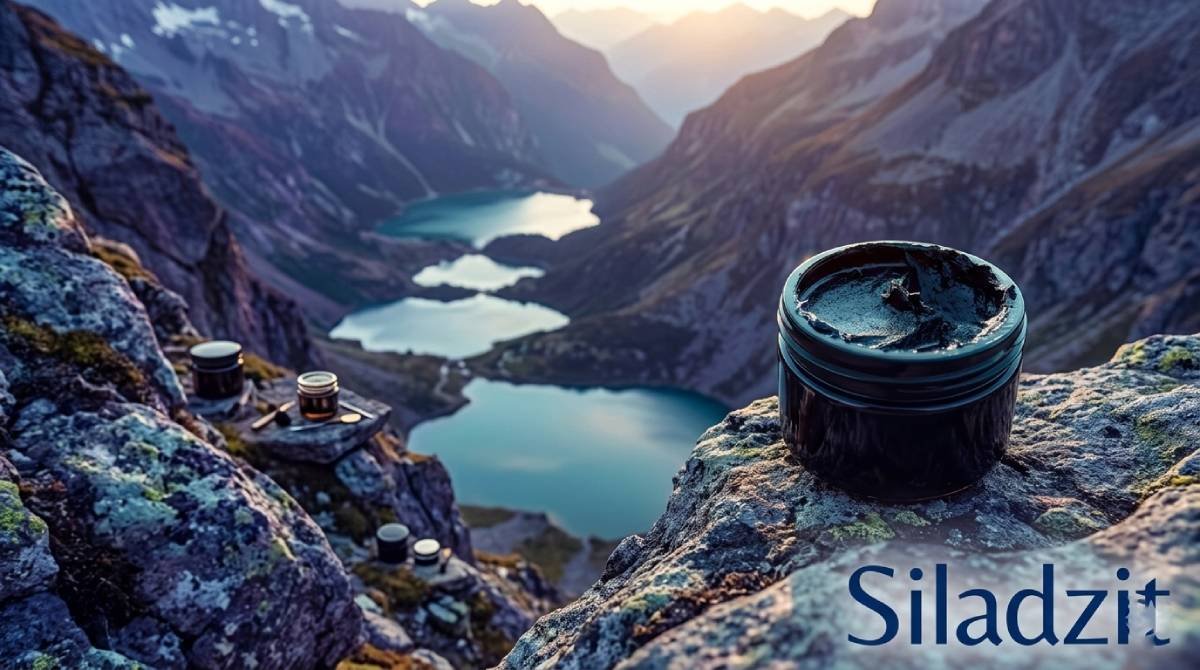
Siladzit is widely understood to be another name or spelling variation of Shilajit, a naturally occurring organic-mineral substance found in high mountain ranges such as the Himalayas. It forms when plant material decomposes and compresses within rocks over long periods, eventually turning into a sticky, tar-like resin that seeps out during warm weather.
This material is typically dark brown or black and contains a mixture of minerals, organic compounds, and bioactive substances. Historically, it has been used in traditional systems of wellness for its perceived restorative properties.
Will You Check This Article: Munchkin Caterpillar: Tiny Creature with Big Charm
Basic Information About Siladzit
| Feature | Description |
|---|---|
| Type | Natural mineral-organic resin |
| Origin | Mountain rock formations |
| Color | Dark brown to black |
| Texture | Sticky or resin-like |
| Traditional Use | General wellness support |
| Common Forms | Powder, resin, capsules |
Siladzit’s natural origin and complex composition make it unique among supplements. Unlike synthetic products, it develops naturally over centuries.
How Siladzit Forms in Nature
Siladzit forms through a fascinating geological and biological process. Over thousands of years, plant matter becomes trapped between layers of rock in mountainous regions. Pressure, heat, and microbial activity gradually break down this organic material.
Eventually, the decomposed material mixes with minerals and forms a dense, nutrient-rich substance. During warm seasons, this material softens and slowly seeps out of cracks in the rocks as a thick resin.
This long formation process explains why Siladzit is relatively rare and valued. Each deposit may vary slightly depending on the local environment, mineral content, and plant sources.
Composition of Siladzit
One of the most interesting aspects of Siladzit is its chemical complexity. It contains a combination of organic and inorganic substances that contribute to its unique properties.
Researchers have identified several key components:
- Fulvic acid
- Humic substances
- Minerals
- Amino acids
- Antioxidant compounds
Fulvic acid is often considered the most important component because it helps transport nutrients and minerals within the body.
Key Components in Siladzit
| Component | Role |
|---|---|
| Fulvic acid | Helps nutrient absorption |
| Humic acid | Supports mineral balance |
| Minerals | Provide trace nutrients |
| Antioxidants | Help protect cells |
| Organic compounds | Support metabolic functions |
Because of this composition, Siladzit is often described as a natural mineral complex rather than a single compound.
Traditional Uses of Siladzit
Siladzit has been used for thousands of years in traditional wellness practices. Historical texts describe it as a substance that supports vitality and overall strength.
Traditionally, it has been used for:
- Supporting energy levels
- Enhancing endurance
- Promoting recovery
- Supporting general wellness
Ancient practitioners believed that Siladzit helped restore balance within the body. While modern science continues to study these claims, its long history of use remains significant.
Modern Uses of Siladzit
Today, Siladzit is commonly available in several forms, making it easier to use than in the past. Modern processing methods purify the raw substance to remove impurities while preserving its natural compounds.
Common Forms
Siladzit is usually sold as:
- Resin
- Powder
- Capsules
- Tablets
Each form has its own advantages. Resin is often considered the most traditional form, while capsules are more convenient for daily use.
Modern users often take Siladzit as part of a daily wellness routine. It’s frequently combined with other natural supplements to support overall health.
Potential Benefits of Siladzit
Many people use Siladzit because of its potential wellness benefits. These benefits are linked to its mineral content and organic compounds.
Energy and Vitality
Siladzit is often associated with increased energy. Some believe its mineral content supports the body’s natural energy processes.
This may explain why it has traditionally been used to combat fatigue and weakness.
Nutrient Support
Because Siladzit contains many trace minerals, it may help support overall nutrition. These minerals play important roles in various bodily functions.
Fulvic acid may also help transport nutrients more efficiently.
Recovery and Strength
Some users report improved recovery after physical activity. This may be related to the mineral and antioxidant content.
Historically, Siladzit has been associated with strength and endurance.
How Siladzit Is Consumed
Siladzit is typically taken in small amounts. The recommended quantity varies depending on the form and concentration.
Powdered Siladzit can be mixed into warm water or drinks. Resin is often dissolved in liquid before consumption.
Capsules are the simplest option, as they require no preparation.
Typical Usage Methods
| Form | How It’s Used |
|---|---|
| Resin | Dissolved in warm water |
| Powder | Mixed into drinks |
| Capsules | Swallowed with water |
| Tablets | Taken like supplements |
Consistency is often considered important when using Siladzit regularly.
Safety and Considerations
While Siladzit is natural, it should still be used responsibly. Not all products are the same, and quality can vary depending on the source.
Purification is especially important because raw Siladzit may contain impurities. Most commercial products undergo cleaning processes before being sold.
It’s also wise to follow recommended amounts rather than taking excessive quantities.
People with medical conditions or those taking medications should consult a professional before use.
Siladzit in Different Regions
Siladzit is found in several mountainous regions around the world. The most well-known deposits come from areas with high altitudes and unique geological conditions.
These regions include:
- Himalayan mountains
- Central Asian ranges
- High-altitude rock formations
Different regions may produce slightly different variations depending on mineral content.
This variation is part of what makes Siladzit unique.
Cultural Significance of Siladzit
Siladzit has cultural importance in many regions. It has been mentioned in traditional texts and passed down through generations.
In some cultures, it is considered a symbol of strength and longevity. Stories often describe it as a gift from the mountains.
This cultural background adds depth to its modern use.
Siladzit vs Other Natural Supplements
Siladzit stands out because of its mineral origin. Many supplements come from plants, but Siladzit forms through geological processes.
Comparison Table
| Feature | Siladzit | Herbal Supplements |
|---|---|---|
| Origin | Mineral-organic | Plant-based |
| Formation | Geological process | Plant growth |
| Minerals | High content | Variable |
| Texture | Resin-like | Powder or leaves |
| History | Ancient use | Ancient use |
This difference gives Siladzit a unique place among natural supplements.
Choosing Quality Siladzit
Not all Siladzit products are the same. Quality depends on sourcing, purification, and processing.
High-quality products usually:
- Come from mountain sources
- Are purified
- Have consistent composition
- Are tested for safety
Checking product information can help ensure better quality.
Conclusion
Siladzit is a fascinating natural substance that bridges ancient tradition and modern wellness. Formed over thousands of years in mountain rocks, it contains a rich blend of minerals and organic compounds that have attracted attention for centuries.
From its traditional uses to its modern forms, Siladzit continues to be valued by people seeking natural ways to support their well-being. Its unique formation process and complex composition set it apart from many other supplements.
For those interested in natural wellness, Siladzit offers a connection to both nature and history. With proper use and quality sourcing, it can be a meaningful addition to a balanced lifestyle.
Read More: Pointmagazine.co.uk
Introduction
The Munchkin Caterpillar is a charming and fascinating term that sparks curiosity among nature lovers, parents, and hobbyists alike. Whether described as a tiny garden creature, a playful toy, or even a creative nickname, the Munchkin Caterpillar represents the delightful world of small crawling life forms that capture our imagination. The phrase often refers to a cute, plump caterpillar with bright colors and a compact body, resembling a miniature version of the larvae we commonly see in gardens and forests.
Many people encounter the Munchkin Caterpillar while exploring gardens, shopping for children’s toys, or reading about insect life cycles. Despite its widespread use, the name doesn’t belong to a single scientific species. Instead, it’s a descriptive or creative term used for small, adorable caterpillars or caterpillar-themed products.
In this comprehensive guide, you’ll discover everything about the Munchkin Caterpillar — from its meaning and appearance to its role in nature and its connection to toys and education. By the end, you’ll understand why this tiny creature has earned such a lovable name and why it continues to fascinate people of all ages.
Overview of the Munchkin Caterpillar
| Feature | Details |
|---|---|
| Name | Munchkin Caterpillar |
| Type | Descriptive or creative term |
| Size | Typically 1–2 inches (if referring to real caterpillars) |
| Habitat | Gardens, forests, and meadows |
| Diet | Leaves and plant material |
| Symbolism | Growth and transformation |
| Usage | Nature, toys, and storytelling |
The Munchkin Caterpillar is often described as small, colorful, and plump. Its name comes from the word “munchkin,” which commonly refers to something tiny and adorable. The term is widely used in both educational and creative settings.
Will You Check This Article: 185.63.263.20: Meaning, Uses, and IP Address Insights
What Is a Munchkin Caterpillar?
The term Munchkin Caterpillar can have several meanings depending on context. In some cases, it describes a real caterpillar with a short, rounded body and vibrant colors. In other situations, it may refer to toys or fictional characters designed to resemble cute caterpillars.
Unlike scientific insect names, this label is informal. It’s often used by teachers, parents, and hobbyists who want to make learning about insects more fun and engaging. The name itself evokes friendliness and curiosity, making it especially appealing to children.
Why the Name “Munchkin” Fits
The word “munchkin” usually describes something small and lovable. Caterpillars that are short, chubby, and colorful often receive this nickname because they look gentle and playful rather than intimidating.
For example, a tiny green caterpillar crawling across a leaf might easily be called a munchkin because of its miniature size and slow movement.
Physical Characteristics of a Munchkin Caterpillar
Size and Shape
Most caterpillars described as Munchkin Caterpillars are small and compact. They typically measure between one and two inches long, making them easy to observe but not overwhelming.
Their bodies are soft and segmented, allowing them to move smoothly across leaves and branches. This segmented structure gives them their signature wiggling motion.
Colors and Patterns
Munchkin Caterpillars are often associated with bright and cheerful colors. Many are green, yellow, or patterned with darker stripes or spots. These colors help them blend into their surroundings and avoid predators.
Some may even have fuzzy hairs or tiny spikes that make them appear extra cute while also providing protection.
Movement Style
One of the most fascinating traits of these caterpillars is how they move. They use tiny legs called prolegs to grip leaves and stems securely.
Their movement is slow but steady, making them perfect subjects for observation and learning.
Habitat and Natural Environment
Where They Live
A typical Munchkin Caterpillar can be found in places where plants grow abundantly. Gardens, forests, and meadows provide ideal environments because they offer both food and shelter.
These caterpillars often stay on the undersides of leaves during the day to stay hidden from predators.
Favorite Plants
Caterpillars feed primarily on leaves. Each species has its own preferred plants, but most enjoy soft, fresh foliage.
Healthy plant life often means healthy caterpillar populations. Their presence can be a sign of a thriving ecosystem.
Seasonal Activity
Munchkin Caterpillars usually appear during warmer months. Spring and summer provide the best conditions for growth and development.
During these seasons, they eat continuously to prepare for the next stage of their life cycle.
The Life Cycle of a Munchkin Caterpillar
The life cycle of a Munchkin Caterpillar follows the same pattern as most caterpillars. This transformation is one of the most fascinating processes in nature.
Egg Stage
The journey begins when a butterfly or moth lays eggs on a leaf. These eggs are tiny and often difficult to spot.
After a short time, the eggs hatch into baby caterpillars.
Caterpillar Stage
This is the stage most people recognize as the Munchkin Caterpillar. During this time, the caterpillar eats constantly and grows rapidly.
Its main goal is to store enough energy for transformation.
Pupa Stage
Once fully grown, the caterpillar forms a protective casing called a chrysalis or cocoon.
Inside this structure, a remarkable transformation takes place.
Adult Stage
Eventually, the caterpillar emerges as a butterfly or moth. This transformation symbolizes growth and renewal.
Many people find this stage especially inspiring because it shows how small beginnings can lead to beautiful outcomes.
Importance in Nature
Role in Ecosystems
Munchkin Caterpillars play an important role in natural ecosystems. They help control plant growth by feeding on leaves and vegetation.
Without caterpillars, some plants might grow unchecked, disrupting ecological balance.
Food for Other Animals
Caterpillars are also an important food source for birds and other animals. Their presence supports entire food chains.
This makes them essential for maintaining biodiversity.
Indicators of Environmental Health
A healthy population of caterpillars often indicates a healthy environment.
If caterpillars disappear from an area, it may signal environmental problems.
Munchkin Caterpillar as a Toy and Educational Tool
The Munchkin Caterpillar is also a popular concept in children’s toys. Colorful caterpillar-shaped toys help children learn through play and exploration.
For example, some bath toys allow children to stack and pour water using caterpillar-shaped cups. These toys help develop coordination and creativity.
Educational Benefits
Caterpillar-themed toys can help children learn about:
- Colors and shapes
- Counting and sorting
- Nature and insects
These toys often combine fun and education in a simple way.
Symbolism and Cultural Meaning
Transformation and Growth
The Munchkin Caterpillar often symbolizes transformation. Its journey from caterpillar to butterfly represents personal growth and change.
This symbolism appears in stories, classrooms, and art projects.
Patience and Development
Caterpillars remind us that growth takes time. Their slow movement and steady progress make them symbols of patience.
This lesson is especially meaningful for children learning about nature.
Creativity and Imagination
The playful name “Munchkin Caterpillar” encourages imagination. It turns an ordinary insect into a character with personality and charm.
This makes learning about nature more enjoyable.
Munchkin Caterpillar vs Regular Caterpillars
| Feature | Munchkin Caterpillar | Regular Caterpillar |
|---|---|---|
| Name Type | Informal nickname | Scientific classification |
| Appearance | Small and cute | Varies widely |
| Usage | Educational and creative | Biological |
| Symbolism | Strong | Limited |
| Popularity | High among children | General awareness |
The main difference is the name itself. The Munchkin Caterpillar is more about perception and creativity than scientific classification.
Observing a Munchkin Caterpillar Safely
Where to Look
Look on leaves and plant stems in gardens or parks. Caterpillars often hide underneath leaves for protection.
Early morning is often the best time to spot them.
How to Observe
Use gentle observation techniques. Avoid touching unless necessary.
Watching their movement can be both relaxing and educational.
Respecting Nature
Always return caterpillars to their original location after observing them.
This helps protect their natural environment.
Conclusion
The Munchkin Caterpillar is more than just a tiny crawling creature. It represents curiosity, growth, and the wonders of nature in a simple and approachable way. Whether encountered in a garden, a classroom, or a toy store, this charming little caterpillar captures attention and inspires learning.
From its colorful appearance to its incredible transformation into a butterfly or moth, the Munchkin Caterpillar reminds us that even the smallest creatures can have a big impact. It plays an important role in ecosystems, supports wildlife, and helps people connect with nature.
By observing and appreciating these tiny creatures, we gain a deeper understanding of the natural world. The Munchkin Caterpillar teaches patience, curiosity, and respect for life — valuable lessons for people of all ages.
Read More: Pointmagazine.co.uk

Viltnemnda: Local Wildlife Governance in Norway Explained 2026

Cristher: Meaning, Origins, and Modern Significance

Lwedninja: The Rising Concept Shaping Digital Culture

Is Elizabeth Rizzini Still Married? The Truth About Her Relationship Status

Mark McCann Net Worth: The Real Story Behind His Wealth, Business Empire & Success

Andrew Frankel: The Private Billionaire Behind the Spotlight
-

 Law5 days ago
Cnlawblog: A Modern Platform for Legal Knowledge
-

 Tech5 days ago
EO PIS: Complete Guide to Meaning and Uses Today
-

 Celebrity5 days ago
Jon Eicholtz: Life and Legacy of a Real Estate Visionary Icon
-

 Tech5 days ago
Getapkmarkets.com Guide to Apps and Safe Downloads Online
-

 Health & Fitness6 days ago
Gynecube: Smart Innovation in Women’s Health Testing
-

 Celebrity1 week ago
Shirley Kyles: Strength, Faith, and Life Beyond Fame
-

 Celebrity1 week ago
Phyllis Potter: The Life Behind Fred Astaire’s Love
-

 Celebrity5 days ago
Jennifer Misner: Life, Career, and Lasting Influence