
Health & Fitness
Simbramento: Understanding Its Role and Benefits


Simbramento is a concept that has been quietly gaining attention in various professional and personal contexts. While the term may sound unfamiliar to many, its implications are far-reaching, touching everything from organizational efficiency to personal development. Understanding simbramento can help individuals and teams enhance coordination, reduce friction, and achieve better outcomes in complex situations. This article delves into its meaning, practical applications, and why it has become increasingly relevant in today’s fast-paced world.
What Simbramento Really Means
Simbramento, at its core, refers to the harmonization of efforts and processes toward a common goal. It is often used in organizational or systemic contexts where alignment is crucial for efficiency. In simpler terms, it’s about making sure every component of a system works in sync. This synchronization minimizes conflicts and ensures smoother operations, making complex tasks feel more manageable and less overwhelming.
The origin of simbramento is tied to ideas of coordination and structural alignment. Unlike mere cooperation, it emphasizes an active, intentional alignment of roles and actions. It’s not just about working together; it’s about working together in a way that enhances outcomes for everyone involved. Recognizing this distinction helps organizations move beyond fragmented teamwork into truly cohesive performance.
In practice, simbramento can manifest in workflow optimization, project management, or even interpersonal relationships. By fostering shared understanding and mutual accountability, teams can avoid duplication, prevent misunderstandings, and ultimately achieve goals more efficiently. It’s this real-world impact that makes understanding simbramento so valuable.
Will You Check This Article: Onnilaina Explained: How It Works and Why It Matters
The Importance of Alignment in Daily Life
Simbramento is not confined to professional settings; its principles are highly relevant in personal life as well. Aligning personal goals, habits, and priorities ensures that energy is spent productively rather than wasted on conflicting actions. For instance, someone managing multiple responsibilities can apply simbramento by structuring routines that complement rather than compete with one another.
When applied to family dynamics, simbramento helps streamline decision-making and reduces unnecessary tension. Families often face conflicting schedules, responsibilities, or expectations. By intentionally aligning priorities and actions, members can minimize friction and create a more harmonious living environment, reflecting the same efficiency principles found in professional systems.
Even in personal development, simbramento plays a crucial role. Individuals who align their learning, health, and social activities according to a coherent plan tend to experience better results. This alignment fosters consistency, reduces cognitive overload, and encourages sustainable growth, highlighting why the concept is not just theoretical but practically transformative.
Simbramento in Organizational Settings
In business, simbramento is often linked to operational excellence. Organizations that implement aligned processes see smoother workflows, fewer bottlenecks, and enhanced communication across departments. Employees understand their roles in context, which reduces confusion and accelerates task completion. The result is higher productivity and a stronger sense of purpose among team members.
Leadership plays a pivotal role in fostering simbramento within organizations. Managers who clearly articulate goals and align team objectives with the broader mission create a culture of clarity and cooperation. Regular feedback, transparent communication, and collaborative planning further reinforce this alignment, making the organization more resilient to change.
Simbramento also supports strategic initiatives by ensuring that every action contributes to overarching goals. Projects are executed with fewer errors, resources are used efficiently, and teams are able to anticipate challenges proactively. Ultimately, this integrated approach enhances competitive advantage and long-term sustainability.
Enhancing Team Performance Through Simbramento
Teams thrive when members understand not only their individual roles but also how they fit into the larger system. Simbramento encourages this awareness by promoting coordination and shared responsibility. It allows teams to work with purpose, reducing redundancies and preventing the misallocation of effort, which often plagues disjointed groups.
Communication is central to effective simbramento. Teams that openly share progress, challenges, and insights naturally stay aligned. This transparency fosters trust and reduces friction, creating an environment where collaboration becomes intuitive rather than forced. Over time, this approach strengthens cohesion and boosts overall performance.
Moreover, simbramento empowers teams to adapt dynamically. When everyone understands the shared objectives, adjustments can be made without disrupting the overall flow. Flexibility combined with alignment ensures that teams remain resilient in the face of unforeseen obstacles, achieving results that would be difficult under a fragmented system.
Practical Applications in Project Management
Project managers can leverage simbramento to streamline complex initiatives. By mapping out roles, responsibilities, and dependencies early on, teams can work efficiently without confusion. This proactive alignment reduces the likelihood of missed deadlines, overlapping tasks, or miscommunication, which are common project pitfalls.
Resource allocation also benefits from simbramento. Understanding the full scope of tasks and their interconnections helps managers assign time, personnel, and tools more effectively. This ensures that resources are neither overextended nor underutilized, contributing to smoother project execution and better results overall.
Additionally, monitoring and evaluation become more effective when simbramento is applied. Aligned systems make it easier to track progress, identify bottlenecks, and implement corrective measures without disrupting the entire workflow. The clarity provided by this alignment creates an environment where continuous improvement is natural and sustainable.
Challenges in Implementing Simbramento
While simbramento offers significant benefits, it is not without challenges. Achieving true alignment requires commitment, patience, and effective communication. Teams may resist change, or individuals may prioritize personal agendas over collective goals, undermining the harmonization process.
Cultural factors can also complicate simbramento. In organizations with rigid hierarchies or poor communication habits, alignment may be slow to develop. Overcoming these barriers requires strong leadership, clear incentives, and consistent reinforcement of aligned behaviors to embed simbramento into the organizational culture.
Another challenge is maintaining alignment over time. As projects evolve or personal circumstances change, misalignment can creep in. Regular reassessment, adaptive planning, and open dialogue are essential to sustaining simbramento. This ongoing effort ensures that initial progress is not lost and the benefits of alignment remain consistent.
Tools and Techniques to Foster Alignment
Several tools can help implement simbramento effectively. Project management software, communication platforms, and workflow visualization tools provide clarity on roles, deadlines, and dependencies. These tools serve as a roadmap, allowing teams and individuals to stay coordinated and proactive.
Techniques such as regular check-ins, alignment meetings, and performance reviews also promote simbramento. These practices reinforce shared objectives, clarify expectations, and provide opportunities to address potential misalignments before they escalate into problems. Consistency in these practices is key to long-term success.
Additionally, fostering a culture of accountability supports simbramento. Encouraging individuals to take ownership of their responsibilities while staying aware of the collective impact ensures that alignment is not just procedural but ingrained in behavior. This combination of tools, techniques, and culture solidifies the practice of simbramento across contexts.
Conclusion
Simbramento is more than a concept; it is a practical approach to harmonizing actions and achieving better results in both personal and professional life. By fostering alignment, clear communication, and shared responsibility, individuals and organizations can unlock higher efficiency, reduce friction, and enhance overall outcomes. Understanding and applying simbramento offers a path toward smoother operations and more meaningful collaboration, making it an invaluable principle in today’s complex world.
Read More: Dollartimes.co.uk
Introduction
Language is full of unusual and fascinating words, and Dentiloquent is one of those rare terms that sparks curiosity the moment you hear it. Dentiloquent describes a manner of speaking in which words are pronounced with the teeth nearly closed or clenched, producing a tight, controlled sound. While it may seem like an obscure linguistic term, dentiloquent speech appears in everyday situations—from actors delivering tense dialogue to people speaking through discomfort or emotion.
Understanding Dentiloquent speech opens a window into how humans communicate not just with words but with subtle physical cues. The way we move our mouths, clench our jaws, or control our breath can dramatically change how our speech sounds and how others interpret it. This article explores the meaning, history, practical uses, and cultural significance of Dentiloquent expression. By the end, you’ll understand how this unusual term connects to language, emotion, performance, and even daily conversation.
What Does Dentiloquent Mean?
Dentiloquent refers to speaking with the teeth partially closed, often producing a tight or restrained sound. The word comes from Latin roots: dens meaning “tooth” and loqui meaning “to speak.” Together, they form a term that literally means “speaking through the teeth.”
In practical terms, dentiloquent speech often sounds tense or controlled. Imagine someone whispering angrily while keeping their jaw clenched, or an actor delivering a dramatic line with barely parted lips. That restrained articulation creates a distinctive tone that listeners often associate with suppressed emotion or seriousness.
Dentiloquent speech isn’t necessarily intentional. Sometimes it happens naturally when a person feels cold, nervous, or physically tense. At other times, it’s used deliberately for dramatic or expressive effect.
Will You Check This Article: Erothtos: Meaning, Origins, and Modern Interpretations
The Origins and History of Dentiloquent Speech
The idea behind Dentiloquent speech dates back centuries, even if the word itself is relatively rare. Early scholars of rhetoric and pronunciation often described how physical articulation affected speech sounds. They noticed that the positioning of the lips, tongue, and teeth could change both clarity and emotional tone.
In classical rhetoric, controlled speech was often associated with discipline and authority. Speakers who maintained tight control over their articulation were sometimes seen as serious or composed. Dentiloquent speech fit into this idea because it required careful jaw control.
Later, actors and performers began using dentiloquent techniques to portray specific emotions. Speaking through clenched teeth became a way to show anger, determination, or suppressed frustration without explicitly stating those feelings.
Characteristics of Dentiloquent Speech
Physical Features of Dentiloquent Speaking
Dentiloquent speech is primarily defined by physical articulation. The teeth remain close together, and the jaw moves less than it normally would during relaxed speech. This restricted movement changes how air flows through the mouth and affects pronunciation.
Because the teeth limit movement, certain sounds may become softer or more compressed. Words may sound tighter or slightly muffled compared to normal speech. This effect is subtle but noticeable to attentive listeners.
The physical tension involved in dentiloquent speaking can also affect facial expression. The jaw may appear rigid, and the lips may move less than usual. These visual cues reinforce the emotional tone of the speech.
Emotional Associations
Dentiloquent speech often carries emotional meaning. People frequently associate it with feelings that are being held back or controlled. For example, someone might speak dentiloquently when they are trying to stay calm despite being angry.
This style of speech can also suggest determination. Athletes, for instance, sometimes speak through clenched teeth when pushing through physical strain. The tight articulation reflects effort and focus.
In dramatic settings, dentiloquent delivery often signals tension. A character who speaks this way may be hiding something or struggling with strong emotions.
Dentiloquent in Everyday Life
Although the term Dentiloquent sounds academic, the phenomenon itself appears in daily life more often than people realize. Many everyday situations naturally produce dentiloquent speech.
When someone feels cold, their teeth may come together involuntarily, changing how they speak. Similarly, people experiencing stress or anxiety may unconsciously clench their jaws, resulting in a dentiloquent tone.
Dentiloquent speech also appears in quiet conversations. When someone tries to speak softly without fully opening their mouth, their words may take on a dentiloquent quality. This often happens in libraries, meetings, or other quiet environments.
In some cases, dentiloquent speech is simply a habit. Certain individuals naturally speak with limited jaw movement, giving their voices a consistently tight sound.
Dentiloquent in Acting and Performance
Actors often use Dentiloquent speech as a tool for expressing emotion. Because it conveys tension and restraint, it’s particularly effective in dramatic scenes.
A character who is angry but trying to remain calm might deliver lines dentiloquently. The clenched teeth suggest that emotions are being held back, adding depth to the performance.
Similarly, characters experiencing fear or determination may speak dentiloquently. The restricted articulation reflects their internal struggle and heightens the emotional impact of their words.
Voice actors also use dentiloquent techniques to create distinct character voices. By adjusting jaw tension and articulation, they can produce a wide range of vocal styles.
Dentiloquent in Communication and Psychology
Speech patterns often reveal emotional states, and dentiloquent speech is no exception. Psychologists sometimes study how physical tension affects communication, including how jaw clenching influences speech.
When people feel stressed, their muscles naturally tighten. This tension can extend to the jaw, producing dentiloquent speech without conscious effort. Listeners may interpret this as a sign of discomfort or anxiety.
In interpersonal communication, dentiloquent speech can send subtle signals. A person speaking through clenched teeth might appear frustrated or impatient, even if their words are polite. This mismatch between tone and content can influence how messages are received.
Understanding dentiloquent patterns can improve communication by helping people recognize these subtle cues. Awareness allows speakers to adjust their articulation and listeners to interpret tone more accurately.
Common Situations Where Dentiloquent Speech Appears
Dentiloquent speech tends to emerge in specific contexts where physical or emotional tension is present. These situations often involve some degree of restraint or control.
Some examples include:
- Speaking while angry but trying to stay composed
- Talking in cold weather with clenched teeth
- Whispering with minimal mouth movement
- Expressing determination during effort
These scenarios illustrate how Dentiloquent speech connects physical conditions with emotional expression.
Comparison With Other Speech Styles
Different speech styles involve distinct physical and emotional qualities. Dentiloquent speech stands out because of its tight articulation and restrained sound.
| Speech Style | Jaw Movement | Emotional Tone | Clarity |
|---|---|---|---|
| Relaxed Speech | Open and natural | Neutral or friendly | High |
| Dentiloquent Speech | Tight and restricted | Tense or controlled | Moderate |
| Whispered Speech | Slightly open | Quiet or secretive | Variable |
| Exaggerated Speech | Wide movement | Dramatic or expressive | High |
This comparison highlights how dentiloquent articulation creates a unique balance between restraint and expression.
Dentiloquent and Body Language
Speech is closely tied to body language, and dentiloquent expression often accompanies specific physical cues. A clenched jaw, tightened lips, or rigid posture can reinforce the tone of dentiloquent speech.
These nonverbal signals often communicate as much as the words themselves. A person speaking dentiloquently may appear tense even if they claim to feel calm. Observers often pick up on these subtle cues instinctively.
Understanding this connection helps explain why dentiloquent speech can feel emotionally charged. The combination of vocal tone and physical tension creates a powerful impression.
Learning to Recognize Dentiloquent Speech
Recognizing Dentiloquent speech involves paying attention to both sound and appearance. The voice often sounds tight or compressed, and the speaker’s jaw may move less than usual.
Listeners may notice that certain sounds seem shortened or less distinct. The overall effect is a sense of restraint, as though the speaker is holding something back.
Training yourself to notice dentiloquent patterns can improve listening skills. It encourages attention to subtle details that reveal emotional context.
Can Dentiloquent Speech Be Intentional?
Dentiloquent speech can be either intentional or unconscious. Some people deliberately use it to convey emotion or create a specific impression. Actors and performers often practice controlling their articulation for this purpose.
At the same time, many instances of dentiloquent speech happen without awareness. Stress, discomfort, or habit can all lead to clenched teeth and restricted articulation.
Because it can be both deliberate and accidental, dentiloquent speech is a flexible and expressive form of communication.
Dentiloquent in Literature and Dialogue
Writers sometimes describe characters as speaking through clenched teeth to convey tension or anger. This description often implies dentiloquent speech, even if the word itself isn’t used.
Such descriptions help readers imagine the emotional tone of a scene. A character who speaks dentiloquently may seem intense, controlled, or deeply affected by events.
This technique adds realism to dialogue by reflecting how people actually speak under pressure. It connects physical action with emotional meaning in a vivid way.
Conclusion
Dentiloquent speech may be an unfamiliar term, but the phenomenon itself is surprisingly common. By describing speech produced with clenched or nearly closed teeth, Dentiloquent expression highlights the connection between physical articulation and emotional communication.
Throughout daily life, performance, and conversation, dentiloquent patterns reveal tension, control, and subtle emotional cues. Recognizing these patterns can deepen understanding of both spoken language and human behavior.
Whether used intentionally for dramatic effect or occurring naturally in moments of stress, Dentiloquent speech reminds us that communication involves more than words alone. The way we speak—our tone, posture, and articulation—shapes how our messages are understood.
By paying attention to these details, anyone can become a more aware speaker and listener. Dentiloquent speech is just one example of how rich and expressive human communication can be.
Read More: Dollartimes.co.uk
Introduction
In recent years, Provascin has gained attention among people looking for ways to support heart health and circulation naturally. Whether discussed in wellness communities or sold as a dietary supplement, Provascin is often associated with cardiovascular support, improved blood flow, and better overall vitality. Many individuals turn to such supplements to complement a healthy lifestyle, especially when they want to maintain energy and long-term wellness.
This article explores Provascin in depth—what it is, how it works, its ingredients, potential benefits, and safety considerations. You’ll also learn how it compares to medications, how people typically use it, and what to consider before adding it to your routine. By the end, you’ll have a clear and practical understanding of whether Provascin might fit into your health plan.
What Is Provascin?
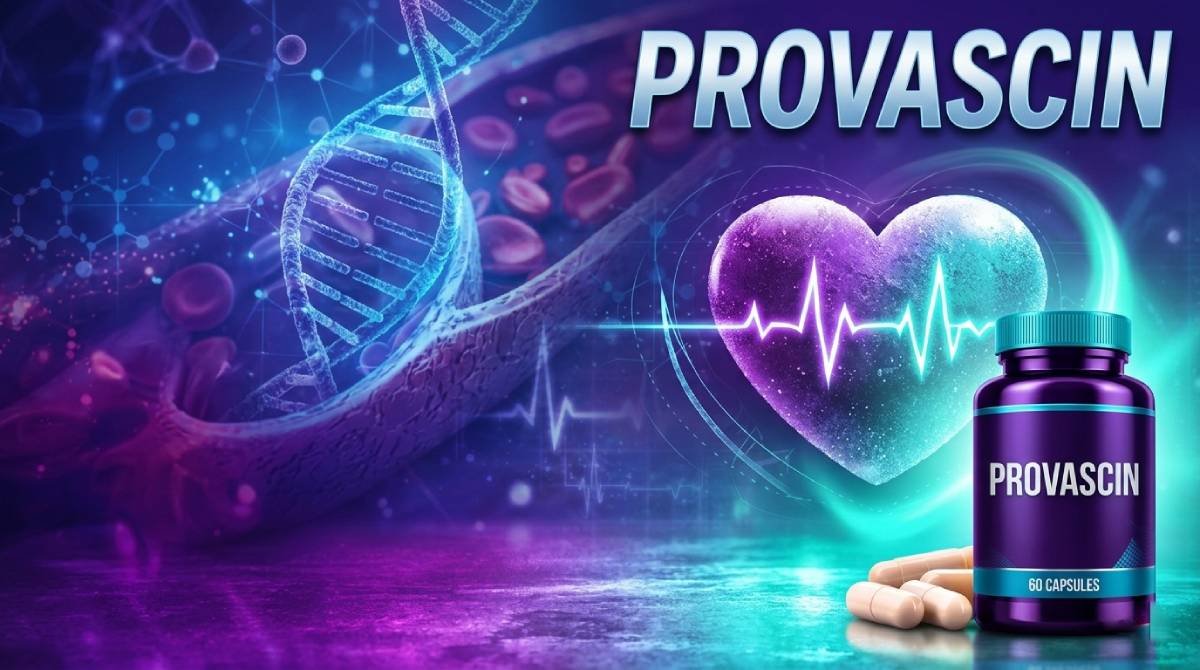
Provascin is generally described as a cardiovascular support supplement designed to help maintain healthy circulation and heart function. Unlike prescription medications, it is usually marketed as a nutritional formula containing plant extracts, amino acids, antioxidants, and micronutrients.
The name “Provascin” does not always refer to a single standardized product. Instead, it can describe a range of supplements formulated with similar goals: supporting blood vessels, improving circulation, and maintaining balanced cholesterol levels.
These supplements are commonly used by adults who want additional support alongside healthy habits like exercise, balanced nutrition, and stress management. Many users see them as part of a long-term wellness routine rather than a quick fix.
Will You Check This Article: Siladzit: Ancient Mineral Resin With Modern Wellness Uses
Quick Overview Table
| Feature | Details |
|---|---|
| Product Type | Dietary supplement |
| Main Purpose | Cardiovascular support |
| Common Forms | Capsules or tablets |
| Typical Users | Adults focused on heart health |
| Key Components | Antioxidants, amino acids, plant extracts |
| Prescription Required | Usually no |
How Provascin Works in the Body
Provascin supplements typically aim to support cardiovascular health through multiple pathways. Rather than targeting a single function, they often combine ingredients that work together to improve circulation and cellular energy.
Many formulations include antioxidants that help protect blood vessels from oxidative stress. These compounds support the integrity of arterial walls and may contribute to smoother blood flow.
Another key mechanism involves supporting nitric oxide production, which helps blood vessels relax and expand. This process improves circulation and allows oxygen and nutrients to reach tissues more efficiently.
Some ingredients also assist with cellular energy production. Since the heart requires a constant supply of energy, these nutrients help maintain consistent performance and endurance.
Key Ingredients in Provascin
The ingredients in Provascin vary by brand, but most formulas share similar categories of nutrients. These components are selected for their supportive roles in cardiovascular health.
Common Active Compounds
Many Provascin products include amino acids, plant extracts, and antioxidants that work together to support circulation and heart function.
For example, L-arginine is frequently used to promote blood vessel flexibility by increasing nitric oxide production. Coenzyme Q10 is another common ingredient that helps cells produce energy and supports heart muscle function.
Plant extracts such as hawthorn berry are often included because they have traditionally been used to support healthy blood pressure and circulation.
Ingredient Comparison Table
| Ingredient | Function | Potential Benefit |
|---|---|---|
| L-Arginine | Nitric oxide support | Improved circulation |
| CoQ10 | Cellular energy | Heart support |
| Hawthorn | Plant extract | Blood pressure balance |
| Alpha-lipoic acid | Antioxidant | Vessel protection |
| Green tea extract | Polyphenols | Oxidative defense |
These ingredients are typically combined to create a synergistic effect, meaning each one enhances the benefits of the others.
Potential Benefits of Provascin
Many people take Provascin as part of a general wellness routine. While individual results vary, several potential benefits are commonly associated with its use.
Cardiovascular Support
One of the primary reasons people choose Provascin is to support heart health. The ingredients often help maintain healthy circulation and protect blood vessels from damage.
Good circulation allows oxygen and nutrients to travel efficiently throughout the body. This supports not only the heart but also muscles and organs.
Energy and Vitality
Because some ingredients help produce cellular energy, users often report improved stamina and reduced fatigue. This can be especially helpful for people who feel tired during daily activities.
Circulation Improvement
Improved circulation can help reduce discomfort associated with poor blood flow. Some people notice warmer hands and feet or less heaviness in the legs.
Antioxidant Protection
Antioxidants help protect the body from free radicals, which can damage cells over time. This protection may contribute to long-term cardiovascular health.
Provascin vs. Prescription Medications
It’s important to understand that Provascin is not the same as prescription heart medications. Supplements are designed to support normal body functions rather than treat medical conditions.
Prescription medications often target specific biological pathways. Supplements, on the other hand, usually provide nutritional support that complements healthy habits.
For example, a doctor might prescribe medication to lower cholesterol, while a supplement might focus on supporting overall cardiovascular balance.
This difference means that supplements should never replace medical treatment without professional guidance.
Who Might Use Provascin?
Different groups of people may consider Provascin for various reasons. It is most commonly used by adults who want to maintain long-term health.
Health-Conscious Adults
People who prioritize wellness often use supplements as part of their daily routines. They may combine them with exercise and balanced diets.
Aging Individuals
As people age, circulation and energy levels can decline. Some individuals use Provascin to help maintain vitality and cardiovascular function.
Active Individuals
Athletes and physically active people sometimes use supplements to support endurance and recovery.
How to Take Provascin
Most Provascin products come in capsule or tablet form. The recommended dosage varies depending on the brand and formulation.
Many products suggest taking capsules once or twice daily with meals. This helps the body absorb the nutrients more effectively.
Consistency is important. Supplements usually work best when taken regularly over time.
Drinking enough water and maintaining a balanced diet can also enhance results.
Safety and Considerations
Although Provascin is often marketed as natural, that doesn’t automatically mean it’s suitable for everyone. Some ingredients may interact with medications or existing conditions.
People taking heart medications should consult a healthcare provider before starting any supplement. This helps prevent unwanted interactions.
Pregnant or breastfeeding individuals should also seek professional advice before using supplements.
Side effects are generally mild when they occur. Some users may experience digestive discomfort or mild headaches, depending on the formulation.
Lifestyle Tips to Maximize Benefits
Supplements work best when combined with healthy habits. Provascin is no exception.
Regular exercise helps strengthen the heart and improve circulation. Even simple activities like walking can make a difference.
Eating a balanced diet rich in fruits, vegetables, and whole grains supports cardiovascular health.
Managing stress is also important. Chronic stress can negatively affect heart function over time.
Sleep plays a critical role as well. Rest allows the body to repair and maintain itself.
Real-Life Example
Consider someone who works a desk job and feels tired by the end of the day. They start exercising regularly and add a cardiovascular supplement to their routine.
Over time, they may notice improved stamina and better overall energy. While the supplement alone isn’t responsible for the improvement, it may support the broader lifestyle changes.
This example shows how supplements are often most effective as part of a larger health plan.
Conclusion
Provascin is commonly used as a cardiovascular support supplement designed to promote circulation, energy, and overall heart wellness. With ingredients like antioxidants, amino acids, and plant extracts, it aims to support the body’s natural functions rather than replace medical treatment.
Understanding how Provascin works helps people make informed decisions about their health. While it may offer supportive benefits, it is most effective when combined with healthy habits such as exercise, balanced nutrition, and proper rest.
Anyone considering Provascin should approach it thoughtfully and, when necessary, seek professional advice. With the right approach, supplements like Provascin can become a helpful part of a long-term wellness routine.
Read More: Pointmagazine.co.uk
Introduction
Women’s health technology has evolved rapidly in recent years, bringing faster and more accessible diagnostic solutions into clinics and even homes. One innovation gaining attention is Gynecube, a modern diagnostic concept designed to simplify gynecological testing and monitoring. Instead of relying solely on traditional lab workflows or repeated clinic visits, Gynecube aims to combine digital tools, diagnostic imaging, and automated analysis into one streamlined system.
This article explores what Gynecube is, how it works, and why it matters for modern healthcare. You’ll learn about its features, clinical applications, benefits, and limitations, along with its role in the future of reproductive health. Whether you’re a patient curious about new health technology or someone interested in medical innovation, this guide provides a complete overview of Gynecube and its growing significance.
What Is Gynecube?
Gynecube is a modern gynecological diagnostic system designed to support reproductive and women’s health testing. It integrates diagnostic tools, digital monitoring, and automated analysis into a compact platform. The goal is to make gynecological care faster, more accurate, and more accessible for patients and healthcare providers.
Unlike traditional gynecological exams that often require multiple visits and separate lab tests, Gynecube focuses on consolidating processes into a single workflow. This approach reduces waiting times and helps clinicians receive results sooner. According to emerging descriptions of the technology, such systems may combine imaging, biosensors, and automated analysis to detect various gynecological conditions.
Many modern healthcare tools aim to bridge the gap between patients and providers, and Gynecube reflects that trend by supporting digital health integration and faster diagnostics.
Will You Check This Article: Dallas Yocum: The Private Life Behind the Headlines Story II
Gynecube Overview Table
| Feature | Description |
|---|---|
| Device Type | Gynecological diagnostic system |
| Purpose | Women’s health monitoring and testing |
| Key Functions | Imaging, diagnostics, data analysis |
| Use Environment | Clinics or healthcare facilities |
| Benefits | Faster results and streamlined testing |
| Focus Area | Reproductive and gynecological health |
How Gynecube Works
Gynecube typically operates by combining diagnostic inputs with automated processing. Instead of relying entirely on manual examination and laboratory testing, the system collects data and analyzes it digitally. This process allows clinicians to detect patterns or abnormalities more quickly than traditional workflows.
Data Collection and Testing
The system collects clinical information through diagnostic sensors or imaging tools. These tools can measure various biological markers and physical characteristics. For example, some systems can capture information about tissue structure, moisture levels, or cellular changes, which help clinicians understand reproductive health conditions.
After collection, the data is processed digitally. This step transforms raw clinical information into useful insights that doctors can interpret. The goal is to provide clear and actionable results without unnecessary delays.
Automated Analysis
Automated analysis is one of the defining features of Gynecube. Instead of waiting days for lab processing, the system can assist in identifying abnormalities quickly. This speed is particularly valuable when early detection is critical for treatment success.
By automating part of the diagnostic process, healthcare professionals can focus more on patient care and less on administrative tasks. This efficiency is one reason such systems are gaining popularity in modern healthcare environments.
Key Features of Gynecube Technology
Gynecube systems are designed to combine several capabilities into one platform. These features aim to make gynecological care more efficient and patient-friendly.
Real-Time Monitoring
Some Gynecube configurations allow real-time monitoring of reproductive health metrics. This capability helps identify changes or irregularities as they occur rather than after symptoms worsen.
Real-time monitoring can be especially helpful for tracking menstrual cycles, hormonal patterns, or fertility indicators. By observing trends over time, clinicians can provide more personalized care.
Digital Integration
Digital integration allows patient data to be shared securely with healthcare providers. This feature supports remote consultations and faster decision-making.
When healthcare providers can access results quickly, they can recommend treatment sooner. This can improve outcomes and reduce anxiety for patients waiting for answers.
Imaging and Diagnostic Tools
Gynecube systems may include imaging components that help visualize internal structures. High-resolution imaging can assist in identifying abnormalities that might otherwise go unnoticed.
Imaging is particularly useful in gynecology because many conditions develop gradually. Early visualization helps clinicians detect issues before they become serious.
Clinical Applications of Gynecube
Gynecube can support a wide range of gynecological applications. Its versatility makes it useful in different clinical settings.
Routine Health Screening
Routine screening is one of the most common uses of Gynecube. Regular checkups help detect health issues early, even when symptoms are not present.
Early detection is critical in gynecology because many conditions develop silently. Screening tools help identify problems before they become severe.
Fertility Monitoring
Fertility tracking is another important application. By analyzing biological patterns, Gynecube can help identify ovulation cycles and fertility windows.
This information is valuable for individuals trying to conceive. It also helps doctors diagnose fertility-related challenges more accurately.
Disease Detection
Gynecube systems may assist in detecting various gynecological conditions, including:
- Hormonal imbalances
- Infections
- Tissue abnormalities
Some systems can detect structural or cellular changes that indicate early disease development.
Benefits of Using Gynecube
Gynecube offers several advantages over traditional diagnostic methods. These benefits explain why interest in this technology is growing.
Faster Results
One major advantage is speed. Traditional lab tests often take days to produce results. Gynecube can shorten this process significantly.
Faster results mean faster treatment decisions. This improvement can make a meaningful difference in patient care.
Improved Accessibility
Accessibility is another key benefit. Digital integration allows healthcare providers to review results remotely. This capability is especially useful for patients in areas with limited medical resources.
Improved accessibility helps ensure more people receive timely care. It also reduces the need for repeated clinic visits.
Enhanced Patient Comfort
Traditional gynecological exams can be uncomfortable and time-consuming. Gynecube aims to simplify the process and reduce discomfort.
By streamlining testing procedures, patients may experience less stress during appointments. This improvement encourages more consistent health monitoring.
Gynecube vs Traditional Testing
| Aspect | Gynecube | Traditional Testing |
|---|---|---|
| Speed | Faster results | Slower turnaround |
| Visits Required | Fewer visits | Multiple visits |
| Data Access | Digital access | Manual records |
| Monitoring | Continuous possible | Limited tracking |
| Convenience | High | Moderate |
Limitations and Considerations
While Gynecube offers many advantages, it is not without limitations. Understanding these limitations helps set realistic expectations.
Availability
Gynecube technology is still emerging in many regions. Not all healthcare facilities currently offer this type of diagnostic system.
Limited availability means patients may need to rely on traditional testing methods. However, adoption is expected to increase over time.
Cost
Advanced medical technology often comes with higher costs. Gynecube systems may require specialized equipment and training.
These costs can make implementation challenging for smaller clinics. However, long-term efficiency may offset initial expenses.
Clinical Oversight
Even with automated analysis, human oversight remains essential. Doctors must interpret results and recommend treatment.
Technology can assist clinicians, but it cannot replace professional judgment. This balance ensures accurate and safe care.
The Future of Gynecube
The future of Gynecube looks promising as healthcare continues to evolve. Advances in digital health and diagnostics are likely to expand its capabilities.
Future developments may include improved diagnostic accuracy and expanded testing capabilities. These improvements could make gynecological care more proactive rather than reactive.
Healthcare systems around the world are moving toward more personalized care. Gynecube fits into this trend by providing individualized health insights.
As technology advances, systems like Gynecube may become standard tools in women’s health clinics. This shift could transform how gynecological care is delivered.
Conclusion
Gynecube represents an important step forward in modern women’s healthcare. By combining diagnostic tools, digital integration, and automated analysis, it offers a more efficient and patient-friendly approach to gynecological testing.
The system provides faster results, improved accessibility, and enhanced monitoring capabilities. While challenges such as cost and availability remain, the potential benefits are significant.
As healthcare continues to evolve, technologies like Gynecube are likely to play a larger role in routine medical care. Patients and providers alike can benefit from more streamlined and responsive diagnostic solutions.
Understanding how Gynecube works helps individuals make informed decisions about their health. With continued innovation, it may become a key part of the future of women’s healthcare.
Read More: Lumerink.com

Jeremy Yaffe: Life, Family, and Quiet Hollywood Legacy

Juanita Katt: Life, Family Legacy, and Quiet Influence

Lalonne Martinez: Life, Story, and Growing Public Interest

Is Elizabeth Rizzini Still Married? The Truth About Her Relationship Status

Mark McCann Net Worth: The Real Story Behind His Wealth, Business Empire & Success

Andrew Frankel: The Private Billionaire Behind the Spotlight
-

 Celebrity6 days ago
Katy Davis Suffield: Life, Community Impact, and Story
-

 Tech1 week ago
Erothtos: Meaning, Origins, and Modern Interpretations
-

 Tech1 week ago
Afruimwagens: Smart Carts for Efficient Transport Tasks
-

 Entertainment6 days ago
Pelisfulltv: Exploring the Popular Online Movie Platform
-

 Tech1 week ago
Chief Technical Examiner: Roles, Skills, and Career Path
-

 News1 week ago
OpenSkyNews: A Modern Hub for Digital News and Insights
-

 Blog6 days ago
Viltnemnda: Local Wildlife Governance in Norway Explained 2026
-

 Health & Fitness1 week ago
Dentiloquent: Meaning, Origins, and Modern Usage Guide